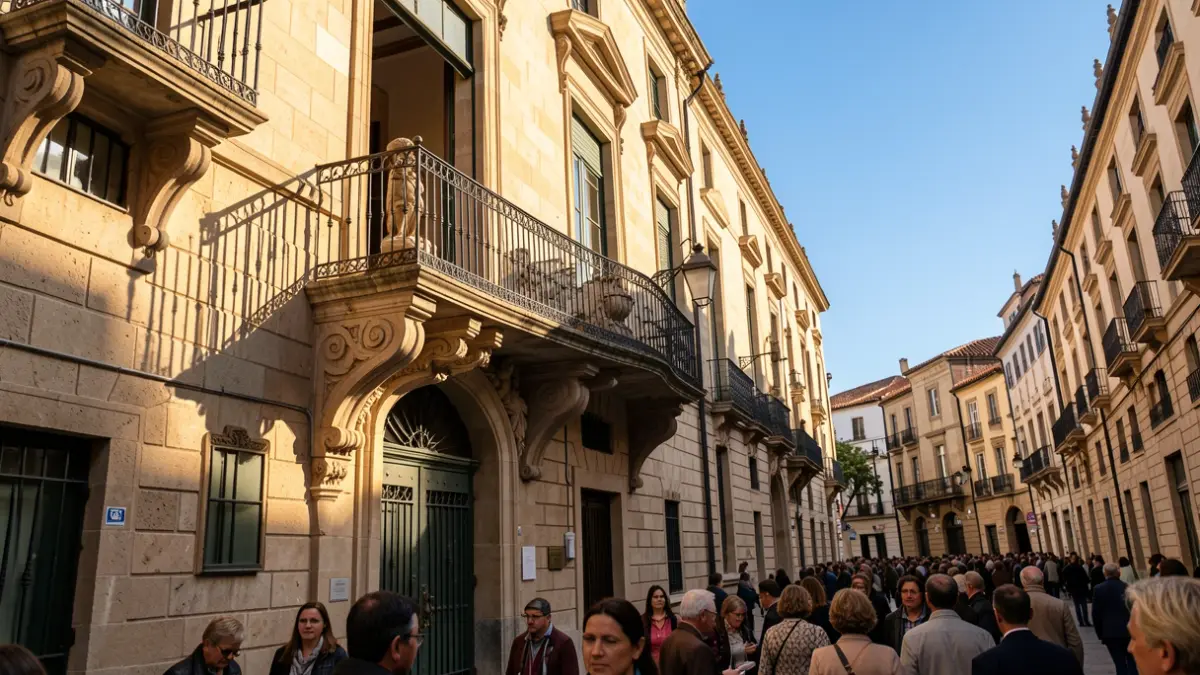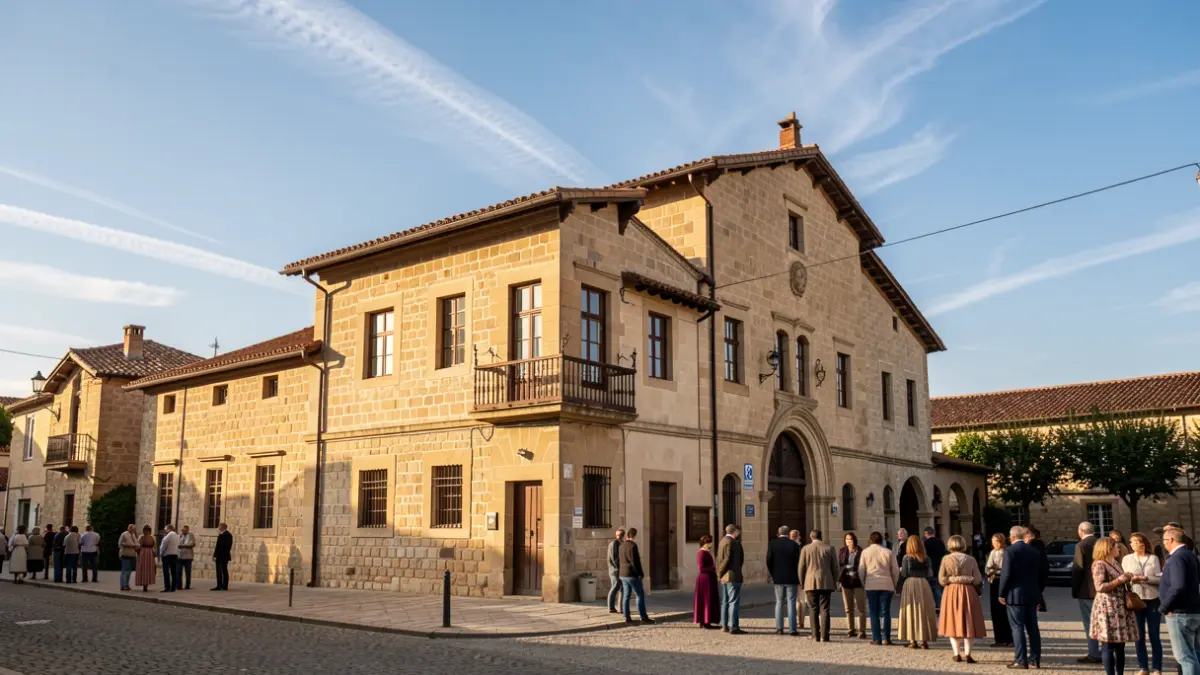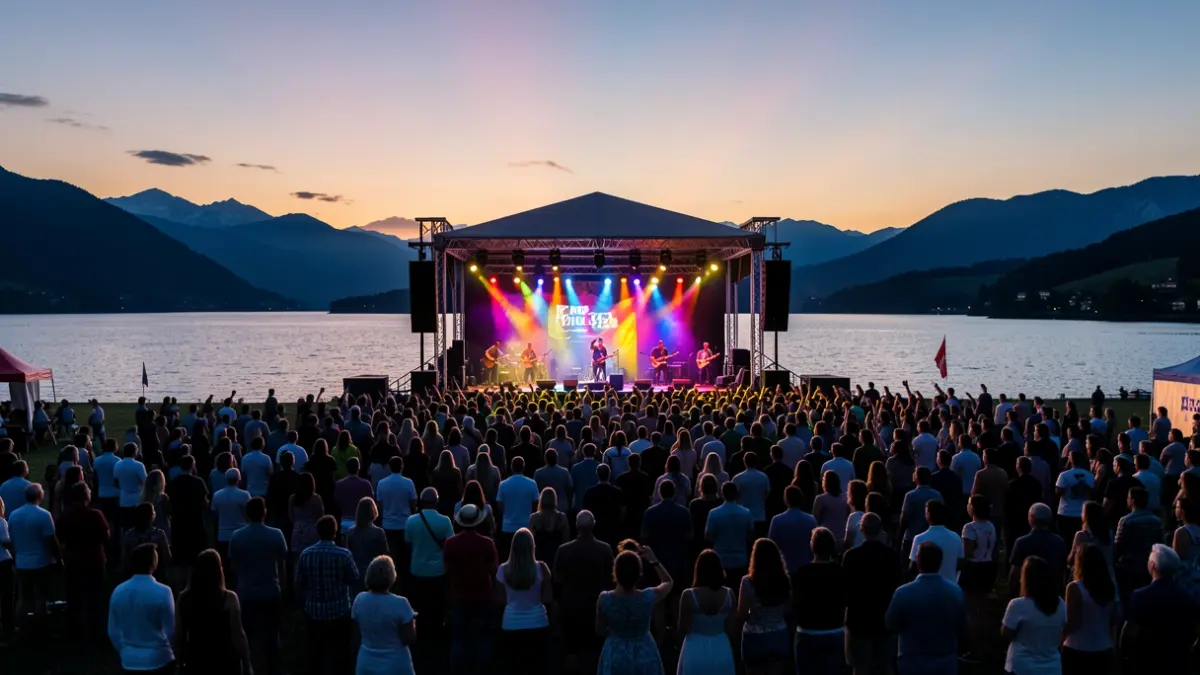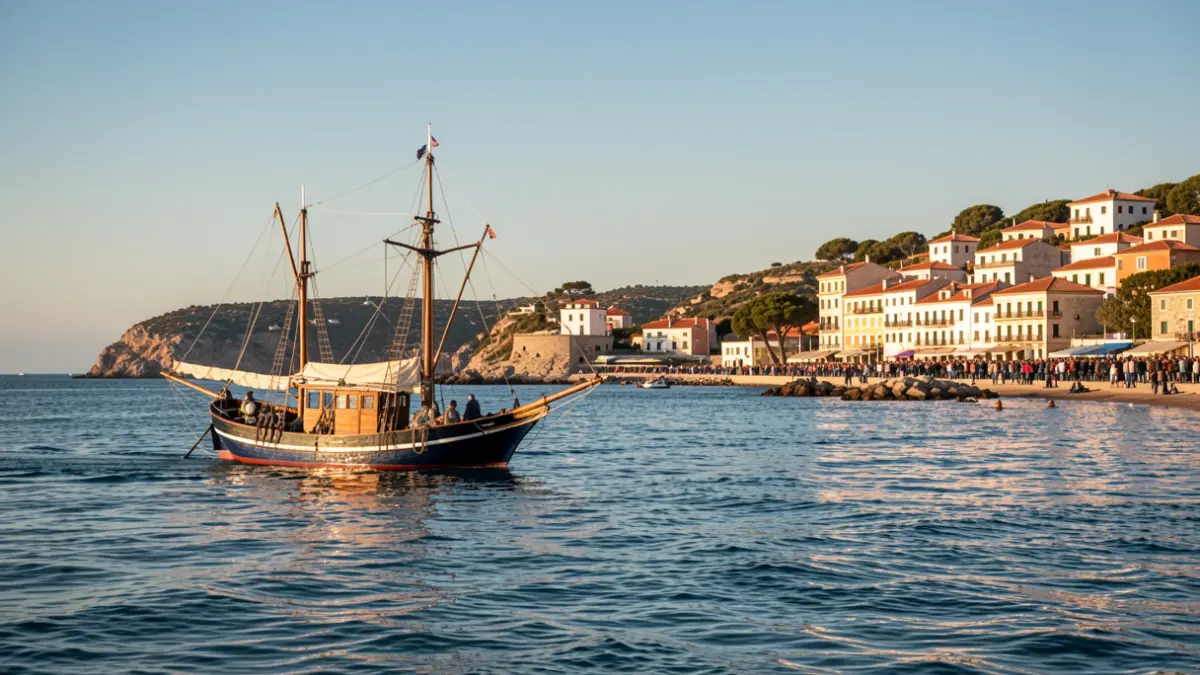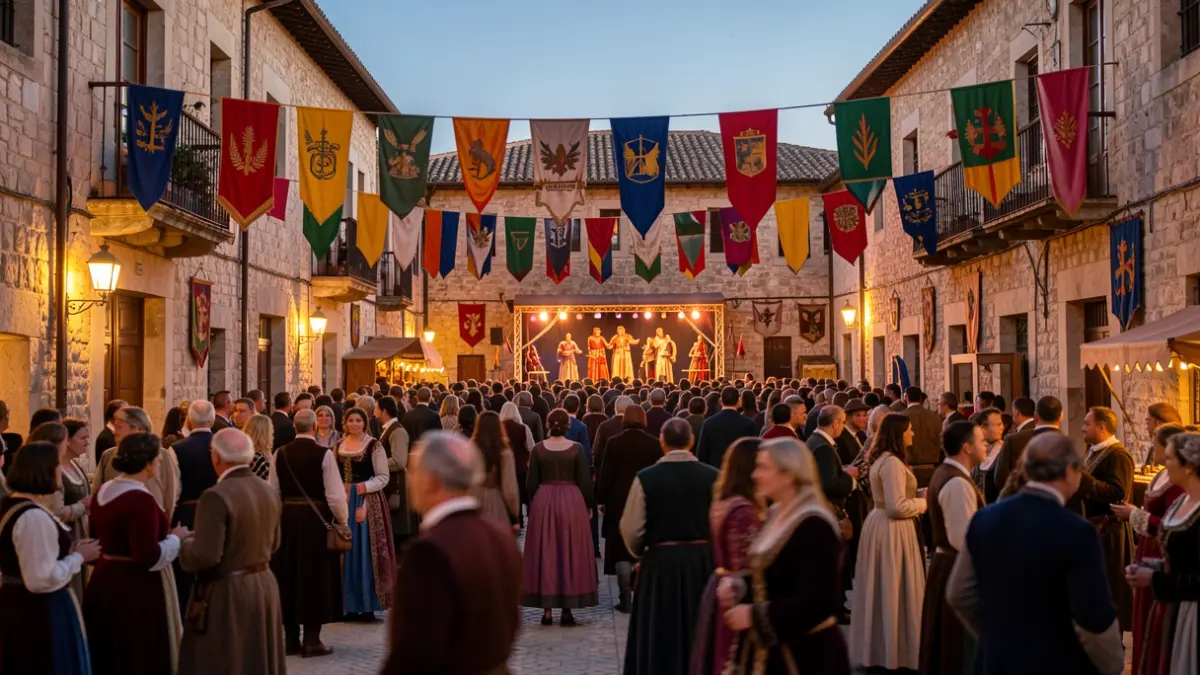
The event saw unprecedented attendance, surpassing the previous year's 55,000 visitors. This surge was evident in full parking lots, increased sales of reusable cups, and greater circulation of medieval currency, all clear indicators of the festival's growth.
For three days, Castelló d'Empúries transformed into Catalonia's medieval capital, offering a diverse program including historical reenactments, music, theater, gastronomy, and family activities. The edition, dedicated to Guillem Escarrer (1266-1321), emphasized local historical research and its translation into large-scale cultural experiences.
A notable highlight was 'El Romanç de Guillem Escarrer,' an original production by Novum Organum, inspired by the research of medievalist Elvis Mallorquí. This performance underscored the potential of combining heritage, artistic creation, and historical dissemination.
Memorable moments included the opening spectacle 'Guillem Escarrer, el retorn més esperat,' the Memorial Fernando Arnau Medieval Tournament, and a concert by the Belgian group Prima Nocta. Other popular attractions featured the fire show 'Palmarius' by Pyronix and numerous itinerant performances that animated the streets.
The festival's international reach was enhanced by the participation of companies from Portugal, France, Belgium, and Estonia, alongside Catalan and other Spanish ensembles. The inclusion of itinerant shows, giant puppets, and educational military-themed activities broadened the festival's appeal.
The involvement of local associations was crucial, with entities playing key roles in the programming and medieval taverns. The Count's Dinner (Sopar Comtal), hosting over 300 guests, and the III Medieval Improvised Song Fair 'El Partiment' were also significant events.
The academic dimension was strengthened through the presentation of the book 'De Castelló d’Empúries al Regne de Nàpols. La trajectòria vital de Guillem Escarrer,' lecture series co-organized with the Centre d’Estudis Trobadorescos and the Universitat de Girona, the podcast Presumptament, and the cross-border project Ruta Catalana dels Trobadors i la Joglaria.
The mayor of Castelló d’Empúries, Anna Massot, emphasized that 'Terra de Trobadors is a community project' and highlighted the success of focusing on historical research and original productions.
The organization is already planning the next edition, aiming to continue the festival's growth while preserving its essence and high standards of historical and cultural quality.