The meeting highlighted key initiatives reinforcing the region's opportunities and public services. Agreements include securing necessary energy capacity for major projects, advancing the new University Hospital, and allocating 11.7 million euros for the new Institut Els Alfacs in La Ràpita.
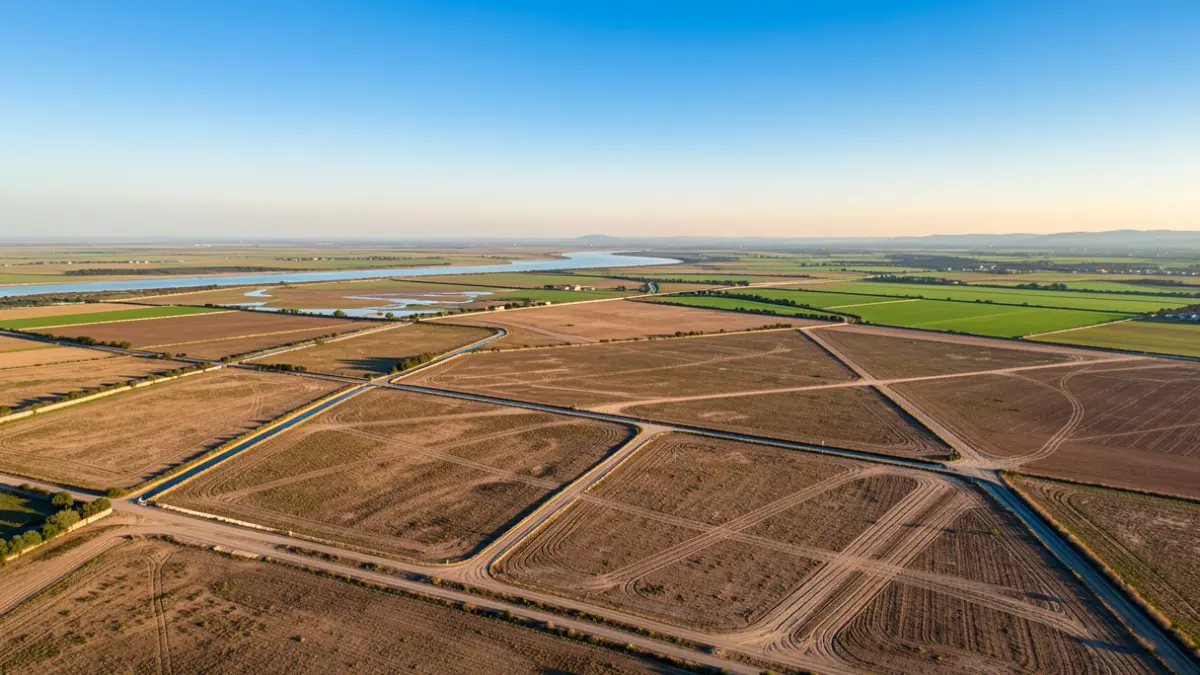
Holding the Council in an emblematic location like les Salines aims to showcase the territory, understand its reality firsthand, and place its needs at the center of governmental action. This initiative seeks to strengthen the Government's presence across the four counties of Terres de l'Ebre.
In the energy sector, the 2030 Electrical Planning includes expanding the els Aubals substation in Ribera d'Ebre to ensure supply for new facilities and major projects like the future AI Gigafactory in Móra la Nova. Expansion is also planned for the green hydrogen network, promoting the energy transition.
The new University Hospital of Terres de l'Ebre has been declared of general interest, facilitating its planning and execution. Designed as an integrated health campus, it will consolidate reference healthcare, teaching, research, and innovation spaces, serving over 190,000 people.
Regarding education, an investment of 11.7 million euros is approved for the new building of Institut Els Alfacs in La Ràpita, currently serving over 700 students. The investment will be rolled out between 2030 and 2032.
This set of actions demonstrates the Government's commitment to Terres de l'Ebre, aiming for greater growth capacity and improved public services, with investments impacting infrastructure, energy, health, and education.