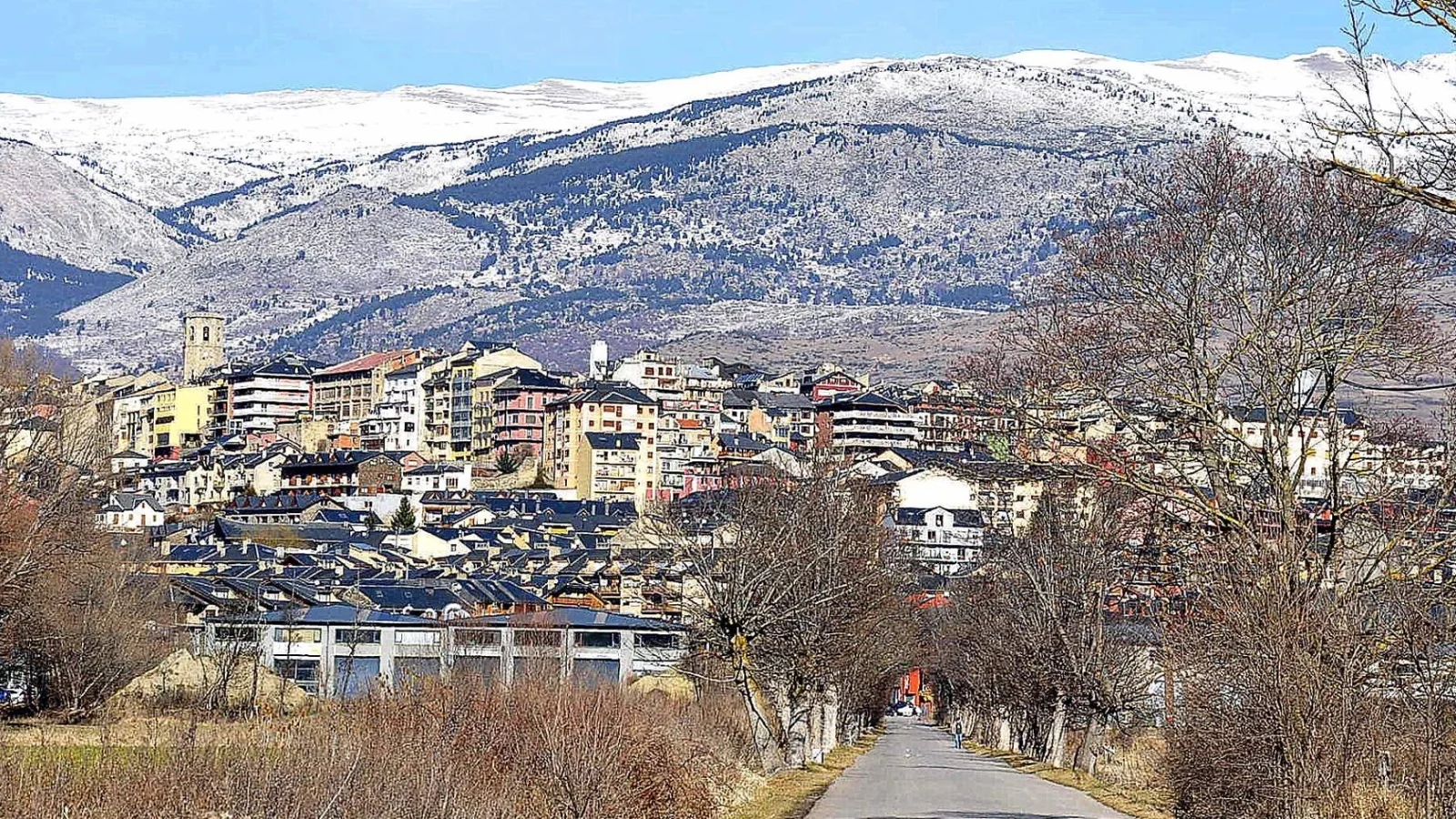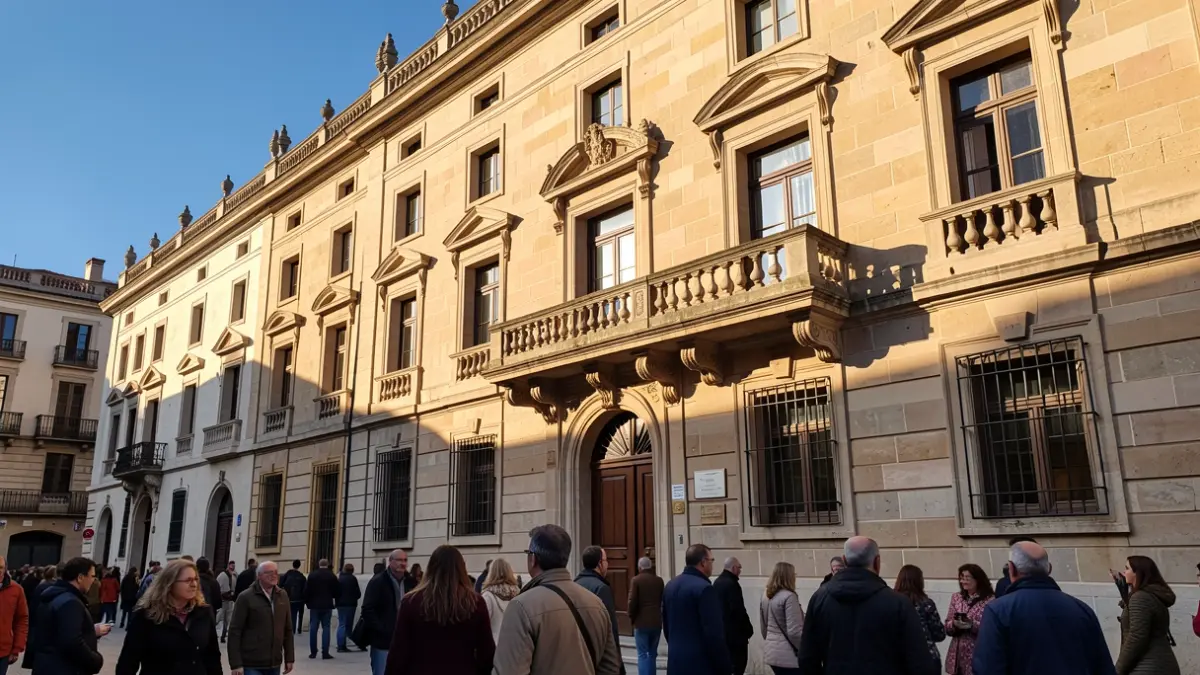
The city of Tortosa hosted a significant gathering of experts focused on the Community Process, a movement aimed at strengthening social cohesion and combating discrimination. The event included sessions at both technical and institutional levels, mobilizing technical teams, social agents, and representatives from local entities and institutions.
During the afternoon session, held in the assembly hall, the mayor Mar Lleixà, accompanied by the Councilor for Community Process, Víctor Grau, highlighted the importance of this initiative. "The Community Process is very important in times like these, because adding multiplies and helps us in our goal of having a more cohesive and discrimination-free city," she stated.
“"Education is key to fighting racism, but it has been shown not to be enough: political, legal, and communication strategies are also needed."
Carlos Giménez Romero, Professor Emeritus of Social and Applied Anthropology at the Autonomous University of Madrid, was a key figure in the sessions. He delivered a presentation on the forms, foundations, and consequences of racism, emphasizing the need for political, legal, and communication strategies beyond education. Giménez Romero recalled his connection to Tortosa as the scientific director of the project that originated the Community Process in the city.
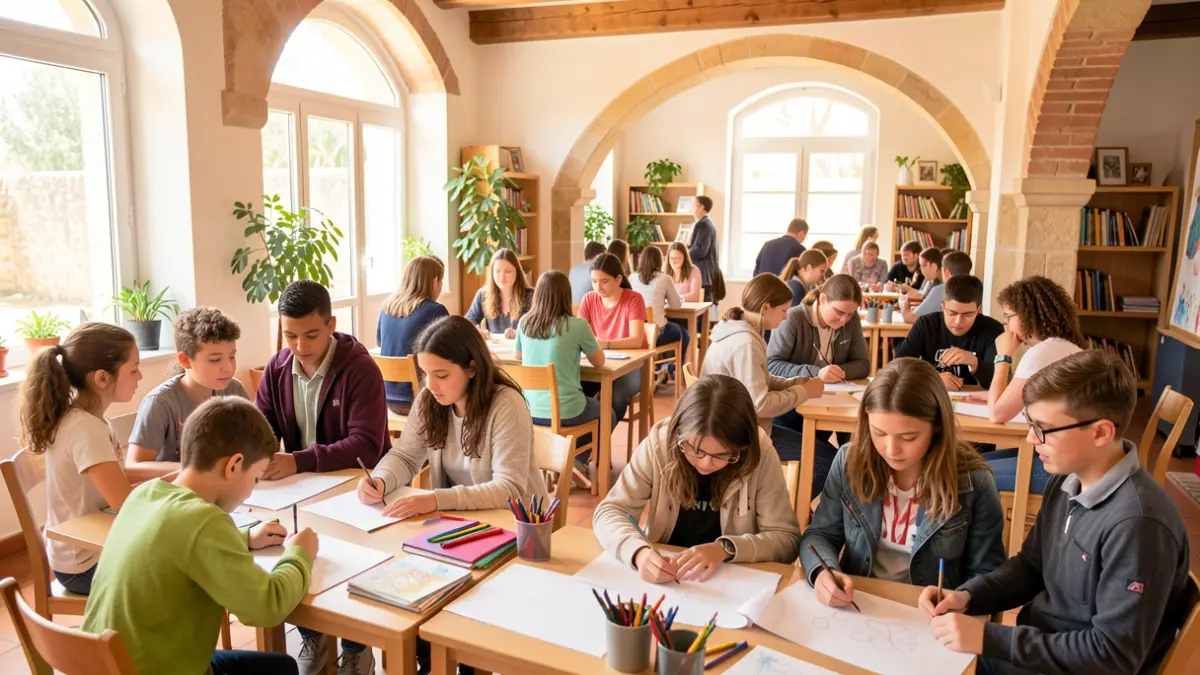
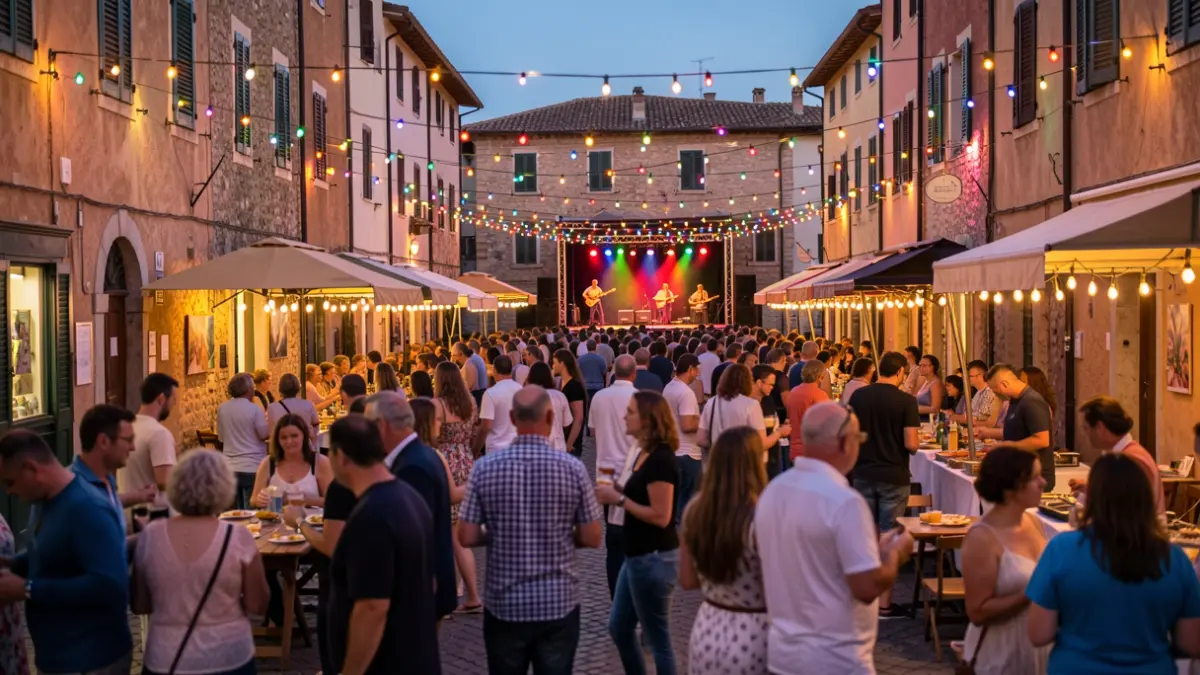
The Community Process of Tortosa, with a trajectory since 2010, is based on citizen participation and social action to promote respect, cohesion, and equality. This network integrates neighbors, local entities, specialists in social, educational, and health services, as well as the municipal administration. Its activities cover areas such as education, housing, public space, community health, and access to employment.
In recent years, nearly twenty companies have joined the network to strengthen cohesion and intercultural coexistence. The program has launched various initiatives, including the 6/16 project for students, Sempre Acompanyats for lonely seniors, Ujaripén with the Roma community, and summer camps for children and youth from low-income families.
Priorities for 2026 include the creation of the Community Observatory for public policy planning, the renewal of the Community Process's visual identity, and the promotion of leisure, health, and training actions for young people and women, in addition to supporting the Plan for Neighborhoods and Towns for the Historic City.