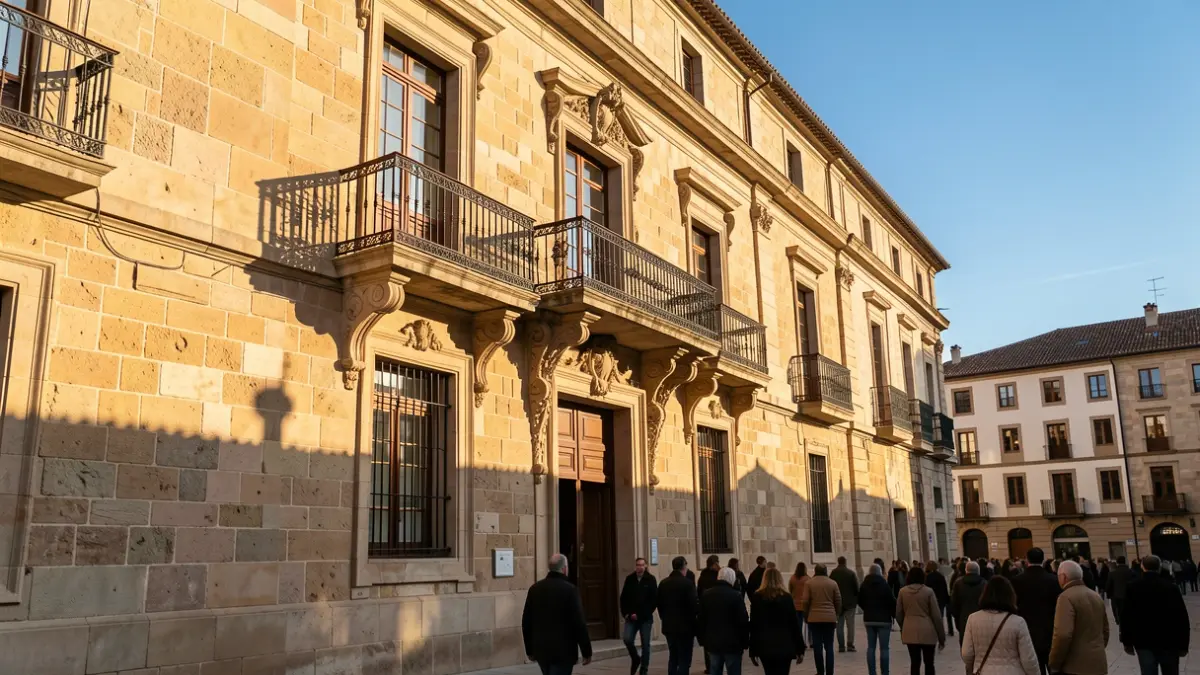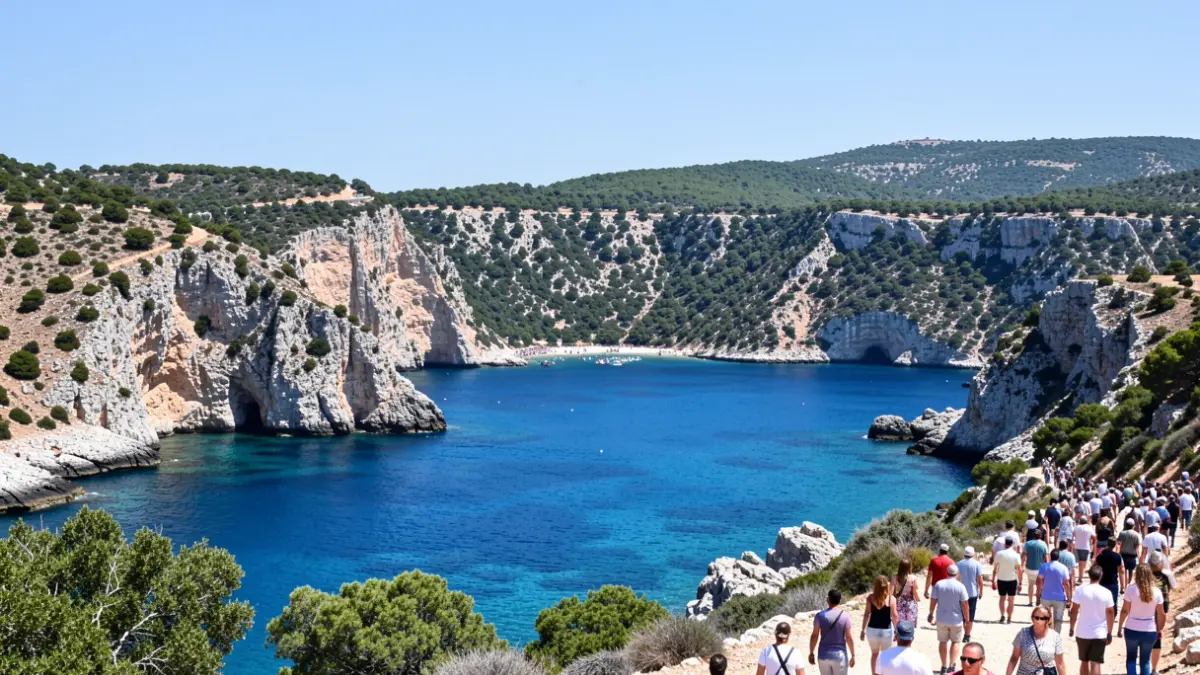
This area in the Baix Empordà is part of the environmental initiative deployed throughout Catalonia, funded by the Department of Territory, Housing, and Ecological Transition. The service aims to ensure orderly and responsible access to protected natural spaces, with informants welcoming visitors, explaining rules, and regulating access, as well as intervening in incidents.
Professionals work in coordination with municipalities, rural agents, rural guards, and the Catalan police, especially during periods of high visitor numbers or high forest fire risk. This summer, around 70 professionals are working in Girona's riverine areas, which have received 56,000 visits and assisted 29,000 people, a slightly lower figure than last year due to preventive closures.
Informants also identify behaviors that can affect conservation, such as vehicles parked outside designated areas, unleashed pets, waste, noise, and inappropriate bathing practices, aiming to prevent these situations through direct visitor information.
Across Catalonia, over 200 environmental informants are working in natural parks and protected areas. The Aiguamolls de l’Empordà Natural Park has received 51,000 visits and assisted 15,000 people, while Cap de Creus Natural Park has recorded 93,000 visits and assisted 39,000.
Areas managed by the Generalitat have received 939,000 visits and assisted 328,000 people. The overall figure exceeds one million visits nationwide, with 394,000 people assisted during June and July.
The Minister of Territory, Housing, and Ecological Transition, Sílvia Paneque, highlighted the concentration of visitors and the influence of high temperatures on riverine environments. The Government advocates for the initiative as a tool to balance leisure with the protection of natural spaces.