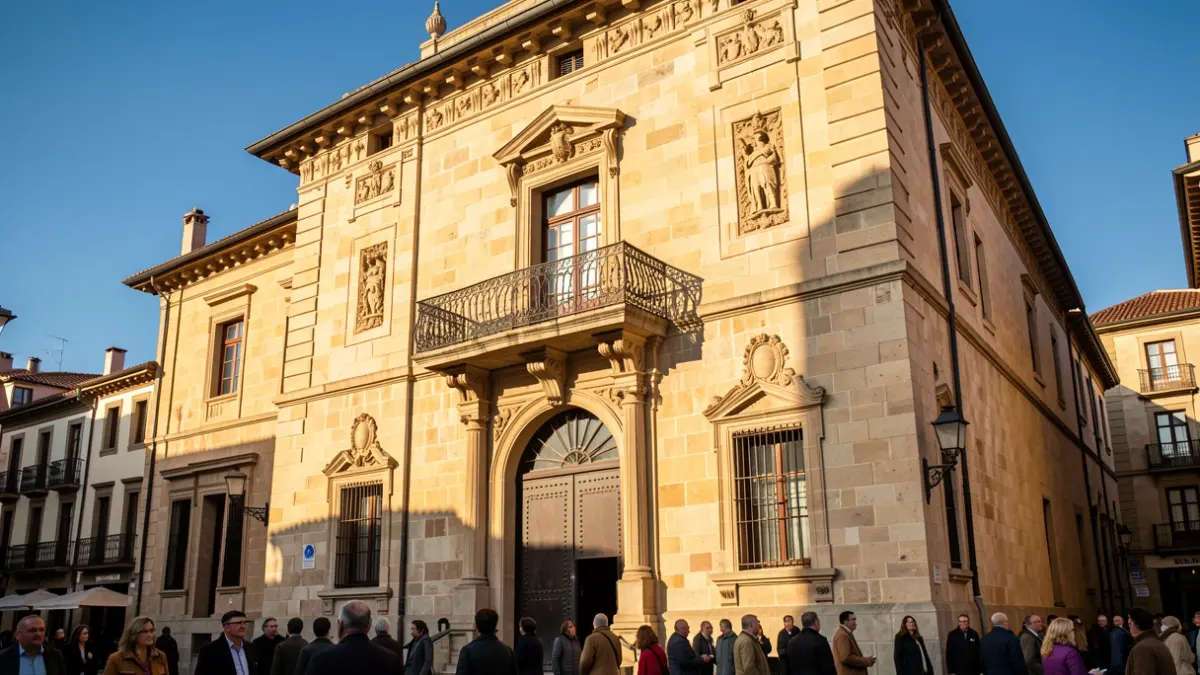
The Palamós City Council hosted this week the meeting of the Institutional Representative Commission for the Educational Environment Plan. This body, responsible for the program's participation and coordination, reviewed past actions and established key guidelines for the coming months, aiming to further promote equity, inclusion, and educational success within the municipality.
The session, chaired by the Mayor of Palamós and the Councillor for Education and Educating City, included representatives from the City Council, the Department of Education and Vocational Training, local educational centers, and various stakeholders from the local educational community.
It was highlighted that this is the second year of operation for the Palamós Educational Environment Plan, an initiative that consolidates and continues the municipality's previous efforts, such as the City Educational Project and its participation in the Education 360 Alliance. The program receives an annual contribution of 44,000 euros from the Generalitat de Catalunya.
One of the most significant agreements from the meeting was the approval of the multi-year framework project. This strategic document will guide the plan's actions over the next few years, setting priorities and key objectives for the joint educational initiatives of the involved parties.
The Educational Environment Plan is based on cooperation between administrations, educational centers, and the social fabric of Palamós. It aims to provide a coordinated response to the educational needs of children and young people, connecting schools with the various educational and community spaces in the city.
Key objectives of the program include ensuring equal educational opportunities, particularly for the most vulnerable groups; fostering social cohesion and coexistence; promoting the use of Catalan as a language of integration; and expanding learning opportunities beyond regular school hours.