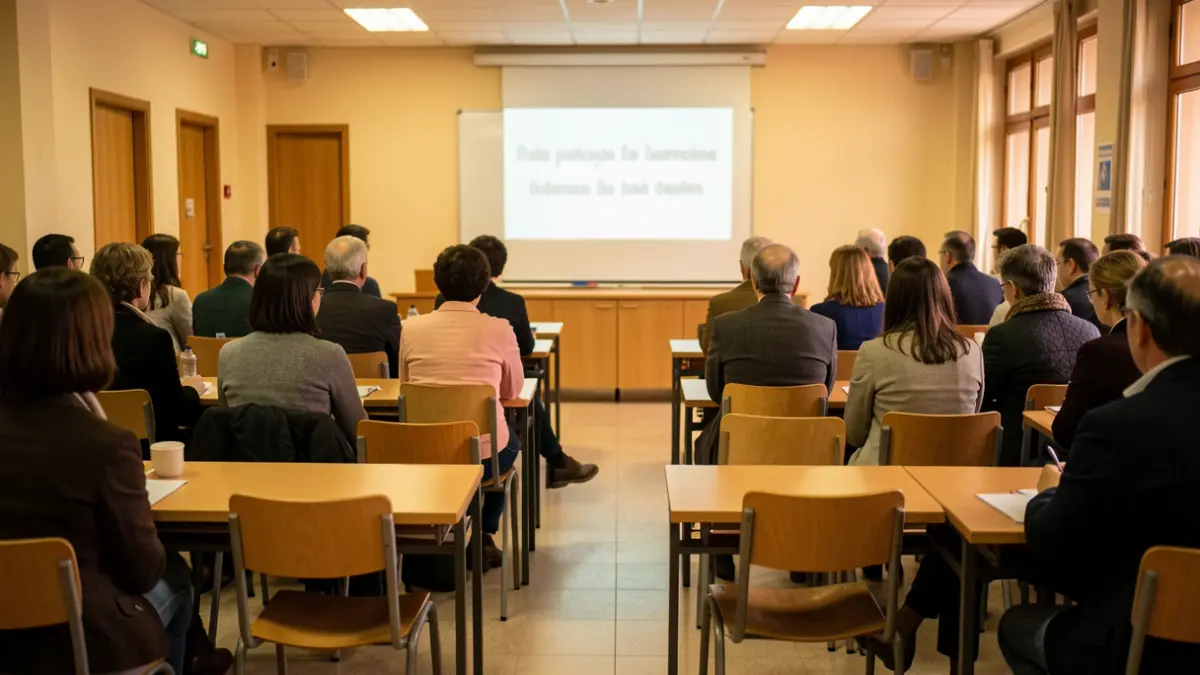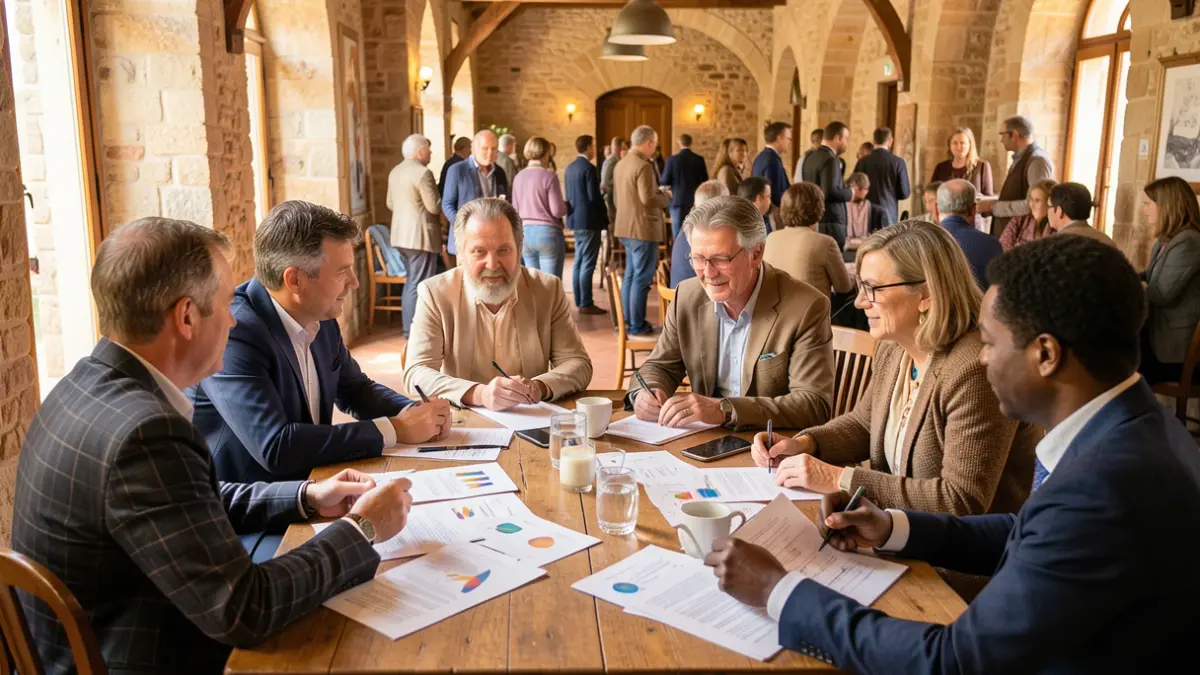
The conference "Mental health: from research to clinic", held in Sant Boi de Llobregat, focused on the need to bridge the gap between scientific knowledge and clinical practice. The event highlighted the growing research ecosystem in mental health in Catalonia, while pointing out the challenge of translating scientific evidence into effective application.
Antoni Plasència, Director General of Research and Innovation in Health at the Generalitat de Catalunya, emphasized the importance of strengthening synergies between health, research, and innovation systems to generate useful evidence and assess its real impact. "Today's research and innovation will be tomorrow's health and healthcare," he stated.
The conference showcased concrete examples of research applications. Jorge Osma from the University of Zaragoza presented the Unified Protocol for the treatment of emotional disorders, a transdiagnostic intervention being adapted for public health services. The project Espai Terapèutic Reservat (ETR), led by Khadija El Abidi El Ghazouani, which promotes a more personalized therapeutic relationship in mental health inpatient units, was also introduced.
Clemente García-Rizo, a researcher at the Barcelona Clinic Schizophrenia Unit (BSCU), discussed the role of obstetric complications, metabolic syndrome, and perinatal factors in the origin and progression of severe mental disorders. The "Explain Your Thesis in Five Minutes" session highlighted new predoctoral research lines on intensive home care, psychedelic-assisted therapies, and sex differences in first-episode psychosis.
The second panel stressed that generating scientific knowledge alone does not transform practice. The need for institutional alliances and the genuine inclusion of user voices from the initial stages of projects were emphasized. Obstacles identified included a lack of protected research time, the need for professionals with mixed clinical and research profiles, and limitations in current funding systems.
Susana Ochoa concluded the conference by highlighting the importance of research with transformative capacity, focusing on treatment personalization, active participation of service users, and strengthening the links between care and research to achieve sustainable improvements.
In the afternoon, attendees experienced innovative projects such as Virtual Scape (virtual reality in the penitentiary setting), the PIPEPP app (support for first-episode psychosis), and Avatar Therapy (for individuals with schizophrenia experiencing persistent auditory hallucinations), demonstrating how technology can enhance the care experience.