The congress's six working commissions advocated for more public resources, measures against female precarity, gender-bias-free healthcare, and effective responses to digital violence and racism. The conclusions highlight the persistence of structural inequalities, such as the 41.7% pension gap for retirees in Baix Llobregat and 26.1% of women at risk of poverty or social exclusion in Catalunya.
Under the slogan «Now More Than Ever», the Congress addressed challenges including labor inequality, digital violence, racism, economic precarity, gender bias in health, and the invisibility of older women. The conclusions emphasize the need to tackle discrimination from a structural perspective and strengthen public services.
Female precarity was highlighted with data showing 26.1% of women in Catalunya are at risk of poverty or social exclusion. In Baix Llobregat, the contributory retirement pension gap favors men by 41.7%. The commissions called for dignifying feminized labor sectors, a universal public care system, and recognizing the value of care tasks.
Concerns were raised about digital violence as a threat to democratic quality, urging greater responsibility from tech platforms. Regarding racism, an actively anti-racist intersectional feminism was advocated, calling for the participation of migrant, racialized, and Roma women.
Women's health was a central theme, denouncing research bias towards men and demanding more resources for gender-perspective research, comprehensive mental health care, and measures against aesthetic pressure and fatphobia. It was also warned that artificial intelligence could amplify existing inequalities if not developed with representative data.
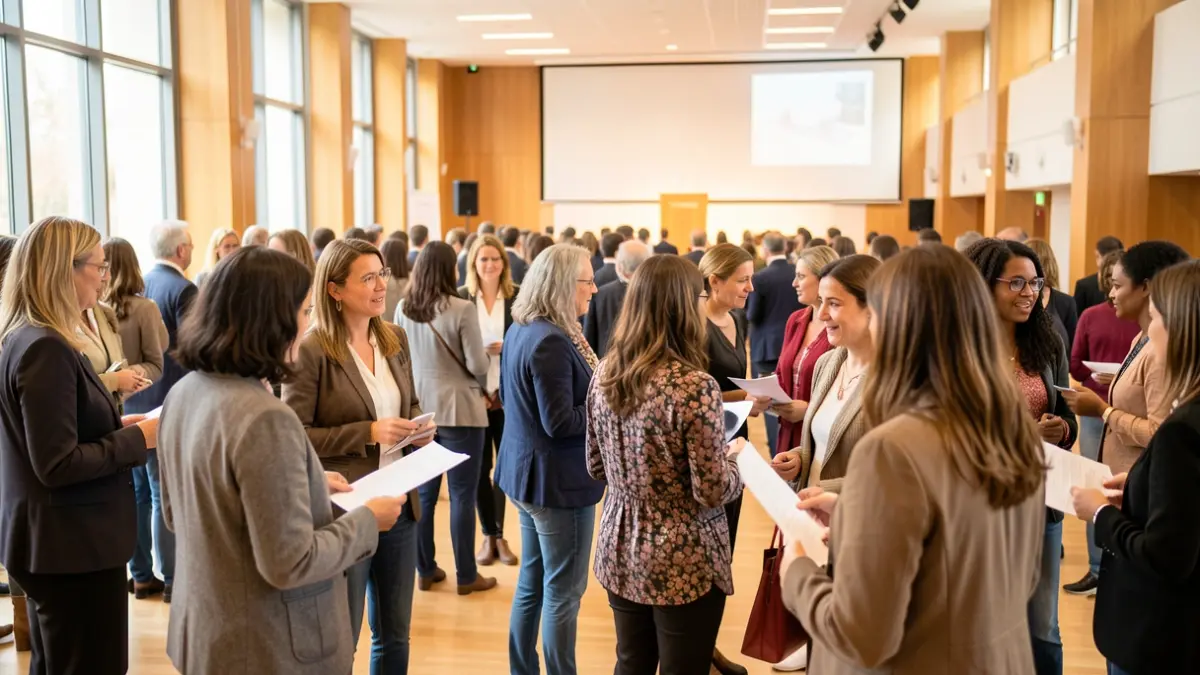
The final conclusions stressed that equality must translate into real resources, services, and opportunities, strengthening inter-administrative coordination and ensuring women's active participation. The event featured expert speakers and journalists, moderated by Xantal Llavina. Participants included the mayor of Sant Joan Despí, Belén Garcia; the president of the Consell Comarcal del Baix Llobregat, Eva Martínez; the president of the Institut Català de les Dones, Sonia Guerra; the president of the Diputació de Barcelona, Lluïsa Moret; and the Minister of Education, Esther Niubó.
The inaugural discussion featured political scientist Júlia Salander and Doctor of Metallurgical Engineering Núria Salan. The Congress also included a theatrical performance and a concert, reaffirming the feminist commitment of Baix Llobregat.