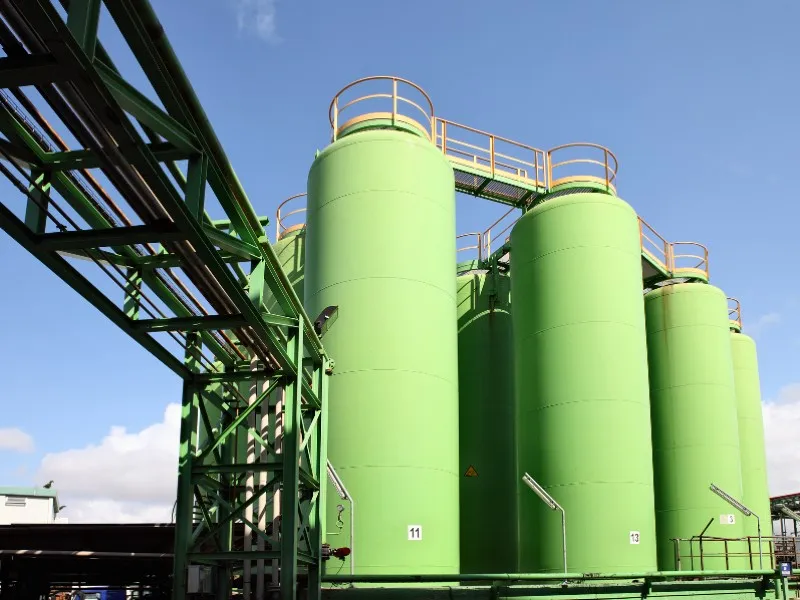
The solution, which received a grant of 187,709 euros from ACCIÓ (the agency for business growth of the Department of Business and Labor), has already been validated in a pre-industrial setting, and the company is now studying its market viability.
According to Joan Triquell, development engineer responsible for the project, traditional biological processes require energy for aeration and generate biological sludge that must be managed as waste. The new technologies developed by Tradebe allow for more sustainable and efficient treatment of these wastewater streams.
One of the adapted technologies is an electroactive biofilter that promotes interaction between microorganisms and contaminants, reducing the need for oxygen and preventing sludge generation. The other method uses electrooxidation technologies, leveraging high salinity to degrade compounds through electrical energy. These technologies have been validated with wastewater from hazardous waste management and the preserve and curing industry.
Project results include a reduction of over 99% in PFOA (perfluorooctanoic acid), a decrease of more than 50% in the consumption of raw materials like activated carbon, and the successful substitution of chemical reagents such as sodium hypochlorite.
Tradebe Environmental Services, specializing in environmental services and industrial liquid waste management, has over 600 professionals and 30 centers in Spain, and more than 2,200 employees internationally. The company Tradebe, founded in 1984 and headquartered in Sant Joan Despí, had a global turnover of over 830 million euros in 2025.