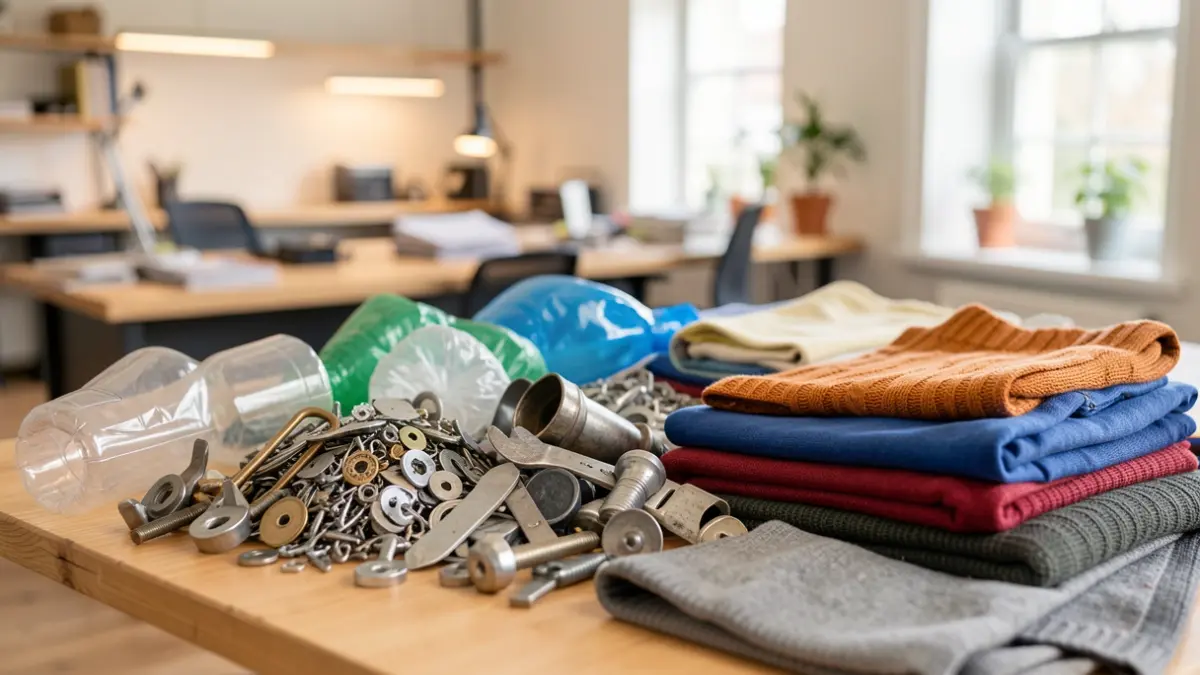
Circular economy, a responsible consumption model that aims to extend the lifespan of materials and promote their reuse, has become an internal working procedure at B:SM. This approach allows for the identification of repurposing opportunities and gives a second life to resources across the organization's various businesses and departments.
On the occasion of the European Week for Waste Prevention, celebrated from November 21st to 29th, B:SM reaffirms the importance of continuing to advance towards a circular economy model to minimize environmental impact. This year, nearly 50 requests have been managed, successfully reusing over 5 tons of materials and equipment that would otherwise have become waste.
Particularly noteworthy are the donations originating from the transformation works of the Zoo de Barcelona and the Olympic Ring, which represent 27.5% of this year's total. These figures highlight the commitment of the Infrastructure and Assets department and the operational staff of the Units to the circular economy.
Beyond environmental benefit, the circular economy generates a positive impact on the local community. 75% of the managed requests have resulted in the donation of materials and equipment to social entities within the Barcelona + Sostenible network, benefiting approximately 4,300 people. These donations include IT equipment for educational centers, logistical and construction materials, furniture, bicycles, electronic equipment, and textiles. The remaining 25% corresponds to materials and equipment reused internally within other B:SM businesses.
Through initiatives like this, B:SM continues to integrate the circular economy into its activities, contributing to waste reduction and the generation of social value for the city.