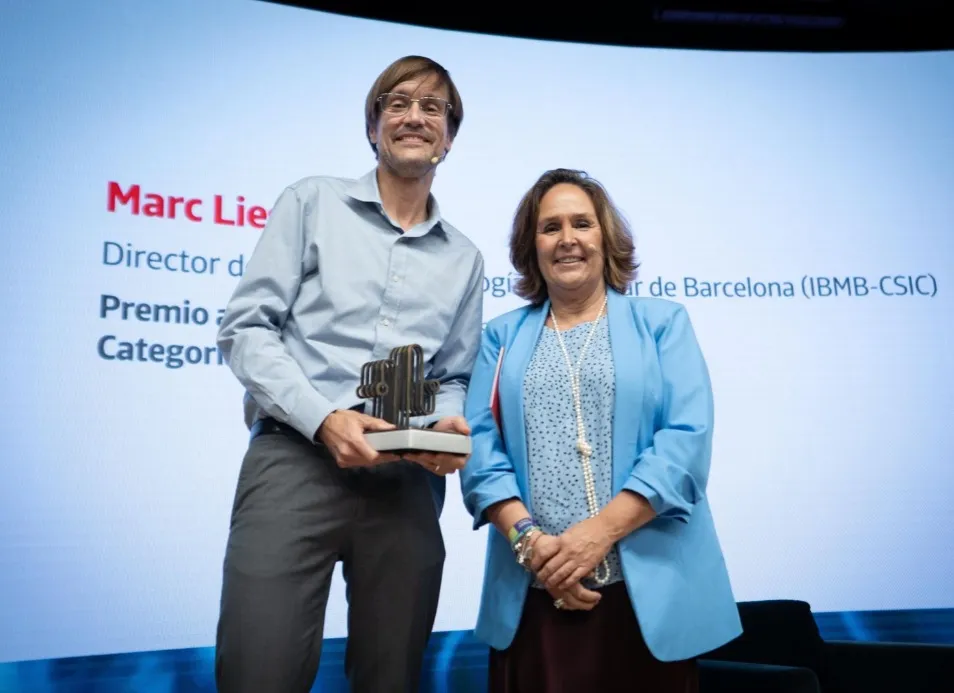
The Institute of Molecular Biology of Barcelona (IBMB-CSIC) is set to receive significant support for its research into type 2 diabetes, thanks to two major accolades. Marc Liesa, the new director of IBMB-CSIC, has been awarded a grant from the "la Caixa" Foundation in the 2026 Health Research call and the 2026 Jesús Serra Research Award in the Basic Research Category, presented by Fundación Occidente. These awards will back his team's investigation into the early metabolic changes of the disease and the exploration of their potential reversal.
Type 2 diabetes is a chronic condition that develops when the pancreas does not produce enough insulin or when the body cannot use it effectively, leading to high blood glucose levels. Symptoms can be mild and go unnoticed for years, potentially resulting in a late diagnosis until complications arise.
Marc Liesa's laboratory at IBMB-CSIC investigates how mitochondria and heme-related metabolites contribute to metabolic and age-related diseases, including obesity and type 2 diabetes. The team studies how changes in nutrient availability and the cellular redox environment affect mitochondrial function, aiming to identify new preventive or therapeutic strategies.
The project selected by the "la Caixa" Foundation focuses on understanding why the pancreas may release excessive amounts of insulin during fasting, a phenomenon that could contribute to weight gain and the subsequent development of type 2 diabetes. The research will examine how circulating fats during fasting affect the mitochondria of insulin-producing cells.
As the winner of the Basic Research category of the Jesús Serra Research Award, Liesa will also investigate whether restoring mitochondrial changes caused by high-fat diets can reverse this dysfunction and slow the progression of type 2 diabetes in its early stages, opening new avenues for intervention before damage becomes irreversible.