Installing an electric car charger in 2026: key aspects in homes and communities in Catalonia The adoption of electric vehicles continues to advance in Catalonia, where the number of users opting to install charging points in their homes or community parking spaces is steadily increasing.
This increase has focused attention on the technical, regulatory, and planning requirements necessary for carrying out these types of installations, especially in residential environments where the electrical infrastructure must adapt to new consumption demands.
Home charging, the main method of use
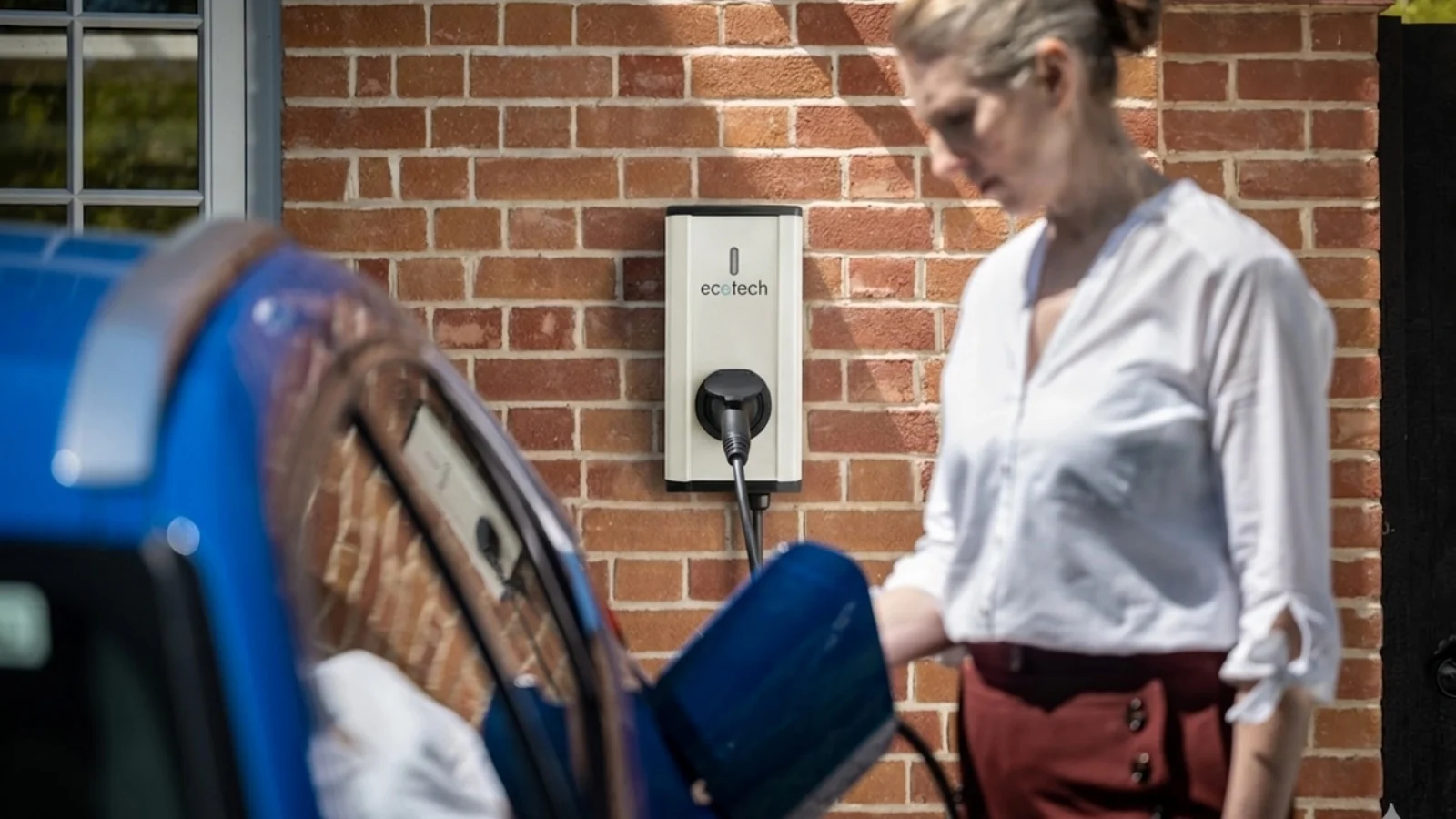
Most charging installations are being carried out in private homes, where users can charge their vehicles during nighttime hours and take advantage of lower electricity rates.
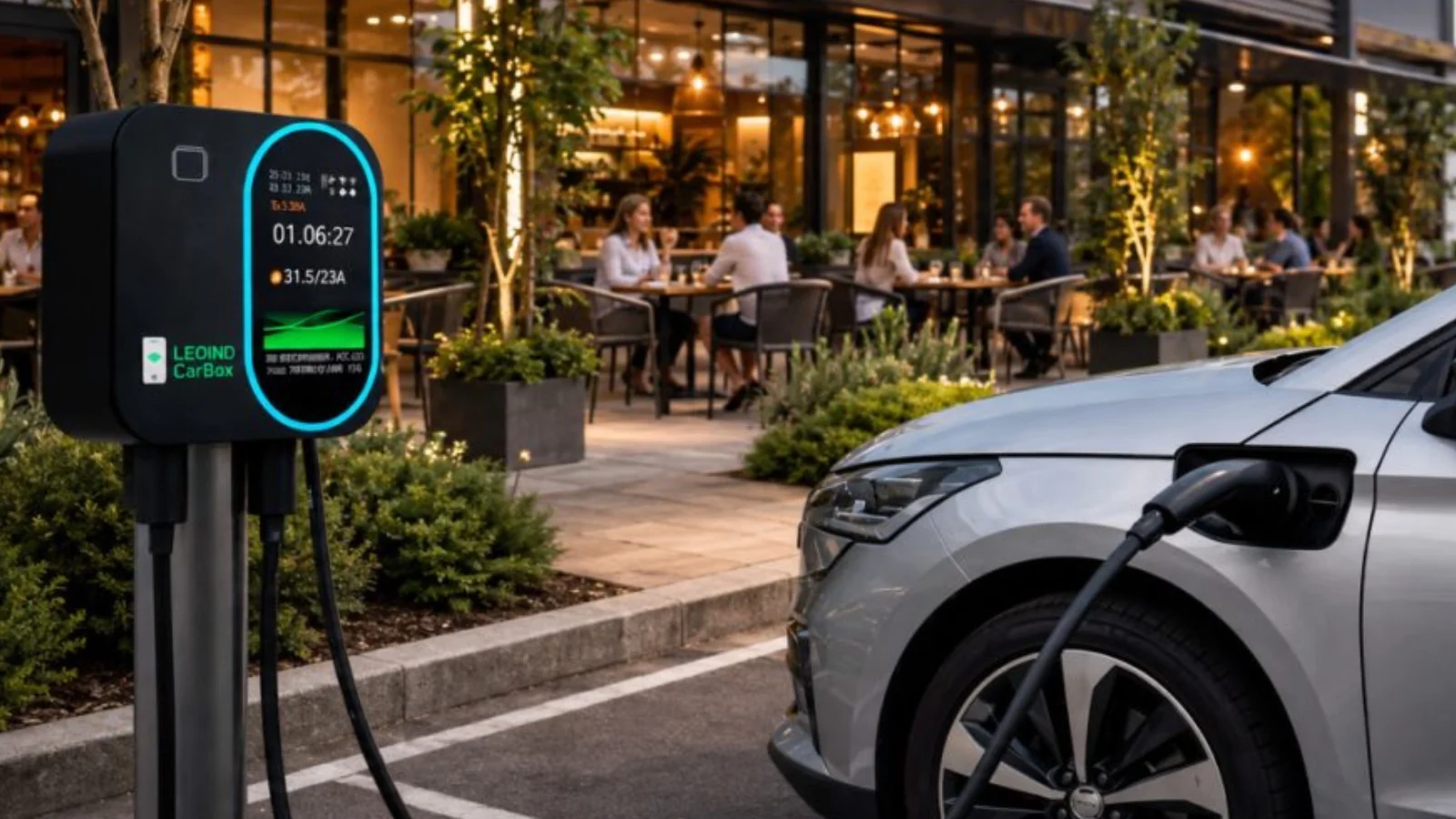
Current solutions allow for adjusting available power, scheduling charging cycles, and managing energy consumption based on household demand. There are various options on the market for electric car chargers adapted for homes and communities.
Installations in owner communities
In the case of community garages, the installation of charging points continues to grow, although doubts persist regarding technical procedures and the adaptation of existing electrical infrastructure.
Current regulations permit the installation of individual chargers in private parking spaces, provided that the established technical and safety requirements are met.
Technical factors to consider
Among the elements that determine the feasibility of an installation are the contracted power, the capacity of the building's electrical system, the type of vehicle, and the intended use of the charging point.
Experts recommend conducting a preliminary study to ensure the correct distribution of electrical load and prevent overloads in the building's network.
Market outlook
Forecasts point to continued growth in the electric vehicle fleet in the coming years, driven by an expanding range of models and improvements in charging infrastructure.
This context is fostering the emergence of new installations in both domestic and community settings, with solutions becoming increasingly tailored to different user profiles.
This increase has focused attention on the technical, regulatory, and planning requirements necessary for carrying out these types of installations, especially in residential environments where the electrical infrastructure must adapt to new consumption demands.
Home charging, the main method of use
Most charging installations are being carried out in private homes, where users can charge their vehicles during nighttime hours and take advantage of lower electricity rates.
Current solutions allow for adjusting available power, scheduling charging cycles, and managing energy consumption based on household demand. There are various options on the market for electric car chargers adapted for homes and communities.
Installations in owner communities
In the case of community garages, the installation of charging points continues to grow, although doubts persist regarding technical procedures and the adaptation of existing electrical infrastructure.
Current regulations permit the installation of individual chargers in private parking spaces, provided that the established technical and safety requirements are met.
Technical factors to consider
Among the elements that determine the feasibility of an installation are the contracted power, the capacity of the building's electrical system, the type of vehicle, and the intended use of the charging point.
Experts recommend conducting a preliminary study to ensure the correct distribution of electrical load and prevent overloads in the building's network.
Market outlook
Forecasts point to continued growth in the electric vehicle fleet in the coming years, driven by an expanding range of models and improvements in charging infrastructure.
This context is fostering the emergence of new installations in both domestic and community settings, with solutions becoming increasingly tailored to different user profiles.