
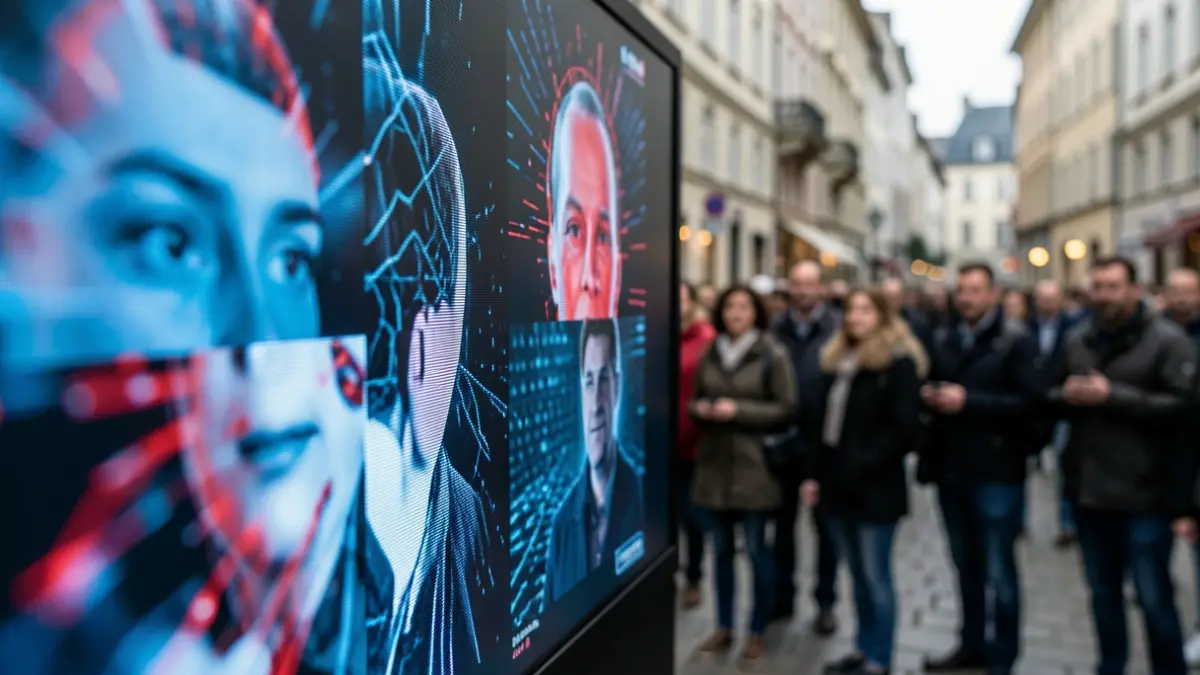
The proliferation of deepfakes, digital content manipulated using artificial intelligence to simulate false situations or statements, is causing concern due to their potential fraudulent, defamatory, or harassing purposes. According to experts, these artificial creations, which often impersonate individuals or companies, open the door to a wide range of crimes.
The advent of AI has greatly sophisticated photo manipulations, making it "often impossible to distinguish reality from what is not," according to Gerard de Lucas, president of the image rights section of the Col·legi de l'Advocacia de Barcelona. Faced with this situation, specialists recommend acting quickly if one becomes a victim of a deepfake.
Key steps include documenting the incident by gathering evidence such as screenshots and links; requesting the removal of the content from the platform where it was published, arguing the violation of image rights, honor, and privacy; and filing a complaint with the Mossos d'Esquadra or the Policía Nacional if the impact is severe, providing all collected evidence. The most common associated crimes are slander, libel, harassment, and identity theft.
In addition to criminal avenues, civil actions can be taken for violation of rights to honor, privacy, or one's own image, including claiming compensation for damages. It is also possible to file a complaint with the Spanish Data Protection Agency. Professional legal advice is essential in these processes.
Social media platforms usually remove reported content quickly, although judicial processes can be long and complex, requiring patience and resources. Consequences for victims range from moral damage and self-esteem issues to severe reputational and economic repercussions, potentially even leading them into legal trouble if deepfakes are used to commit other crimes.
Experts agree that it is impossible to completely avoid becoming a victim of a deepfake, as only an image or recording is needed to create one. The primary responsibility lies with the platforms, which must implement preventive filters with the help of AI. However, the role of awareness-raising and digital education is also considered important, as are the internal protocols that an increasing number of companies are developing to identify and act on these incidents.


