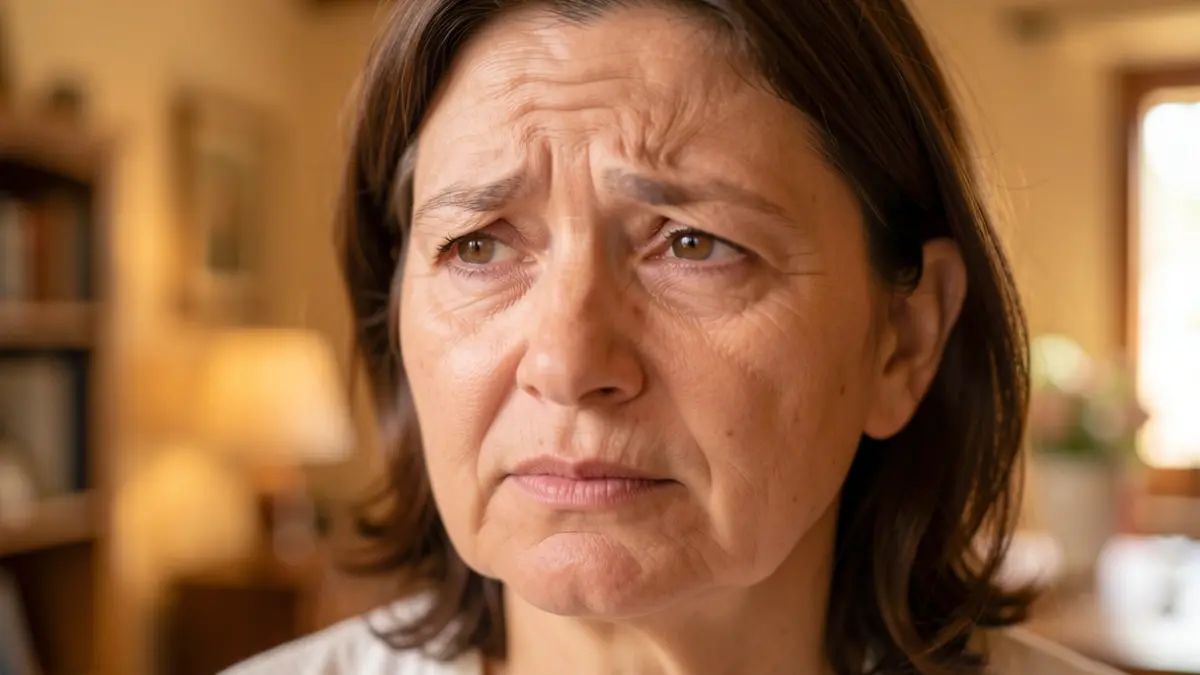
Heatwaves have proven to be a higher risk factor for the female population in Barcelona during the summers of the last decade. Studies by the Barcelona Public Health Agency (ASPB) indicate that 12.1% of female deaths registered between May and September 2025 were related to high temperatures, while this figure drops to 2.36% for men.
The health agency explains that this difference is not due to gender itself, but to the greater presence of vulnerable profiles among women, especially elderly women and those in more disadvantaged socioeconomic situations. The ASPB suggests that a combination of factors explains this trend, with women's longer life expectancy being a key element, as advanced age significantly increases vulnerability to heat.
Elderly individuals, and particularly elderly women who often live alone, experience greater difficulties in regulating body temperature, may suffer from chronic illnesses, take medication that interferes with the body's response to heat, and live in conditions of social or economic isolation. These circumstances, coupled with less adapted housing or the cost of cooling, hinder protection against extreme temperatures.
The confluence of fragilities such as advanced age, poorer socioeconomic conditions, loneliness, and less adapted housing outlines the profile of the most exposed individuals. Although possible physiological differences in the body's response to heat are also considered, the data primarily points to a combination of biological, social, and living condition factors.
The trend of this impact being more pronounced in women has been observed in recent years. While it cannot be conclusively stated that the difference is clearly increasing, the estimated impact of heat remains higher and more consistent in women than in men, a fact that will require observation in the coming years.
Regarding the forecast for this summer, the ASPB warns that the mortality attributable to heat cannot be reliably predicted. Factors such as the duration and intensity of heatwaves, the total summer mortality, and the population's health status will influence the outcome. The mildness of the past flu season, with a shorter and less deadly peak, could mean that more fragile individuals reach the summer, potentially increasing vulnerability.
The agency urges maintaining active prevention and special attention to the most vulnerable groups, avoiding alarmist interpretations but acknowledging the factors that could increase risk in the face of high temperatures.