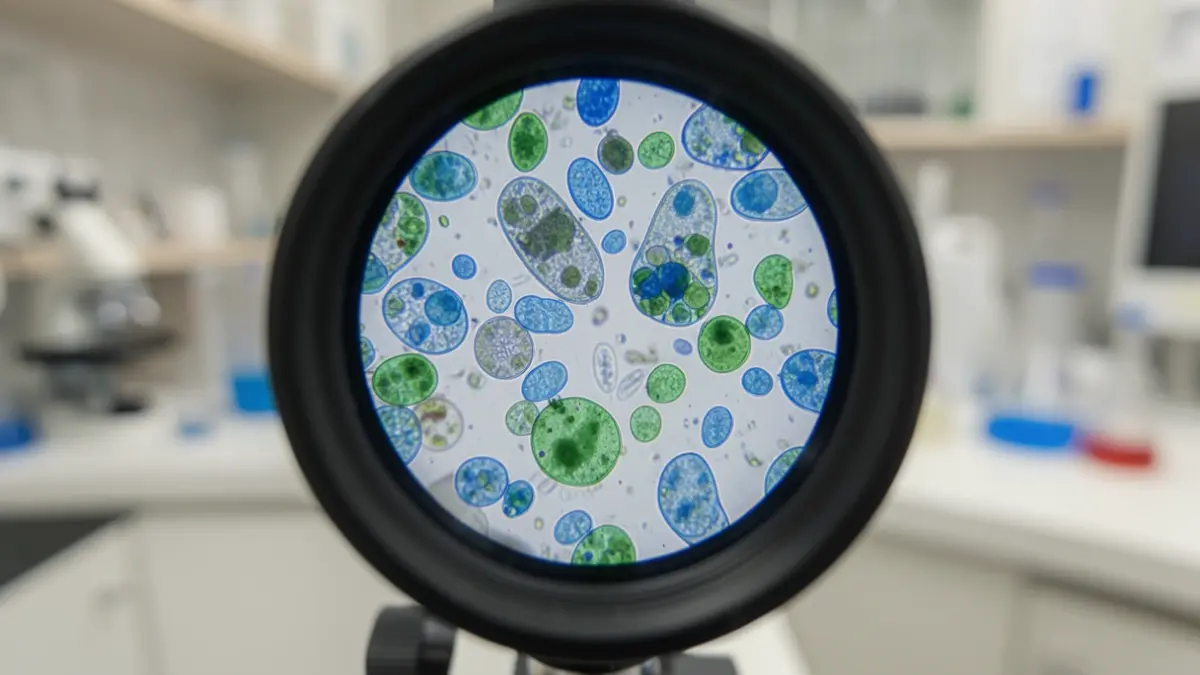
The study, published in the journal PNAS, has bypassed the need to grow these microorganisms in culture media, a step that previously prevented the study of their DNA. The project involved the Flow Cytometry Unit of the Centre for Genomic Regulation (CRG) and a team from the University of Alicante.
The method relies on three key improvements in single-cell genomics: an optimised protocol for small protists, the use of freshly collected living cells from the sea, and the reconstruction of genomes by combining data from multiple cells of the same species to avoid fragmentation. Samples were collected at the Microbial Observatory of the Bay of Blanes.
“"Until now we had a very blurry picture of the ecological role of these microorganisms because we lacked knowledge of their genomes. We have now been able to access the genetic information of the most abundant actors in the ocean without going through culture."
The analysis revealed that some lineages have evolved towards extremely small and efficient genomes, a phenomenon known as genome streamlining. This allows organisms to save nitrogen and phosphorus, an evolutionary advantage in nutrient-poor waters. A high abundance of genes for producing polyketides, compounds with antibacterial and antitumoural activity, was also detected.
“"This set of data brings us closer to understanding how these microorganisms adapt to their ecological niche and gives us a compass to decipher the complexity of marine ecosystems worldwide."