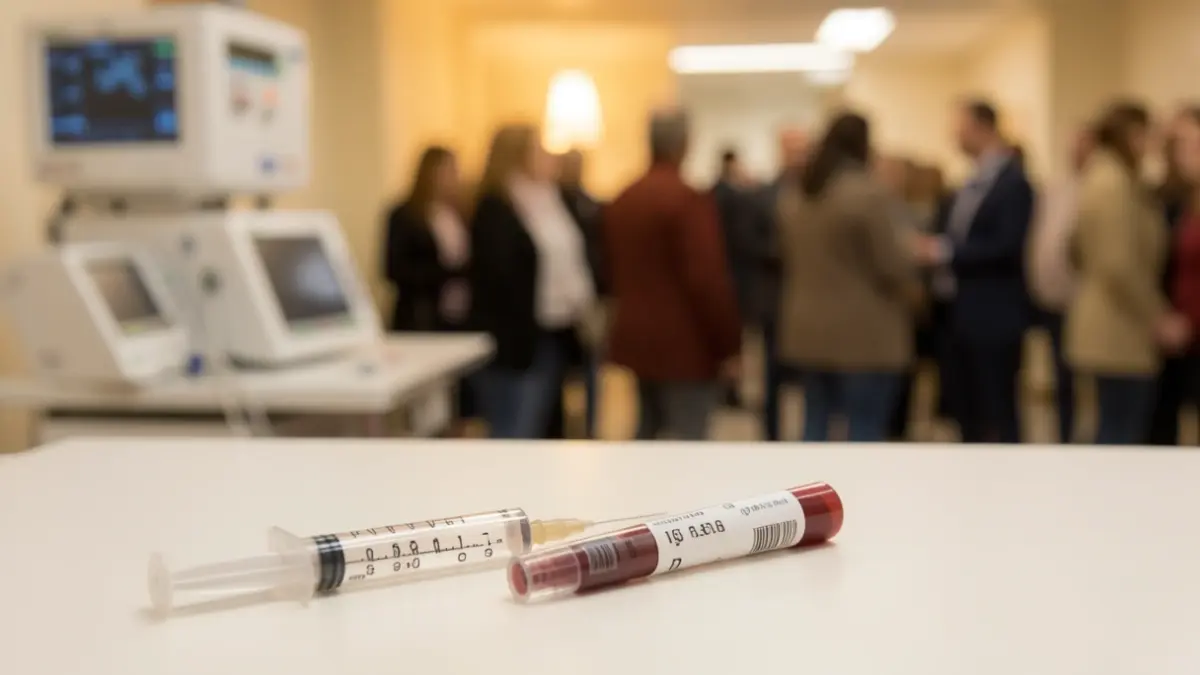
The REDAN study, a bi-behavioral monitoring project ongoing since 2008, analyzed the health and living conditions of 533 people who inject drugs in Catalonia between October 2024 and February 2025. Results show a downward trend in the use of used syringes, standing at 16%, with over 90% finding it easy to obtain sterile syringes, reinforcing the importance of harm reduction policies.
For the first time, the study included a test for active Hepatitis C virus (HCV) infection using dried blood samples, identifying that 18.8% of analyzable participants had active infections, over half of whom were unaware. Overall, 35.2% are infected with HIV and 69.4% have antibodies against HCV.
The study also highlights significant social needs: 50.3% of participants are experiencing homelessness, and nearly half of women and 39% of men reported physical and/or sexual violence in the past year. These findings underscore the need for a comprehensive approach addressing mental health, homelessness, and experiences of violence, adapting interventions to gender, origin, and territorial inequalities.
The REDAN study is coordinated by the Centre for Epidemiological Studies on STIs and AIDS in Catalonia (CEEISCAT) and involves collaboration with various Catalan health and academic institutions.