
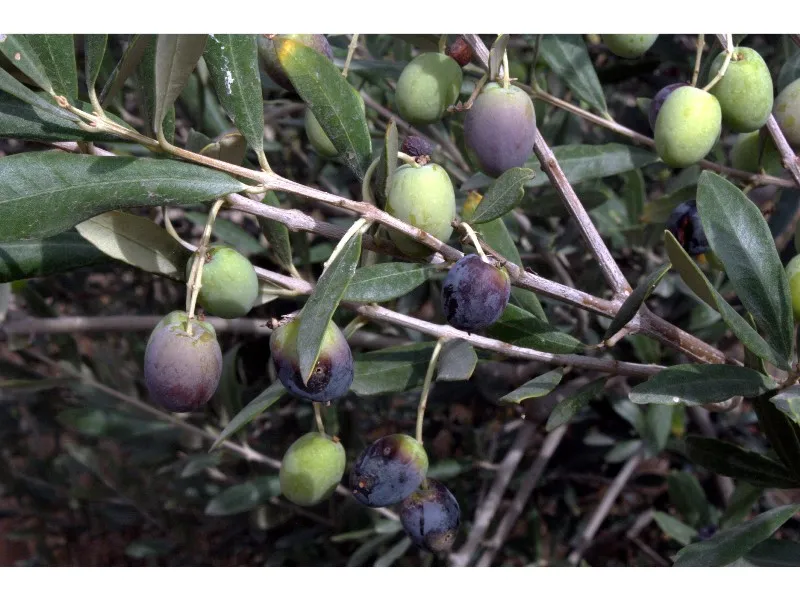
According to the Annual Bulletin of Climate Indicators, which collects observations from the 2013-2025 period, the first olives that acquire a purple hue appear, on average, on 5 October. However, last year this phase was recorded on 27 September, eight days earlier than the historical average. Over the last 13 years, maturation has advanced by approximately 11 days in total.
Xavier De Yzaguirre, a technician in the climate change team at Meteocat and coordinator of FENOCAT, attributes this change in the rhythm of nature to the planet's rising temperatures. "The cause of this change in the rhythm of nature is found in climate change, as the increase in the planet's temperature has effects on vegetation, which our analyses confirm," he explained.
“"The first data suggest that the flowering of this species is also advancing, but the results are not yet statistically significant; we need more years of data"
Regarding full flowering, which usually occurs around 27 May, last year it was recorded on 21 May, six days earlier than the average. Despite this trend, current data are not yet statistically significant. FENOCAT uses 33 monitoring points for full flowering and 32 for the appearance of the first purple olives to analyse the evolution of plant life cycles in Catalonia.