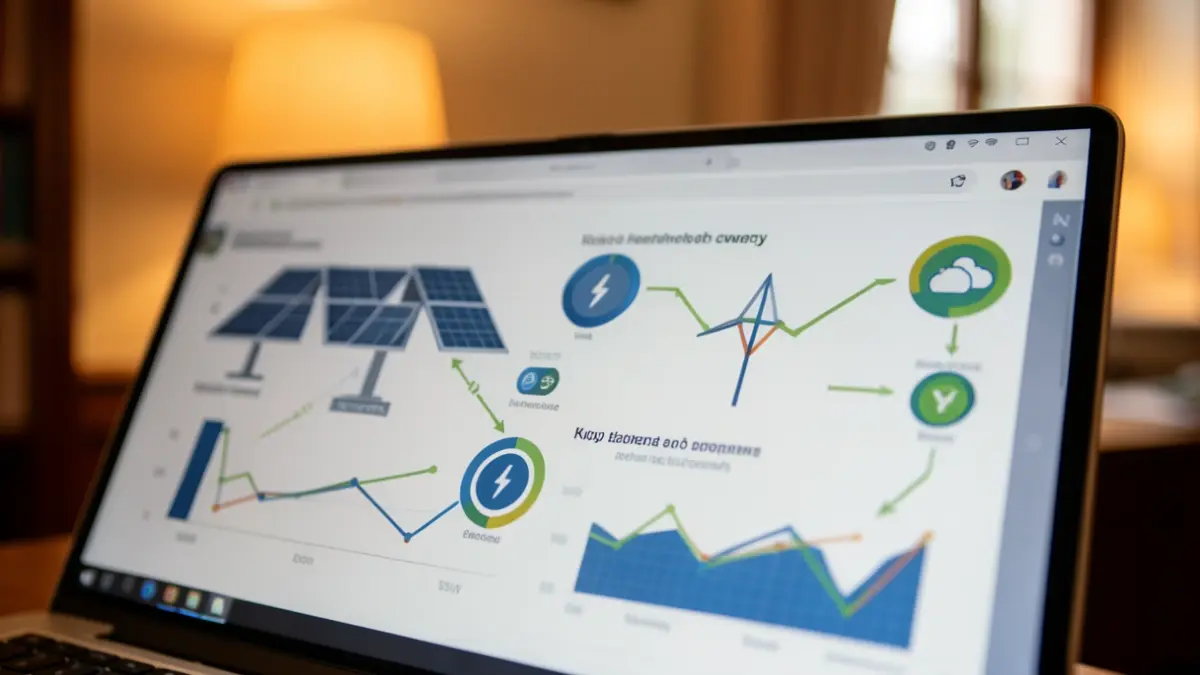
The model targets prosumers, households, and businesses that generate their own electricity through solar installations and may produce more energy than they consume. This solution would enable them to earn additional income from the unused electricity, while allowing other consumers to access energy at potentially more competitive prices.
The NEXUSFLEX R&D project proposes a new business model to make it easier for consumers to participate in energy trading beyond traditional electricity markets. The goal is to create benefits for both parties: improving returns for prosumers and reducing purchasing costs for consumers.
“"We are committed to continuous innovation and renewable energy to create greater value for our customers. Through this project, we aim to maximise the use of solar surpluses and offer new consumption alternatives, helping to move towards a more flexible, efficient and participatory energy system."
Bamboo Energy has worked on integrating the digital platform with Nexus Energía’s systems, while IREC has designed and validated the mathematical optimisation algorithms that allocate available energy to consumers who need it. These models take into account solar generation forecasts and consumption profiles.
“"Our platform makes it possible to exchange surplus solar electricity through financial compensation mechanisms that benefit both parties."
One of the main challenges in bringing this proposal to market is the regulatory framework. Current regulations establish specific conditions for self-consumption and the compensation of surplus electricity. Therefore, it is necessary to explore how this direct exchange model between users could be implemented.
“"The algorithm we have developed is key to making this model possible, as it connects energy supply and demand while optimising exchanges between users."
The NEXUSFLEX R&D project, funded by the Spanish Institute for the Diversification and Saving of Energy (IDAE), has made progress in assessing the technical and economic feasibility of this solution, exploring new ways to better utilize available renewable energy.