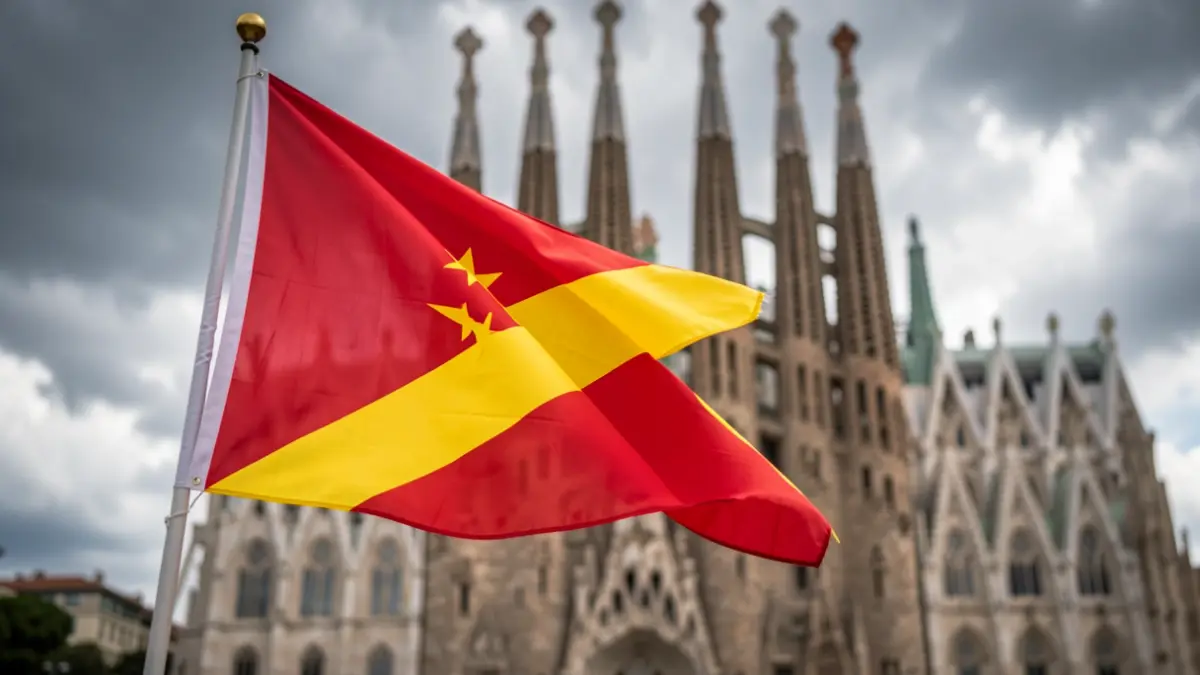
Catalan sovereignism, experiencing a dip in enthusiasm, is reportedly engaging in what some deem "absurd" proposals. One such instance is the preparation of protests against the upcoming visit of Pope Robert Francis Prevost (erroneously referred to as León XIV in some forums) to Catalonia. According to reports, radical sovereignist groups claim the visit, which includes the Sagrada Familia and the Montserrat abbey, is a "state maneuver to Spanish-ize Catalan symbols" and intend to "convey the message that the Catalan people demand freedom" through demonstrations with 'esteladas' (pro-independence flags).
Messages circulating in radical sovereignist forums label the visit a "state operation" to "Spanish-ize Montserrat and Sagrada Familia," turning them into a "showcase for the Crown and 'Marca España'." The allocation of the Montjuïc stadium for a large papal event is also criticized as a "full-scale operation to further Spanish-ize Catalonia's symbols," particularly given the stadium's name, Lluís Companys. The 'Comuns' party has demanded transparency from Mayor Jaume Collboni regarding the criteria for declaring the visit of public interest.
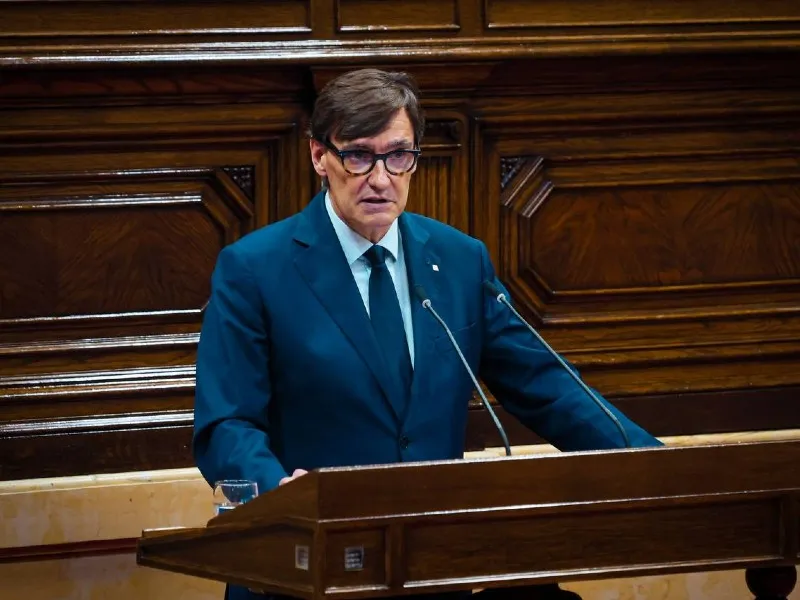
In other news, Catalan President Salvador Illa is poised to approve the first budget of his term. After withdrawing the previous proposal in March due to a lack of support from Esquerra, an parliamentary agreement is anticipated this week. This pact, following lengthy negotiations, is expected to include a new orbital railway project connecting Vilanova i la Geltrú with the Maresme region, estimated to cost 5.2 billion euros and funded by the Ministry of Transport. This agreement should provide Illa with much-needed breathing room after a challenging semester marked by his illness, the Rodalies commuter rail crisis, ministerial absences, and educational disputes.
Specifically in the education sector, the Junts party, through its Secretary General Jordi Turull, has proposed a "grand country agreement for educational quality." Turull laments "budgetary shortcomings over too many years and under different governments" and calls for the involvement of parties, unions, teachers, families, and students to "rebuild and safeguard the Catalan education system," reviving the spirit of "country laws." Teacher unions, such as Ustec, deem the government's proposal "derisory" and urge parties supporting the budget to ensure concrete, funded commitments.
In Barcelona, a tragic shooting incident occurred in the Zona Franca, raising concerns about firearm violence in the city. Meanwhile, the City Council, under Mayor Jaume Collboni, faces its final year with approximately 300 ongoing construction projects, a slight decrease from last summer. Major works on Via Laietana, the Rovira tunnel, Balmes street, and Meridiana avenue are nearing completion, aiming to minimize disruptions to mobility ahead of the next municipal elections.