The VICTOR-XR project, funded by the Horizon Europe program, brings together 16 organizations from seven countries to transform manufacturing, human-robot collaboration, and rehabilitation through advanced extended reality (XR) technologies. The core objective is to ensure virtual environments accurately reflect the real world, a key challenge as these technologies are integrated into factories, hospitals, and training settings.
The initiative will develop technologies that continuously synchronize physical environments with their virtual representations using digital twins, multimodal sensing systems, and AI-based cognitive assistants. By combining vision, speech, gaze tracking, biomedical signals, and haptic feedback, the project aims to deliver more realistic, adaptive, and ultimately more reliable immersive experiences.
Central to the project is the concept of Virtual-Physical Consistency, a framework designed to ensure virtual worlds remain precisely aligned, in real-time, with real-world processes, people, and environments. This technology will enable systems to detect discrepancies, interpret user actions, and provide intelligent assistance through adaptive XR interfaces and AI-driven copilots.
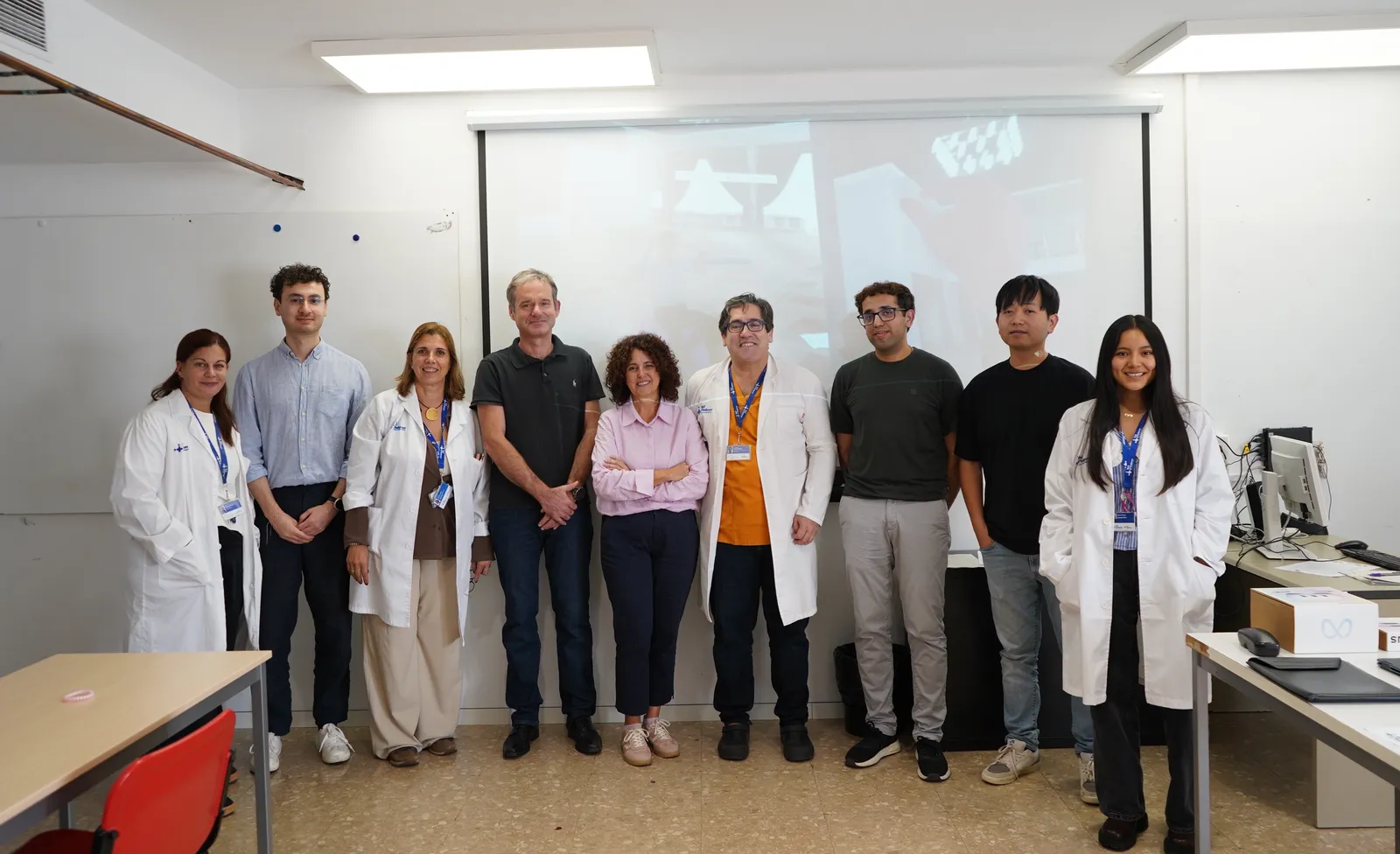
Innovations will be validated in three large-scale pilot environments: the automotive sector (using digital twins of products and processes), advanced manufacturing (to enhance human-robot collaboration), and healthcare. In the latter, Vall d’Hebron will contribute to rehabilitation programs for chronic musculoskeletal conditions, providing personalized guidance and tools for remote patient monitoring.
The project emphasizes ethics, transparency, and inclusion, embedding privacy, accessibility, and explainability into all developments. VICTOR-XR also aims to contribute to Europe's strategic goals for virtual worlds and Industry 5.0 by fostering standards and creating new XR-based learning and training pathways.