The initiative, named RV-PART, is led by Dr. María del Carmen Medina Mallén, a researcher at the Perinatal and Women's Medicine group of IR Sant Pau. The project aims to provide an immersive experience where obstetricians, midwives, and anesthesiologists can live through care situations from the patient's perspective.
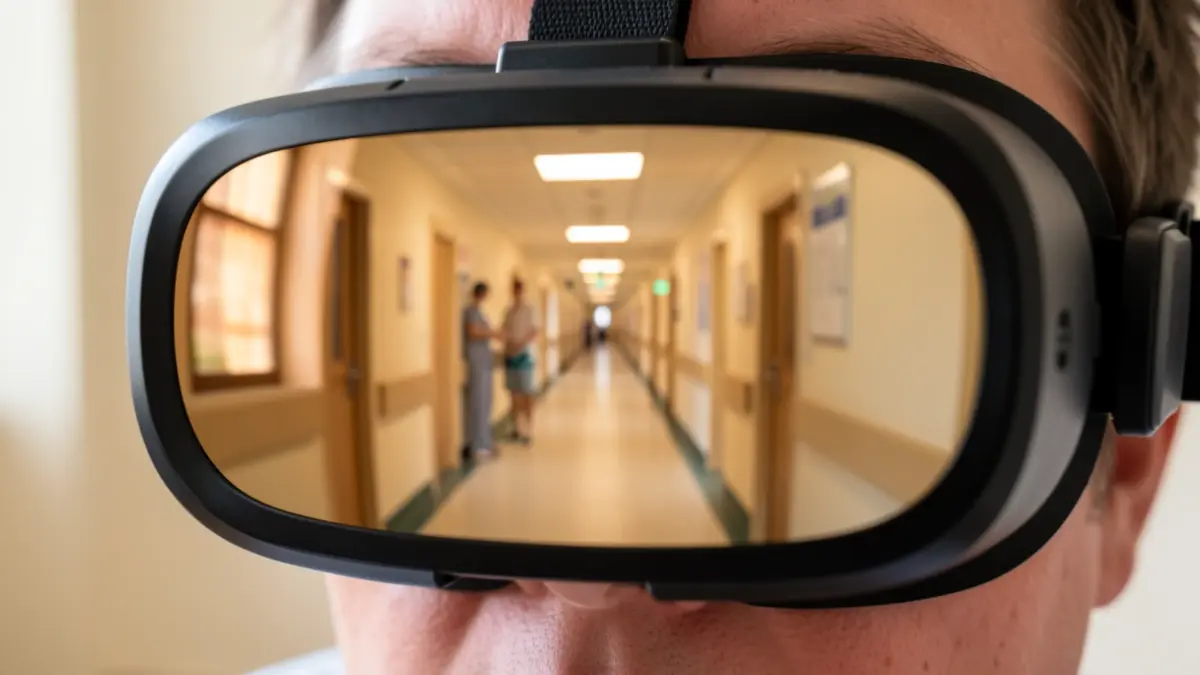
According to Dr. Medina, virtual reality allows for a shift in the usual viewpoint, placing the professional in the woman's position to experience how certain actions, communications, or decisions during childbirth might feel. This helps in understanding the emotional impact of care practices.
Three virtual scenarios will be developed, recreating situations such as lack of informed consent, violation of privacy, use of inappropriate language, absence of support, or pressure to accept procedures. Factors like age, origin, or cultural diversity of women will also be considered.
The goal is not to train clinical procedures but to address aspects like empathy, communication, implicit biases, and power dynamics, which are harder to tackle with traditional training. Dr. Medina emphasizes that the project adopts a formative, non-punitive approach, aiming to create a safe space for reflection on how to improve care.
Following each virtual session, structured reflection sessions will be conducted by experts in gender perspective and obstetric violence. These sessions will analyze the emotions and situations experienced, and collectively build applicable alternatives for daily clinical practice.
The project will employ a quasiexperimental design to assess changes in professionals before and after the intervention. Their ability to recognize potentially abusive obstetric practices, their awareness, and their attitude towards the concept will be analyzed.
Dr. Medina states that the aim is to evaluate whether a lived experience through VR can foster a deeper change than theoretical knowledge alone, helping to revise attitudes and actions in the daily healthcare context.
This initiative builds upon a previous project funded in 2020, which trained 70 professionals in obstetric violence. While it improved the recognition of problematic situations, it also identified emotional resistances and difficulties in translating acquired knowledge into sustained practice changes, especially under high-pressure care settings.
The new RV-PART project seeks to address these limitations with a more experiential methodology, aiming to shift learning from a purely cognitive level to an emotional and relational dimension to enhance the training's transformative capacity.
Collaborators include the Working Group for the Study and Prevention of Obstetric Violence, the Clinical Commission on Sex and Gender in Health, the Sant Pau Hospital Learning Campus, and VTOOLS, a VR specialist company. This collaboration merges clinical knowledge, gender perspective, and technological expertise.
The generated materials—virtual reality scenarios, reflection guides, and evaluation tools—will be designed for reuse and incorporation into continuous, specialized, and university-level training programs at other healthcare centers.