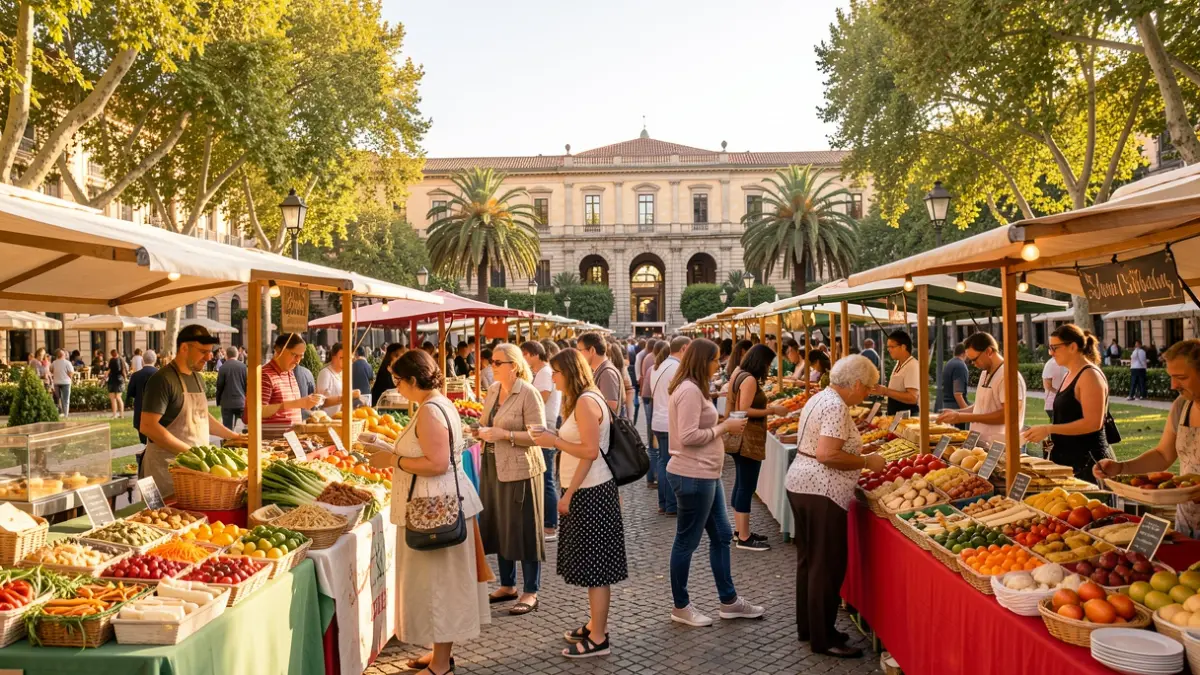
The new program includes financial grants and technical support, with a special focus on multi-service establishments. These spaces combine various activities such as catering, basic services, and meeting areas, acting as vital hubs for the community.
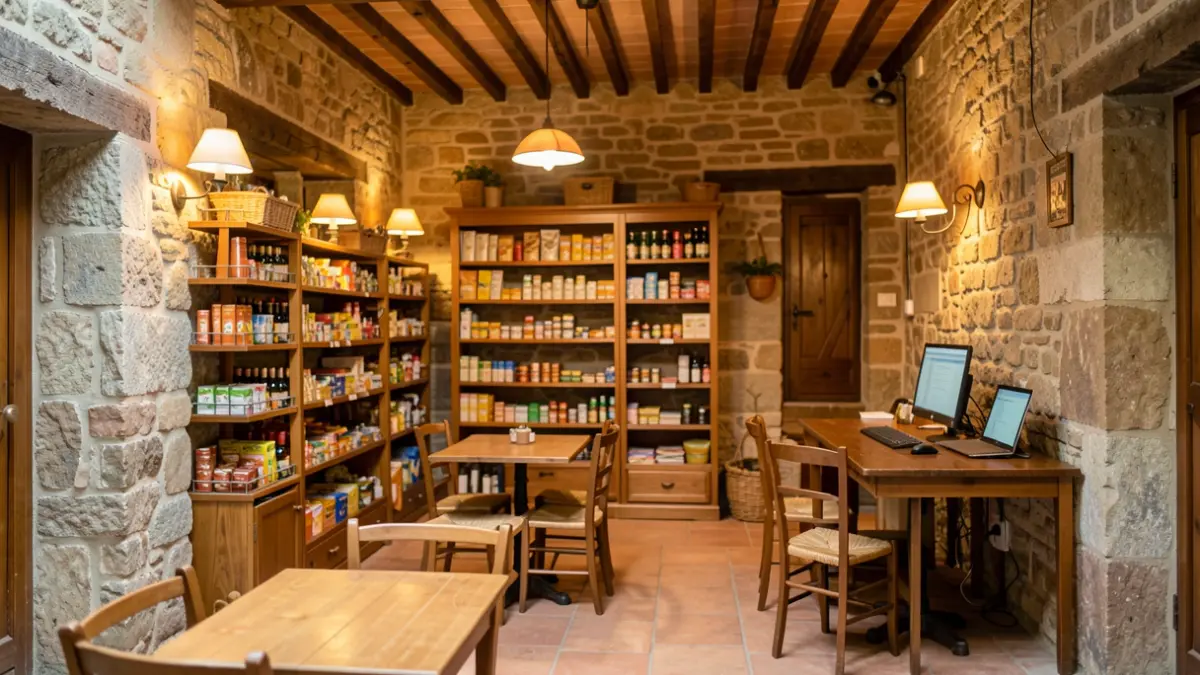
A notable example of this model is found at the Sindicat d’Olvan, in Berguedà. This micropopulation has transformed the former Unió Obrera building into a community services platform that includes a local produce store, a cafe, co-working spaces, cultural activities, and a municipal kitchen serving around 100 meals daily.
Catalonia has 590 rural municipalities, of which 476 have fewer than a thousand inhabitants. These micropopulations, despite representing over half of the municipalities and nearly half of the territory, only account for 2.3% of the population. A study indicates that 36.7% lack a food establishment and 13.7% have no catering services.
The Minister of Business and Labour, Miquel Sàmper, emphasized that the initiative aims to guarantee "indispensable services" and prevent unnecessary travel for basic purchases. "It cannot be that you have to go seven or eight kilometers to buy a loaf of bread or a kilo of pasta," he stated.
Sàmper also argued that multi-service establishments "foster community life" and "anchor the territory," framing the program within the Government's objective to generate "prosperity everywhere".
The program is structured into three lines of aid: the first for local entities (up to 80% of investment, maximum 18,000 euros per project), the second for the operation of establishments promoted by town halls, and the third for existing private businesses (up to 50% of expenses, maximum 5,000 euros).
It is anticipated that the 2.1 million euros will support around fifty projects in 2026, with annual calls. The first call will be launched on June 8th.
The case of the Sindicat d’Olvan, established after the closure of local shops, exemplifies the model. The mayor, Sebastià Prat, explained that the goal is to create a meeting and socialization space, including a community dining hall.
Prat highlighted the importance of these spaces for ensuring basic supplies for residents who lack transportation. The project, rehabilitated with funds from Next Generation, Leader, and the Diputació de Barcelona, has created four jobs, some in collaboration with the Fundació Horitzó.
Local resident Bàrbara Boixader positively values the Sindicat as a "cultural and social space to interact, connect, and deepen the roots of the village".