The council believes the document promoted by the Generalitat de Catalunya was drafted without sufficient consideration for municipal participation or the local knowledge of the territory. While supporting the transition to renewable energies, they insist the process must respect local autonomy and municipal powers, particularly in urban planning.
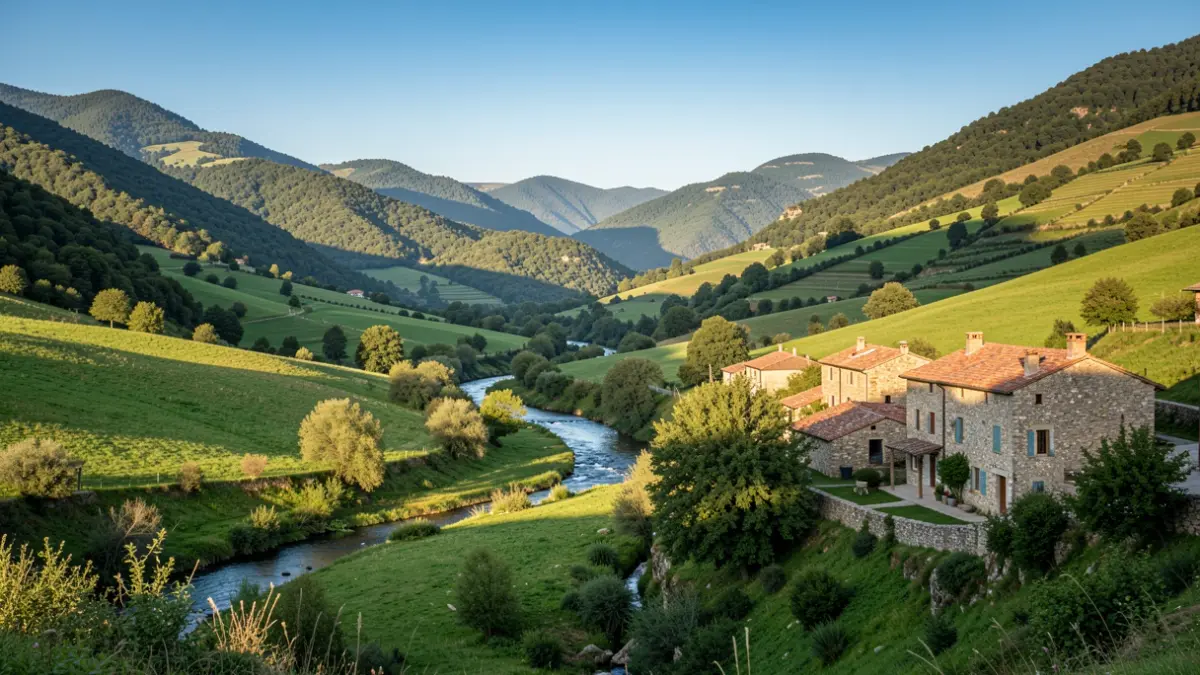
From Barberà de la Conca, concerns are raised that the PLATER proposes an overly uniform territorial plan, disregarding the reality of municipalities like theirs and Ollers. They emphasize that the territory is more than just a site for large energy production facilities; it is a place with identity, heritage, agricultural uses, landscape, and its own life.
According to the municipal analysis, the plan designates 67 hectares for photovoltaic energy and 18 hectares for wind energy within the municipality, accounting for 3.2% of the area with a projected output of 45.3 MW.
The council particularly questions the disregard for minimum distances to population centers and historic farmhouses, as outlined in subsidiary norms and the future POUM. An example cited is the potential installation of solar panels near the Barberà de la Conca swimming pool or the cemetery in Ollers, which they believe would have a significant visual and environmental impact.
For these reasons, the City Council will file objections to the entire PLATER, addressing both the drafting process and what they perceive as a disregard for municipal autonomy. Furthermore, they will demand a minimum distance of 500 meters from population centers and specific protection for cataloged farmhouses and local cultural assets, such as Sant Pere d’Ambigats.