The Conca de Barberà region has taken a step forward in promoting sustainable and active tourism with the implementation of the second phase of its electric bicycle repair, maintenance, and charging station project. Thirteen new service points have been strategically installed throughout the territory.
This initiative is part of the Plan de Sostenibilitat Turística en Destí (Sustainable Tourism Plan for Destinations), led by the Consell Comarcal de la Conca de Barberà and funded by Next Generation EU. This action follows up on a successful first phase in municipalities connected to the La Ruta del Cister GR 175 itinerary.
The primary objective of this project is to enhance the quality of the cycle tourism experience, improve connectivity between municipalities, and promote more environmentally friendly mobility. The network of technical assistance points is designed to meet the basic needs of cyclists, both residents and visitors.
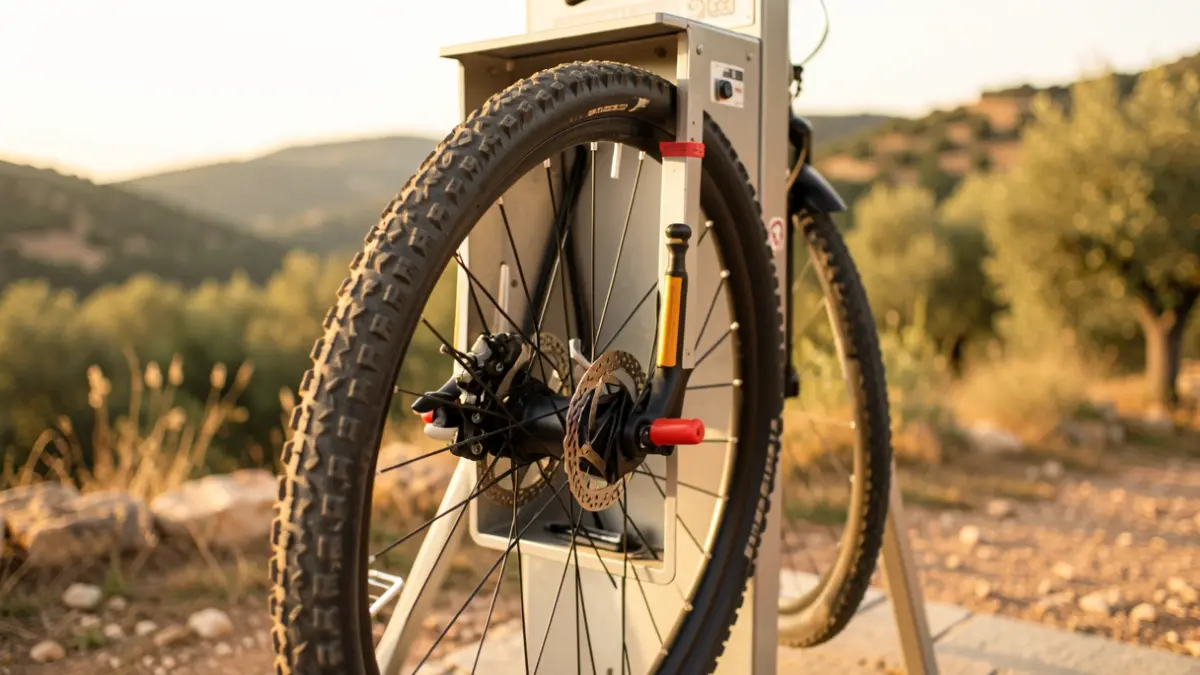
The new stations, which are free to use and accessible, allow for minor repairs and maintenance tasks such as inflating tires, adjusting brakes, tightening cables, or fixing punctures. They also feature specific connection points for charging electric bicycles. Each station is equipped with a bicycle stand, basic safety-secured tools, an air pump with multi-valve adapters, and pressure control elements.
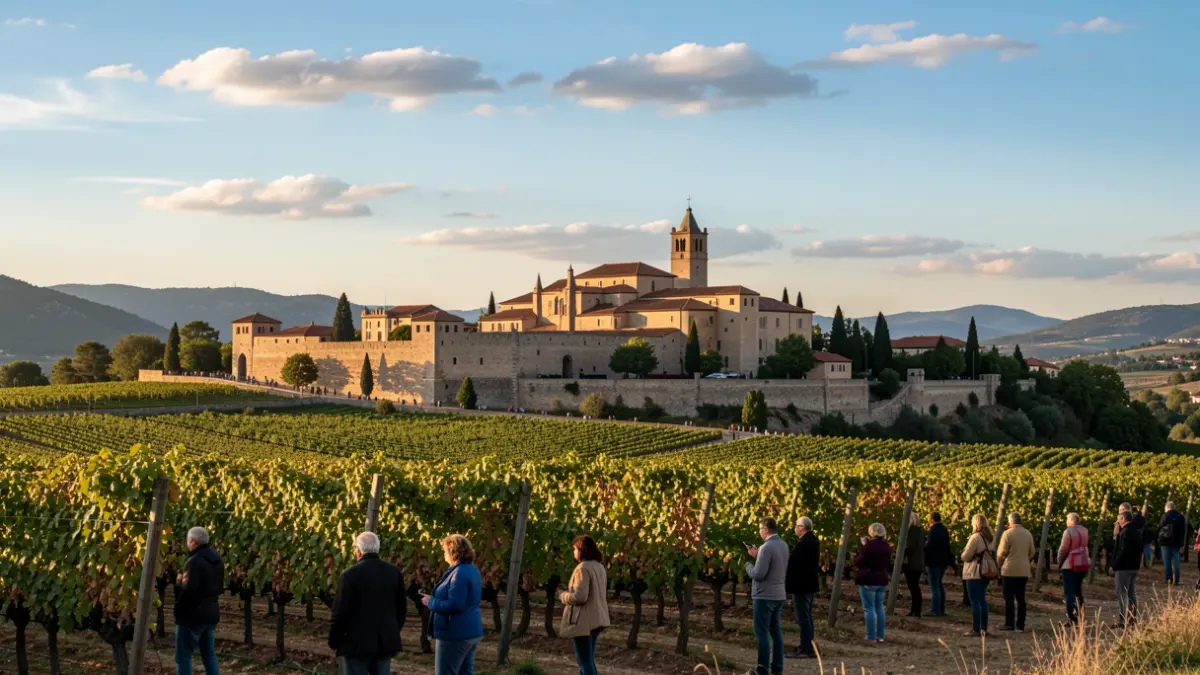
This project is part of a broader territorial strategy connecting the counties of Alt Camp, Conca de Barberà, and Urgell via La Ruta del Cister GR 175. This infrastructure is key to linking the natural and cultural heritage surrounding the Cistercian monasteries of Santa Maria de Poblet, Santes Creus, and Santa Maria de Vallbona, serving as a backbone for slow mobility and landscape discovery.
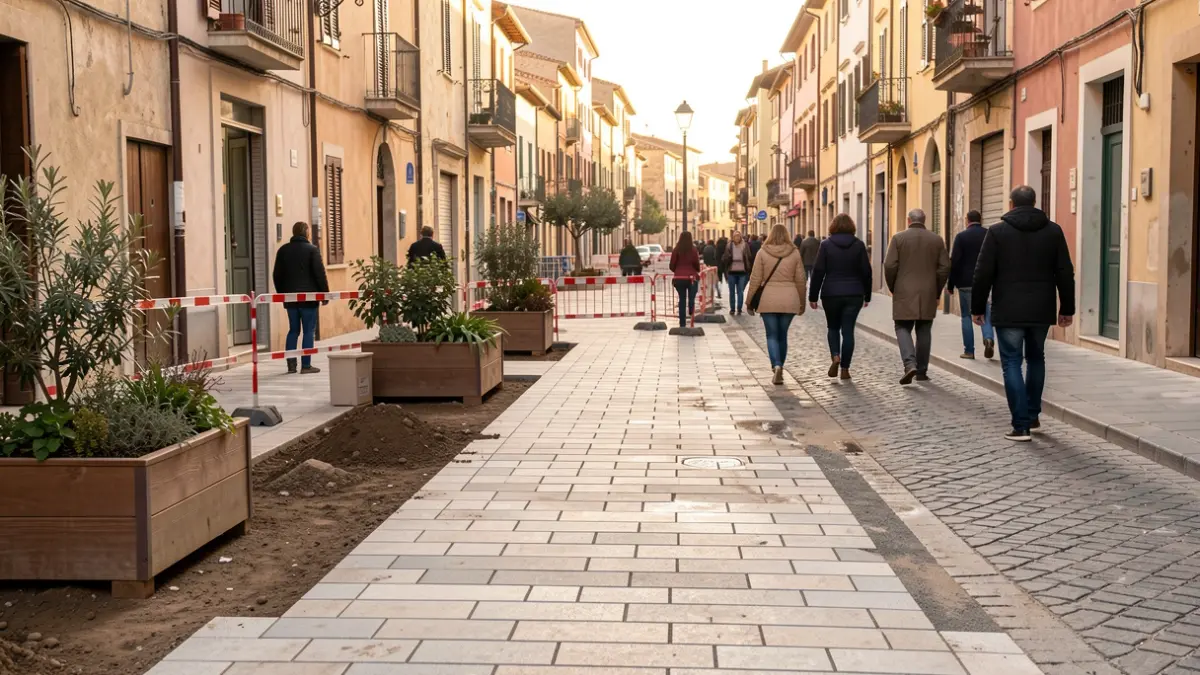
The beneficiary towns for these new stations include Barberà de la Conca, Conesa, Les Piles, Llorac, Pira, Seguer (Pontils), Savallà del Comtat, the hamlet of Segura, Senan, Vallclara, Vallfogona de Riucorb, Vilanova de Prades, and Vimbodí (Vimbodí i Poblet).