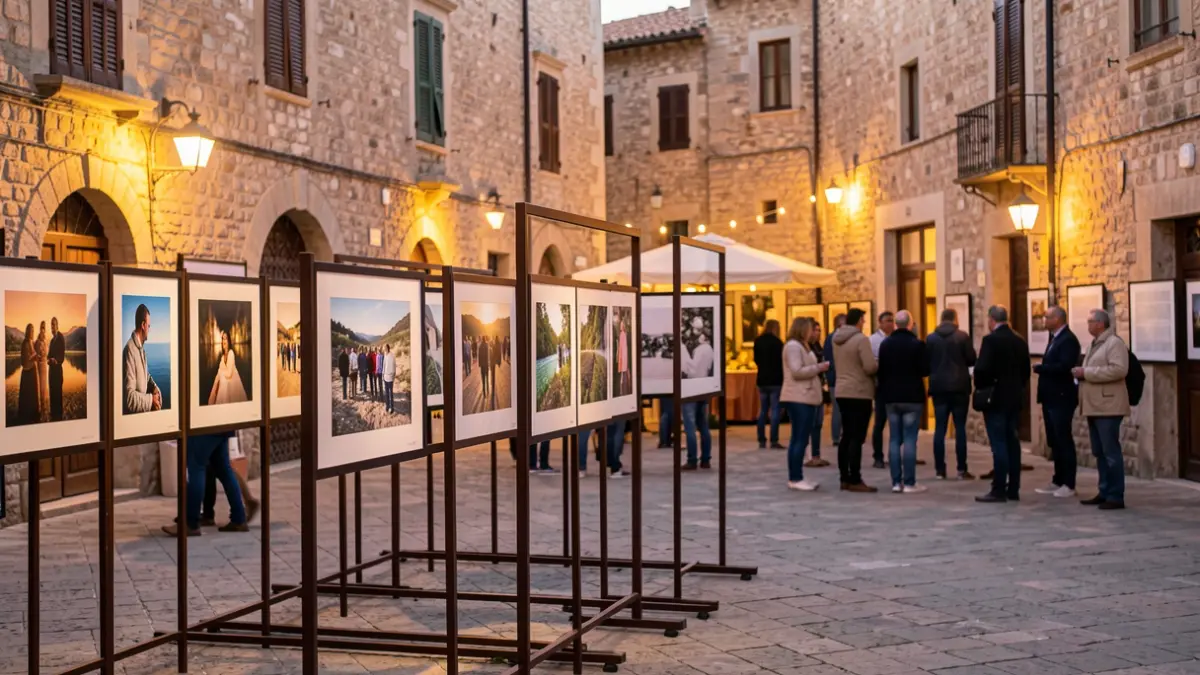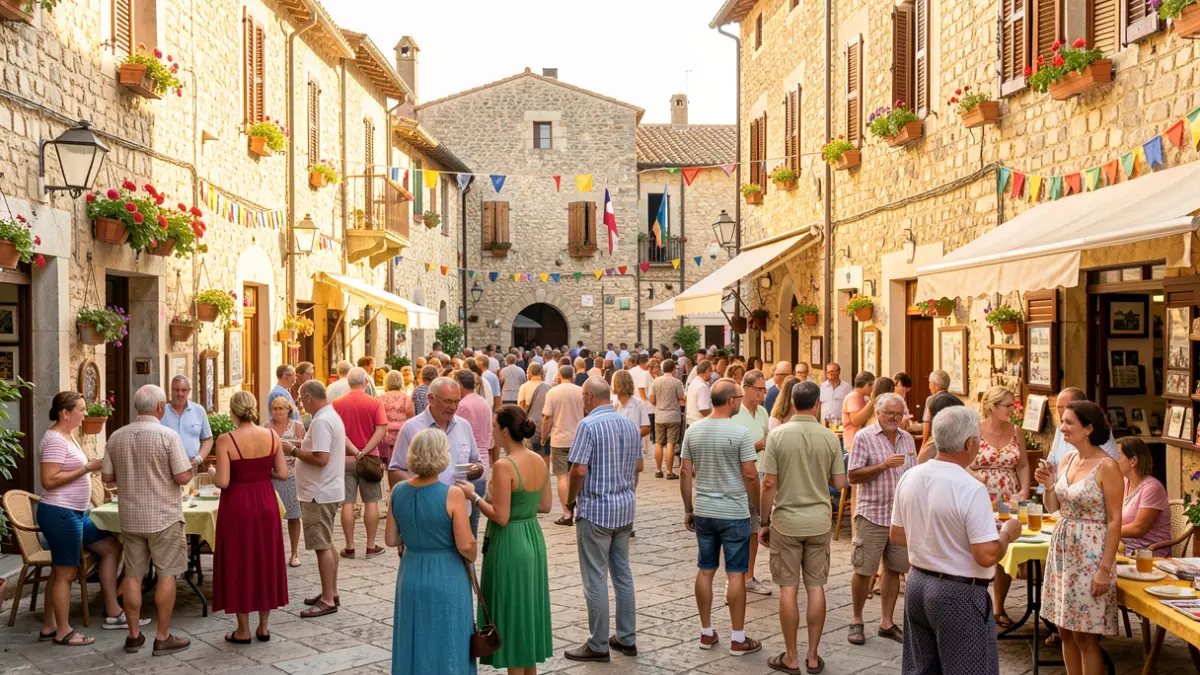
The main square of Montblanc becomes a vibrant reflection of the town during the Saint Matthias festivities. Families, young people, and children fill the streets, creating a mosaic of activities, music, and reunions that demonstrate the town's vitality. This ability to take to the streets and transform festivities into a meeting space is one of Montblanc's greatest characteristics.
Festivity is not just about fun; it's a way of understanding the town, a fabric where relationships are built and collective identity is reinforced. Traditions, like those of Saint Matthias, connect the present with the past and the future, explaining the history and values of a community.
The choice of Saint Matthias as patron saint dates back to the 17th century when the town invoked him to overcome a locust plague. This tradition, rooted in collective memory, underscores how festivities arise from a shared context and history, serving as the town's way of explaining itself.
In a world marked by haste and individualism, festivities continue to hold fundamental value. They compel social interaction, encounters between diverse people, and the creation of common spaces, all essential aspects for social cohesion.
The celebration of these festivities requires considerable, often invisible, effort from hundreds of people involved in entities and associations. However, keeping the festival alive also means constantly rethinking it, opening it to new formats and, above all, to more participants to prevent it from becoming an exclusive activity for a select few.
The challenge for Montblanc is to ensure that more residents feel the festivities are their own, actively participating and making them their own. A town that celebrates together not only honors its past but actively builds its future.