Although the CUP supports increasing the tourist tax, the party argues that the current allocation of funds fails to address the negative impacts caused by mass tourism in many Catalan municipalities.
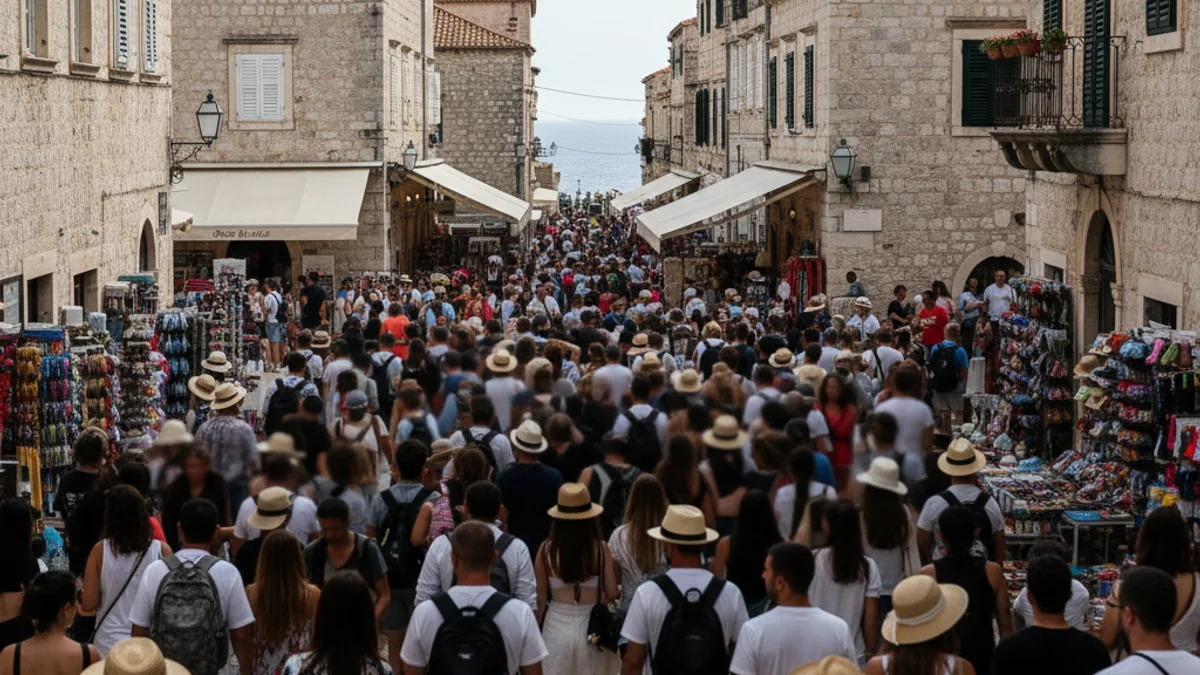
“"The country has largely exceeded the tourism it can handle."
Cornellà strongly criticized the agreement reached by parties such as the Comuns, ERC, and the PSC, labeling the tourist tax model as typical "of any right-wing party program" due to its prioritization of sector promotion.
The anti-capitalist formation, through Som Poble–CUP, advocates for doubling the tax, but using the revenue to diversify the economy, support the productive sector, increase municipal resources for housing policies, and allocate funds to the future Conservatori del Litoral.
Xesco Vallverdú, a member of the Assemblea per Cadaqués, illustrated the situation in the municipality, where tourist use dwellings already exceed a thousand, representing approximately one-third of the housing stock, making housing access difficult for residents and temporary workers.