The initiative, driven by the Allergology Service of the Trueta and Santa Caterina hospitals, targets patients and healthcare professionals to enhance knowledge on identifying and responding to severe allergic reactions. The event will take place from 1 PM to 3 PM in the lobby of Santa Caterina.
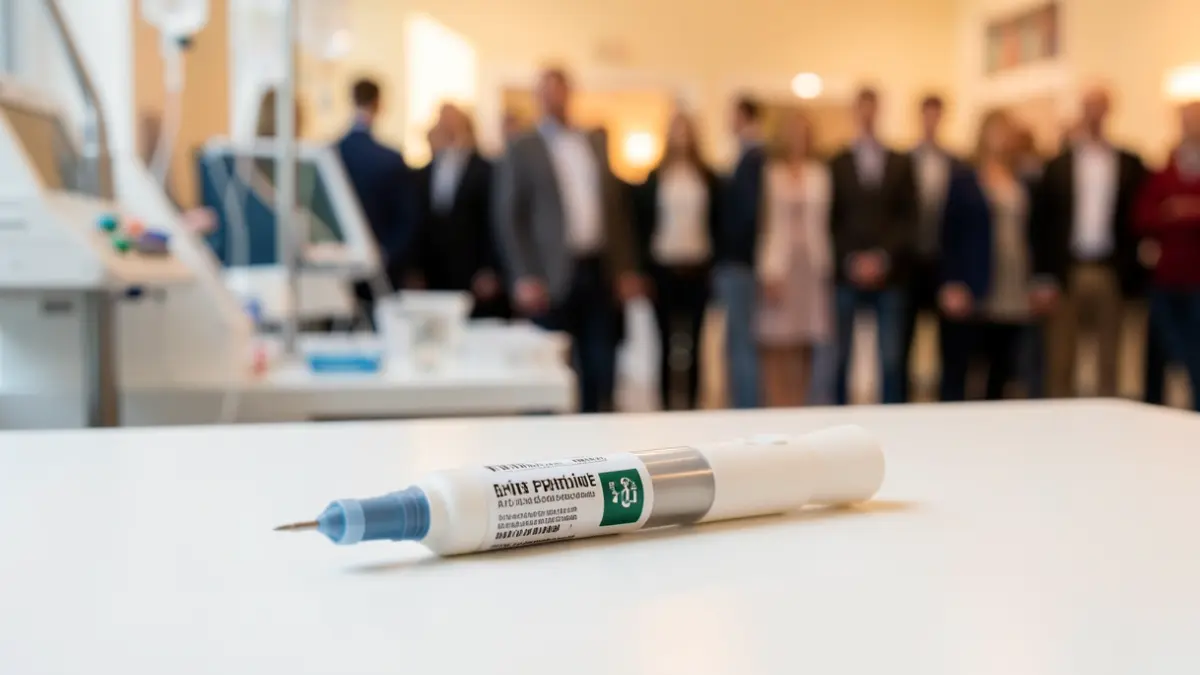
Under the slogan «In the face of anaphylaxis, act. Adrenaline can save a life», the session will include an information booth and health education activities on the use of the autoinjectable adrenaline. The aim is to emphasize the importance of always carrying prescribed adrenaline and administering it without delay when symptoms appear.
Anaphylaxis is a severe, sudden allergic reaction that can be life-threatening if not treated immediately. It can manifest with skin symptoms, difficulty breathing, dizziness, or a drop in blood pressure. Its prevalence is estimated between 0.3% and 5.1% of the population.
During 2026, the Santa Caterina and Josep Trueta hospitals recorded a total of 96 episodes of anaphylaxis (30 and 66 respectively). Most patients treated were discharged home, while 9 required hospitalization.
Common triggers include food in children (milk, egg) and medications and food (nuts, seafood) in adults, as well as insect stings. Prompt intramuscular adrenaline administration and calling 112 are crucial to prevent complications.
Organizers highlight that a common issue is some patients not carrying their prescribed autoinjector or not administering it due to lack of knowledge or fear, hence the emphasis on training for patients and their support network.