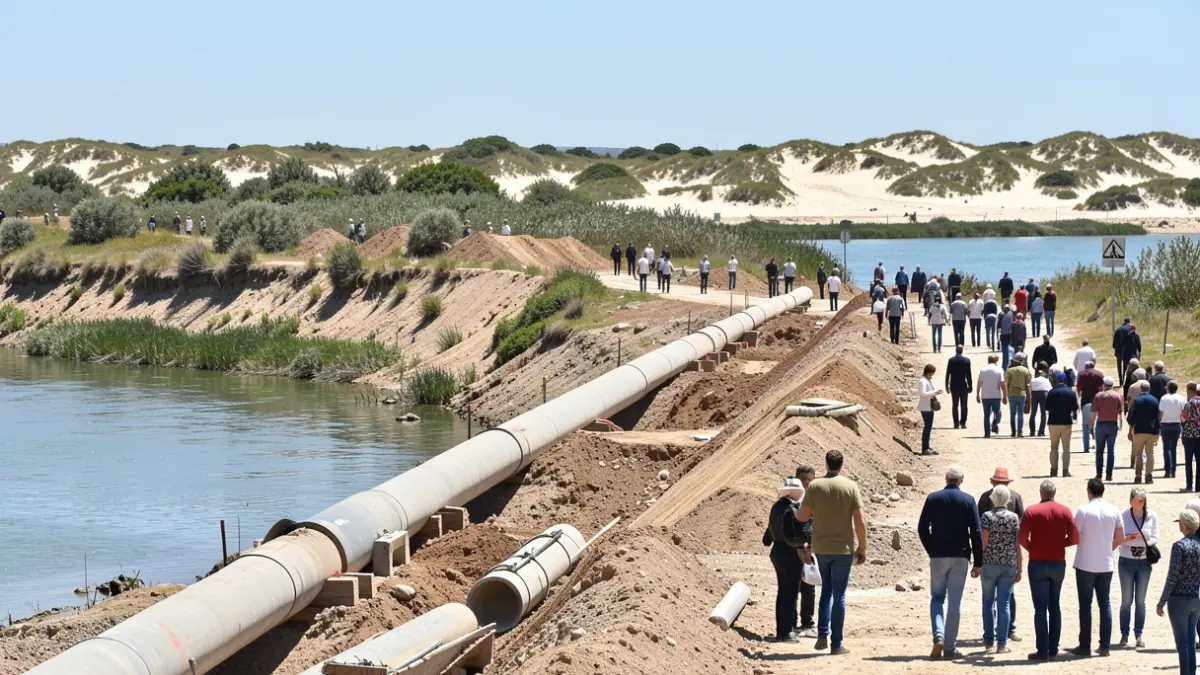
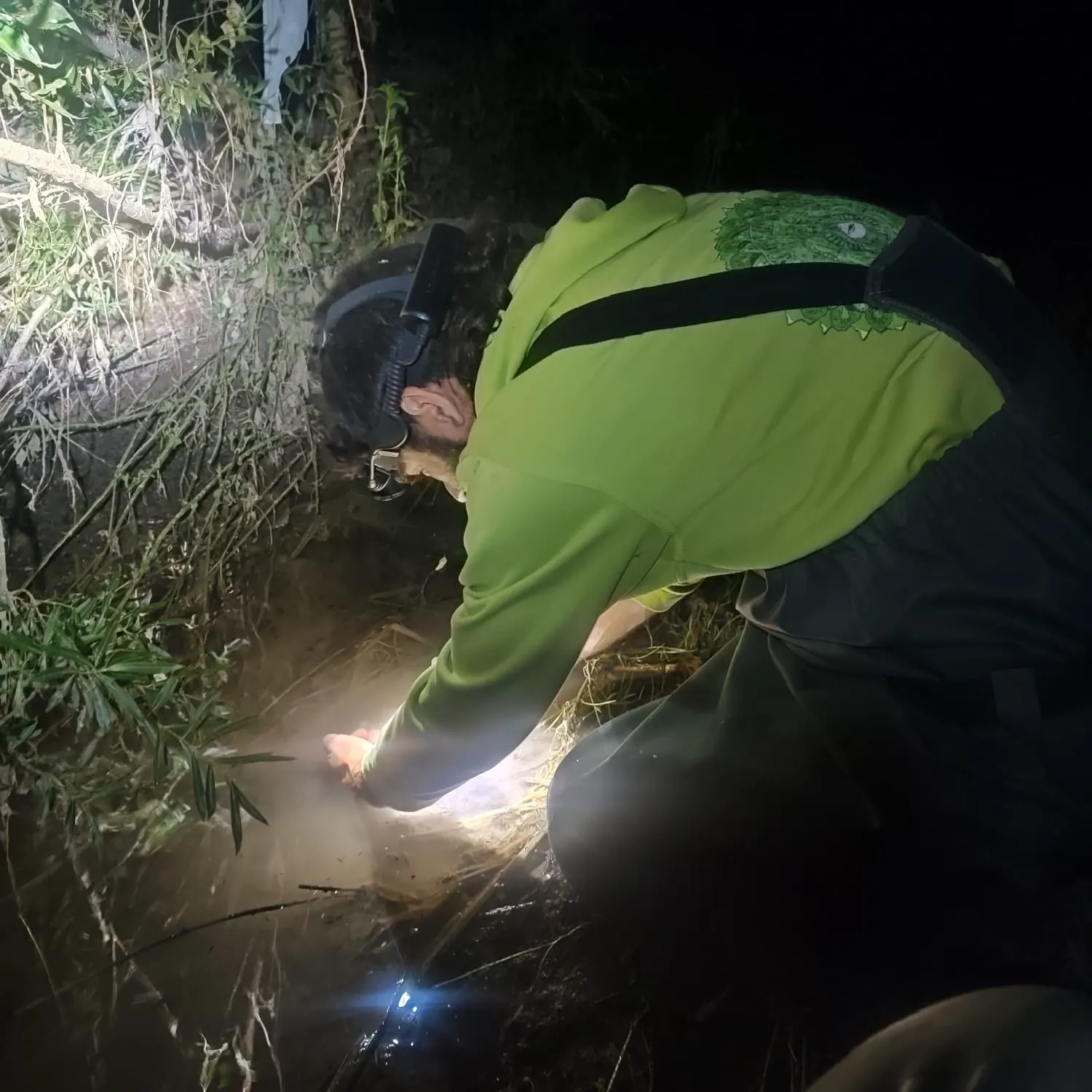
The amphibian monitoring campaign along the Ter River banks, carried out in 2026, has identified a richness of up to 10 species (7 anurans and 3 urodeles) across 25 surveyed locations. The study focused on the "Sistema Transversal Català" area, between Sant Joan de les Abadesses and Torelló, as well as the Natura 2000 network site "Riberes del Baix Ter", including initial surveys and periodic monitoring. The initiative received financial support from the Generalitat de Catalunya.
The most frequently found species were the painted frog (Discoglossus pictus) and the Coronellae toad (Alytes almogavarii), detected in 68% of the locations. The Perez's frog (Pelophylax perezi) was found in 60% of the sites, and the common toad (Bufo spinosus) in 44%. The ponds and wetlands in Bescanó, along with the conservation areas of Sant Gregori and Girona, are consolidating as key sites for amphibian biodiversity conservation.
The report also notes a low amphibian density in some areas, such as Matabosc, although isolated individuals of midwife toad and salamander were detected. It is recommended to improve existing water points and create new ones, as well as enhance ecological connectivity in areas like El Roig, to support the reproduction of these species, which are globally threatened by habitat loss, invasive species, and pollution.
The Consorci del Ter manages one of the longest series of standardized amphibian monitoring data in Catalonia, initiated in 2010. These robust datasets allow for the calculation of population trends and the design of effective conservation measures for amphibian fauna in the region.