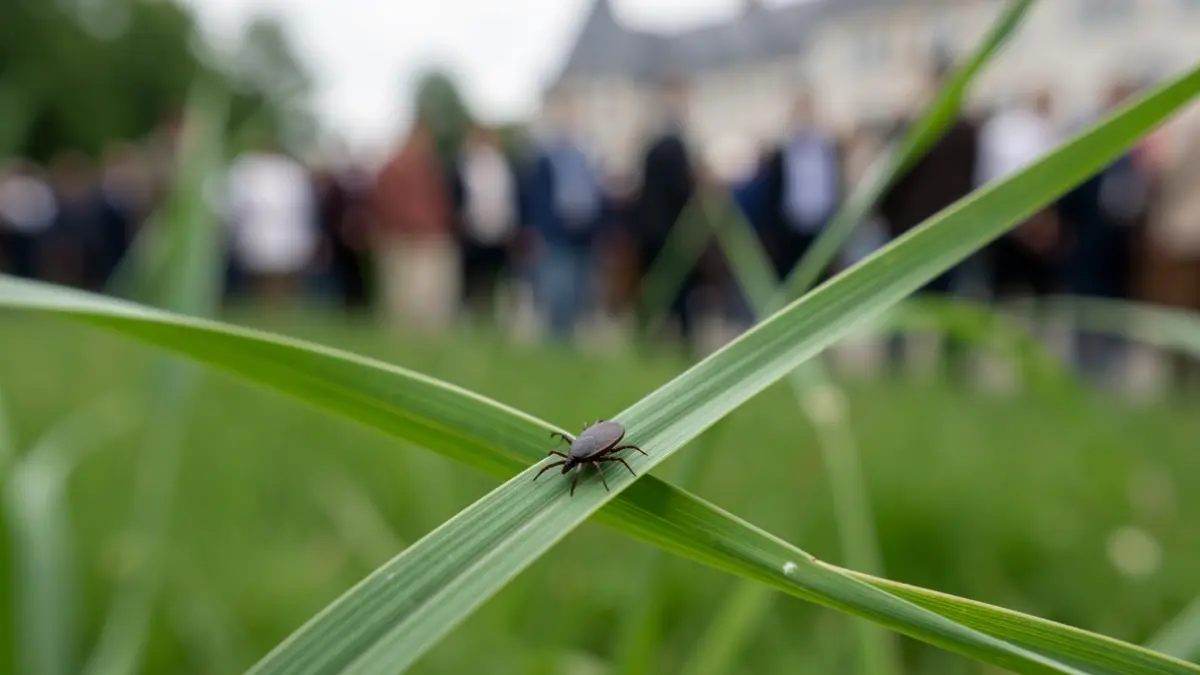
Four years ago, Jordi Centelles, a resident of Sant Pau de Segúries (Garrotxa), was bitten by two ticks that would change his life. This parasite, once uncommon in the Mediterranean climate, has adapted to the region, increasing the risk of infection by the bacterium Borrelia burgdorferi.
Infection by Borrelia, if not treated promptly with antibiotics, can lead to severe and persistent symptoms. Centelles describes a devastating experience: extreme fatigue, intense generalized pain in joints and the nervous system, organ inflammation, spasms, neurological issues like 'brain fog,' migraines, concentration difficulties, and visual and digestive problems.
After overcoming the most acute physical effects, Centelles now faces psychological consequences, determined to reverse them. He previously worked in the field of Excel and now, despite difficulties, is learning to add and aims to publish a manual about his experience.
His passion for physical exercise, including a cycling trip across the Pyrenees in 2021, contrasted with the weakness he began to feel in February 2023. A second tick bite in Olot and a third at Coll de Canes worsened his condition, coinciding with fever episodes and severe bronchitis that affected his lungs.
The definitive diagnosis, in mid-2025, revealed central nervous system diseases, often invisible and difficult to detect in conventional blood tests. The influence of Lyme disease, explained by motorcyclist Laia Sanz, was key for Centelles to understand his memory problems and constant feeling of malaise.
As a self-employed worker, sick leave was not an initial option. Despite his dedication to IT training, lack of energy forced him to drastically reduce his activity. His primary care physician initially suggested depression, but Centelles persisted in seeking a physical explanation for his decline.
The disease, described as 'the great imitator,' is characterized by the bacterium Borrelia's ability to constantly change, evading the immune response. This allows other infections like herpes, mononucleosis, or persistent Covid to worsen, creating a complex and debilitating picture.
Centelles laments the lack of knowledge about Lyme disease among some primary care physicians, contrasting with the specialization of dermatologists. Early antibiotic treatment could have prevented his long ordeal.
Currently, Centelles is physically better but with neurological sequelae. He participates in rehabilitation programs and studies, although Social Security diagnoses him with fibromyalgia, chronic fatigue, and persistent Covid, diseases considered incurable. His fight continues, seeking solutions to regain a normal life.
His financial situation has been severely impacted, forcing him to sell his car, a house in Olot, and a motorhome. Despite the obstacles, Centelles refuses to accept inactivity and is convinced he can reverse his situation, stating, 'I will get better, and they just don't know it yet'.