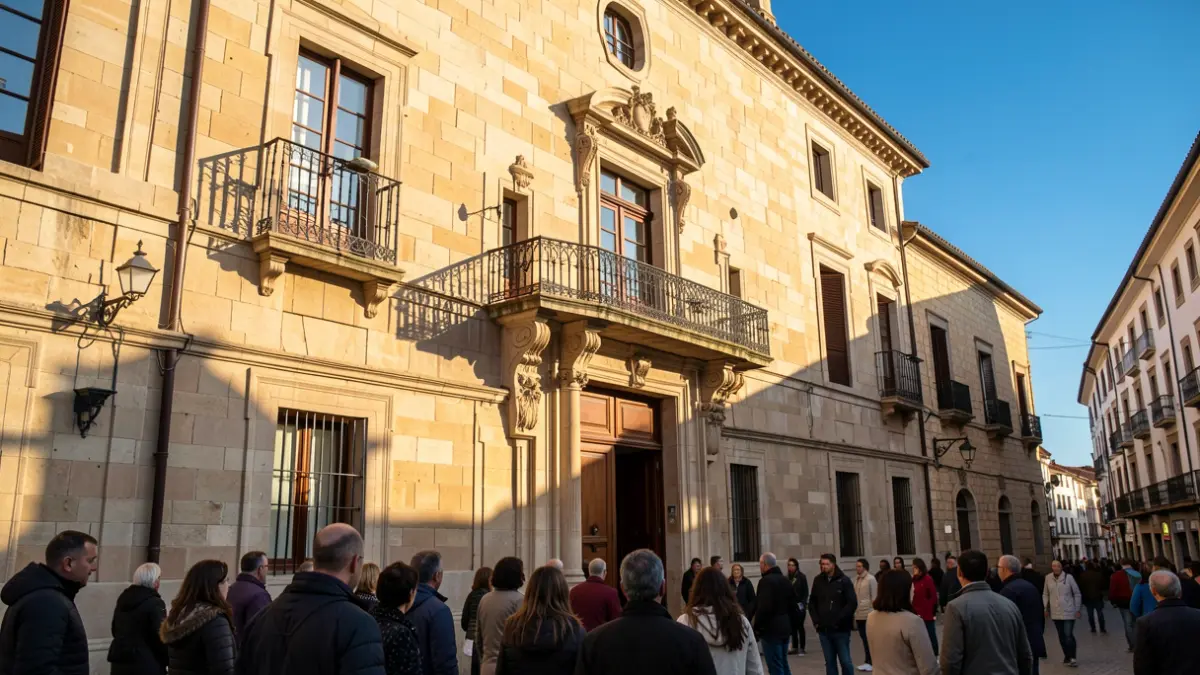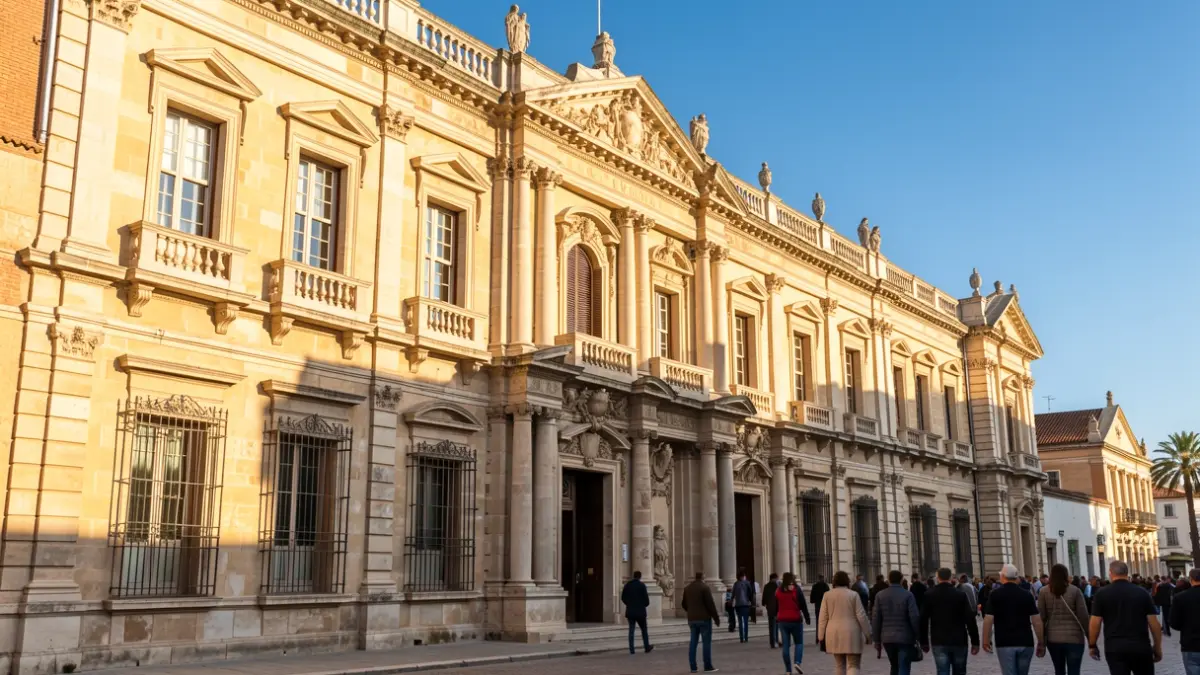
The Renaissance palace of Can Don Joan, dating from the 16th century and located in Vinebre (Ribera d’Ebre), has completed the first phase of its musealization project after fifteen years since the recovery of the historic building began. This initiative aims to bring visitors closer to the history of the Domènech-Martí lineages and highlight the social and cultural heritage of the town and the region. Through exhibition resources, audiovisuals, and technology, along with original furniture and objects, an immersive experience is offered to understand the life and society of the era.
The president of the Comarcal Council, Francesc Barbero, states, "The small palace perfectly explains the transition of this minor rural nobility towards the new economy." The Vinebre City Council acquired the property for its restoration. The first phase of musealization includes the access porch, central courtyard, lobby, several administrative rooms, the main dining room and its auxiliary areas, as well as the first-floor lobby and the chapel adjacent to the main hall.
The musealization has been promoted by the Consorci de Polítiques Ambientals de les Terres de l’Ebre (COPATE) with a cost of 80,000 euros, funded by Next Generation funds through the Sustainable Tourism Plan for Destinations. The company Òptim Studio SL carried out the work over the last year and a half.
The manager of Òptim Studio SL, Martí Pros, explains that historical documentation of the house was researched and reproduced, creating videos with characters from different eras and a third audiovisual featuring paintings by Josep Maria Martí Garcés, a notable painter in the family's history.
Pros highlights the uniqueness of the palace in the Terres de l’Ebre, narrating the history of the Domènech (agricultural) and Martí (from Barcelona, linked to the Universal Exposition and patronage) families. The building illustrates the transformation from rural bourgeoisie to commerce and the new economy, including investments in the railway, he notes.
With the inauguration, COPATE and the City Council aim to enhance the historical and cultural heritage and strengthen the tourism offerings of the inland regions of the Ebro. Mayor Sandra Rico celebrates the town's pride in being able to show the house to visitors and schools.
Francesc Barbero emphasizes that the project provides the region with tourism opportunities and values the past, citizen self-esteem, and perseverance in heritage recovery.
The current musealization focuses on two main rooms on the first floor, reserved for a future expansion linked to the archaeological site of Sant Miquel.
Ca Don Joan is a large manor house of 600 square meters spread over four floors, located in the first historic expansion of Vinebre. It preserves architectural and decorative elements, as well as spaces related to domestic life and agricultural activities, particularly wine production.
Experts highlight the central courtyard, monumental staircase, facades, decorative components, and wall paintings. The building retains much of the family's historical furniture and significant documentary heritage, currently housed in the Arxiu Comarcal de la Ribera d’Ebre.