The initiative is part of the CAVIFOREST project, which combines the CTFC's expertise in forest ecology with Eurecat's capabilities in technological development. Accessories for chainsaws, complements for electric drills, specialized bits, and adapters for forestry machinery have been created, incorporating Internet of Things (IoT) technologies to improve precision and safety.
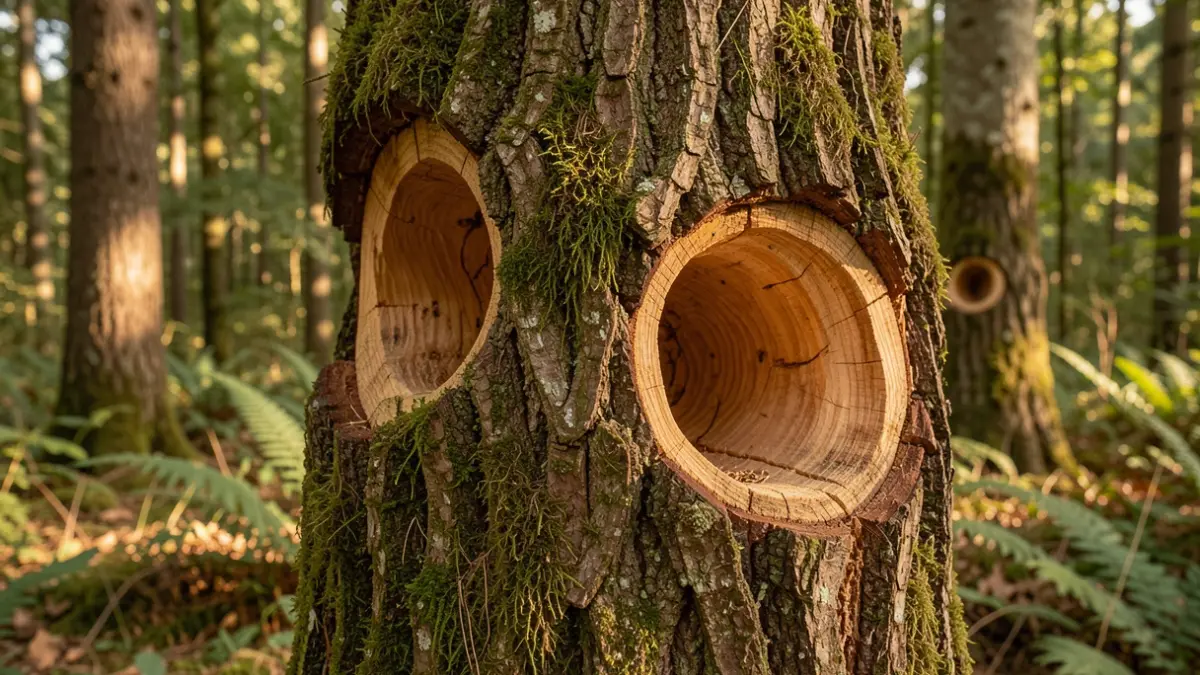
The goal was to explore new strategies for increasing microhabitat presence through the creation of artificial cavities. Eurecat has analyzed and validated various tools, developing new heads and adapters that optimize the process, making it faster, safer, and easier to apply in forest environments.
Concurrently, the CTFC has conducted an exhaustive biological monitoring to assess the actual use of these cavities by fauna, particularly birds and bats, but also insects, small mammals, reptiles, and arachnids. Techniques such as camera trapping and bioacoustics have been used to compare fauna before and several years after the intervention.
Results indicate that creating cavities can be an effective tool for enhancing biodiversity as forests mature, developing more large trees, natural cavities, and deadwood, which are essential for richer and more resilient forest ecosystems.
Cavity-dwelling fauna is a key component of forest biodiversity, contributing to insect control and seed dispersal. However, the lack of large, old trees in many Mediterranean forests severely limits natural cavity availability, and nest boxes are not always sufficient.