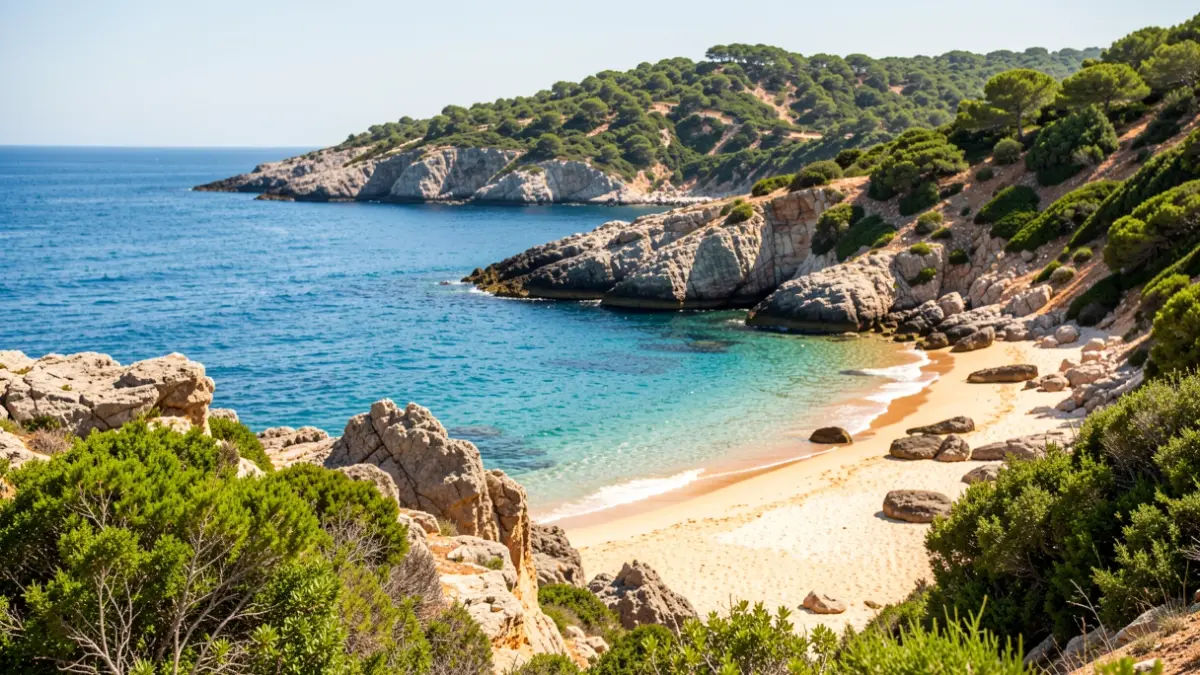
Cap Salou, one of Catalonia's most unique ecosystems, is the setting for a new edition of the Bioblitz, a citizen science initiative now in its fifth year. This event, taking place on June 20th at Platja Llarga and Platja del Porroig, offers a unique opportunity for everyone to observe and document local flora and fauna under the guidance of specialized professionals.
The event, spanning twelve hours, includes activities focused on micromammals, butterflies, algae, lichens, terrestrial invertebrates, underwater fauna, and even bats. Early participants have already had the chance to admire and photograph various bird species, such as European serins, Coal tits, and Sardinian warblers, thanks to a bird-ringing session.
“"It's not just about looking and learning, but about recording all the species present in Cap Salou. With the collected data, we create biodiversity reports and upload the species to INaturalist, a citizen science application."
Initiatives like the Bioblitz help discover species of threatened flora or birds whose presence was previously unknown in the area. These events highlight biological groups that often receive less attention due to a lack of research funding. Previous editions have documented lichens, marine mollusks, sea slugs, and unique spiders, as well as mapped threatened plant species like the coastal juniper or sea lavender.
According to Eduard Soler, manager of Limonium, the complex terrain and location of Cap Salou, a land extension reaching into the sea with dunes, rocks, and water, contribute to its remarkable diversity. Eugeni Capella, ornithologist and technician for the Salou City Council, points out that some species are found only in this part of Catalonia.
Birds observed in the morning were temporarily caught using nets for measurement and ringing, providing data on migration, age, and life expectancy. This close-up observation, almost at arm's length, contrasts with the usual view through binoculars.
“"Going out to observe animals helps people live and age better. It encourages spending more time outdoors, walking, paying attention to movements, and staying alert to new discoveries; it activates the brain and body, ultimately contributing to health."