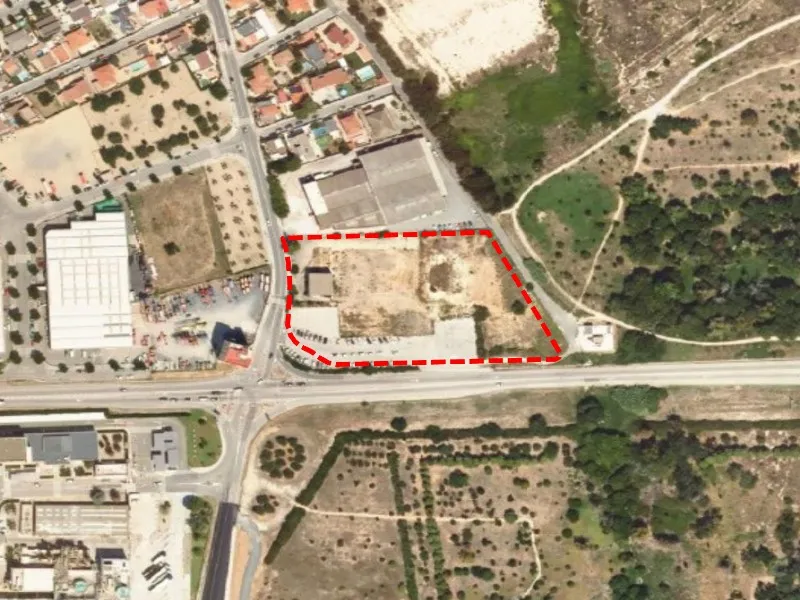
The 1.15-hectare area, to be classified as a public initiative facility, will accommodate technological, scientific, and industrial research, as well as complementary uses such as parking, a bar-restaurant, and offices associated with the Centre. The Minister of Territory, Housing, and Ecological Transition, Sílvia Paneque, highlighted the project's importance for the entire metropolitan area of Camp de Tarragona, considering it a future hub for industrial decarbonisation research. She noted that the location is situated on a significant civic axis of the N-340a between Vila-seca, La Canonja, and Tarragona.
The mayor of La Canonja, Roc Muñoz, positively assessed the step forward, emphasizing that the project is strategic for the municipality and the Camp de Tarragona region, aiming to make La Canonja a reference point in the transformation and innovation of the chemical industry. The proximity between the research centre and companies in the sector is expected to foster collaboration, drive R&D projects, and generate economic and employment opportunities, promoting a more innovative, competitive, and sustainable industry.
The area, which groups three municipal plots, is located between Camí de les Pletes, the old N-340a road, Avinguda de la Pineda, and the economic activity zone. Only 1.15 hectares (11,558.22 m2) will have their classification changed, moving from service-tertiary and medium industry use zones to a community technological-industrial facility system, a newly created classification.
This centre will be dedicated to scientific, technological, and industrial research and development activities, without productive industrial uses, and with personnel comparable to the chemical industry. It includes complementary uses such as catering and offices under 5,000 m2, exclusively for the centre's users.