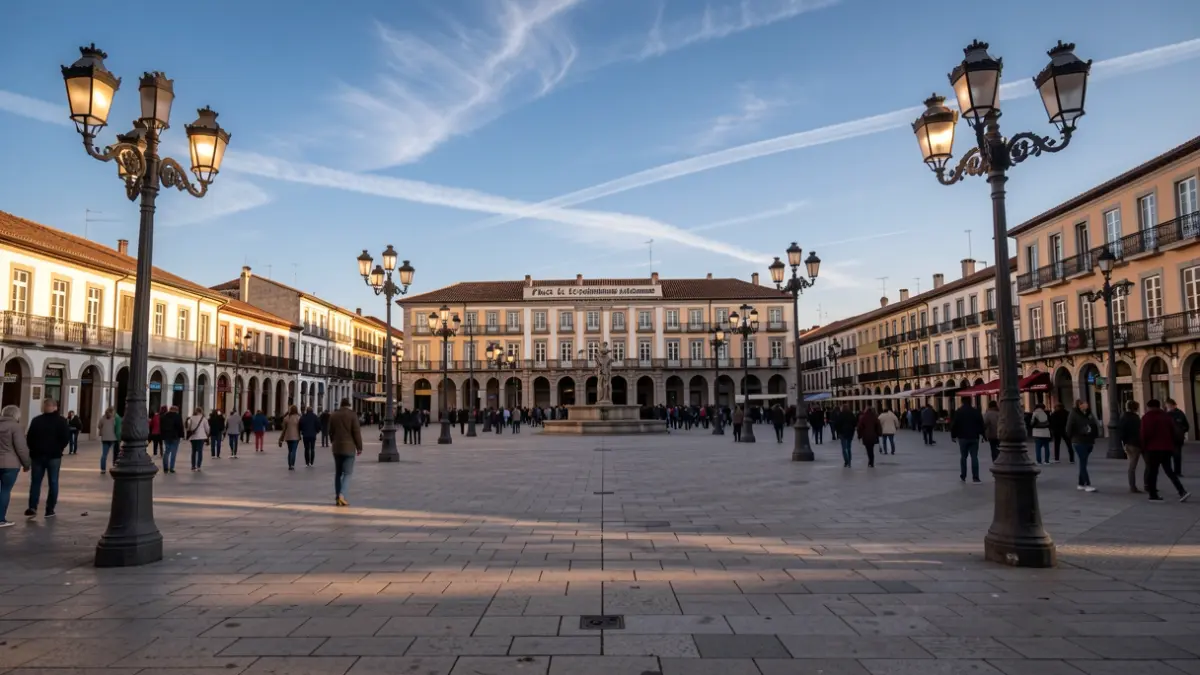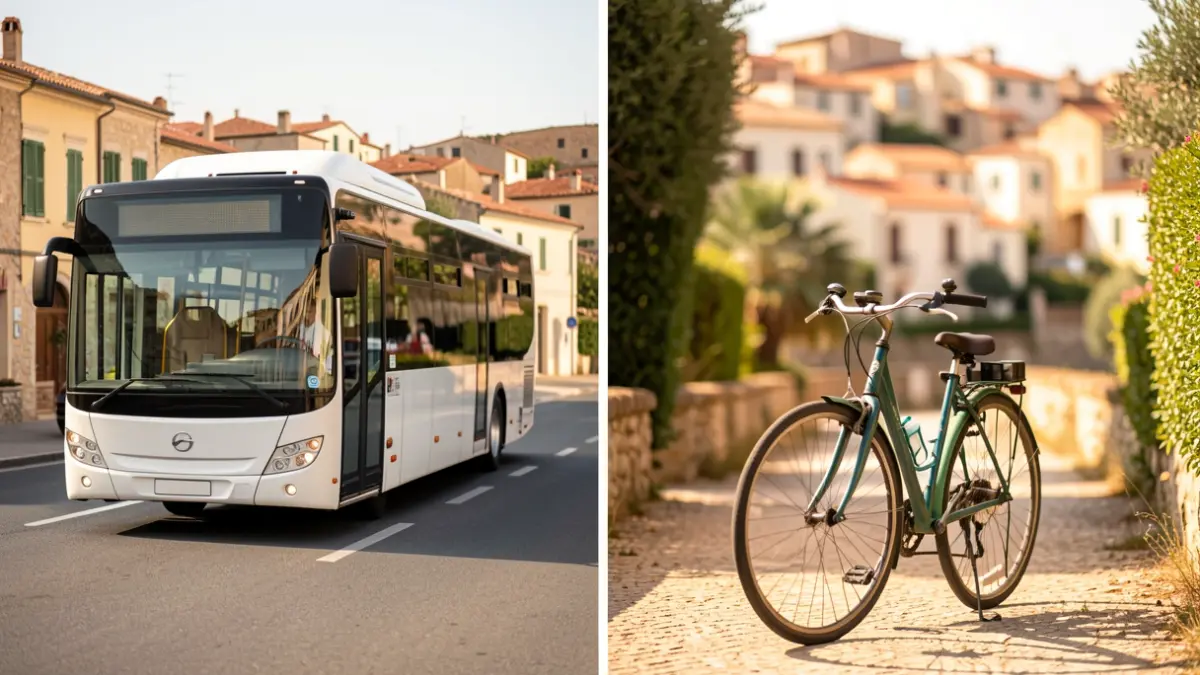
Yesterday marked the 13th Camp de Tarragona Transport Race, an initiative organized by PTP · Public Transport Promotion and ATM Camp de Tarragona, with the collaboration of several municipalities in the region. The event tested 24 real journeys from 10 different municipalities, all with the same arrival point: the bus station in Tarragona.
The race allowed for a comparison of key aspects such as travel time and CO₂ emissions per person, highlighting the differences between various mobility alternatives. Preliminary results suggest that sustainable transport modes are increasingly competitive in terms of travel time.
On some routes, sustainable modes outperformed private cars in speed. In Altafulla and Reus, the bus was faster. In Vila-seca, the train arrived 10 minutes earlier than the car, and in Salou, the electric bicycle was 4 minutes faster. Furthermore, in none of the nine routes involving a car was it the option with the lowest CO₂ emissions.
These practical experiences are crucial for analyzing daily mobility and advancing towards a more sustainable, efficient, and competitive transport system in Camp de Tarragona. The PTP played a key role in organizing this initiative.