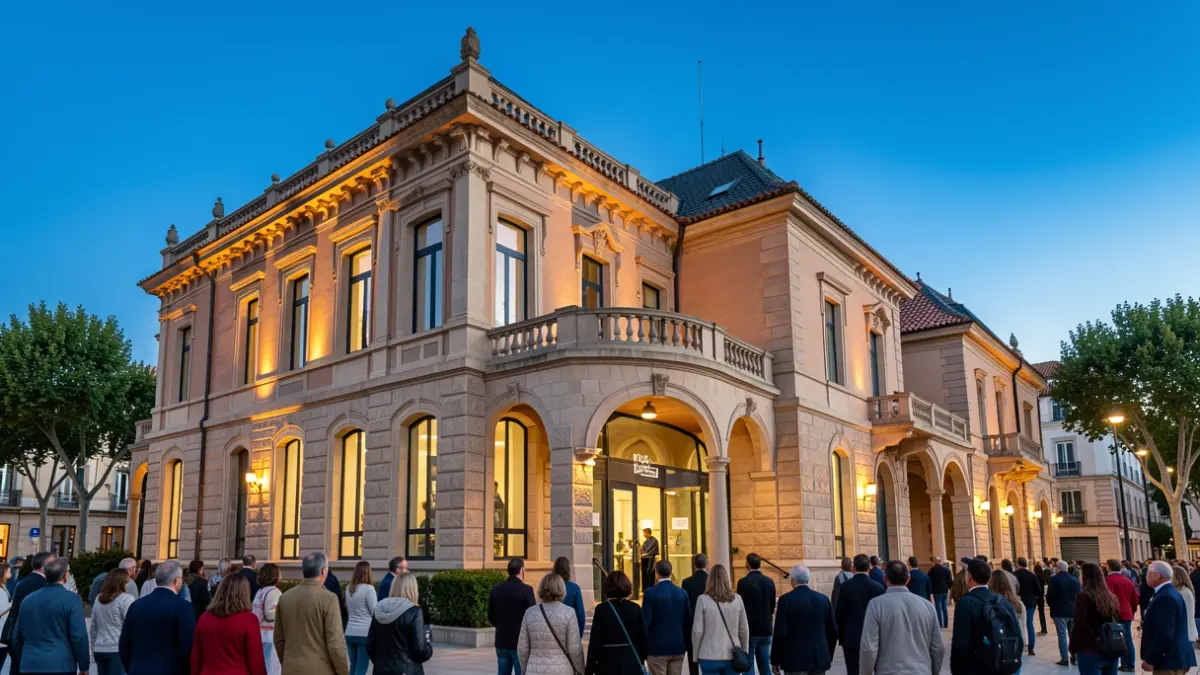
The decision, aimed at improving security and police coordination in the city, passed with the abstention of Vox. The mayor of Tarragona, Rubén Viñuales, described the news as "very good" for the city, highlighting the pioneering nature of the future facility and expressing pride in the local police force.
From the opposition, the spokesperson for En Comú Podem, Jordi Collado, expressed doubts about the functionality of a station that does not offer services independently, while Jordi Sendra (Junts per Catalunya) emphasized the importance of collaboration between police forces to combat crime, particularly repeat offenders. The PP welcomed the step and recalled its proposal for five neighborhood police stations.
The plenary session also approved two institutional declarations: one for the elimination of asbestos and another supporting the declaration of Critical Chemical Site for Tarragona's petrochemical sector. Additionally, motions were passed regarding the defense of industrial employment at DOW Chemical Tarragona and the recovery of the Bons Estiu (Summer Vouchers).
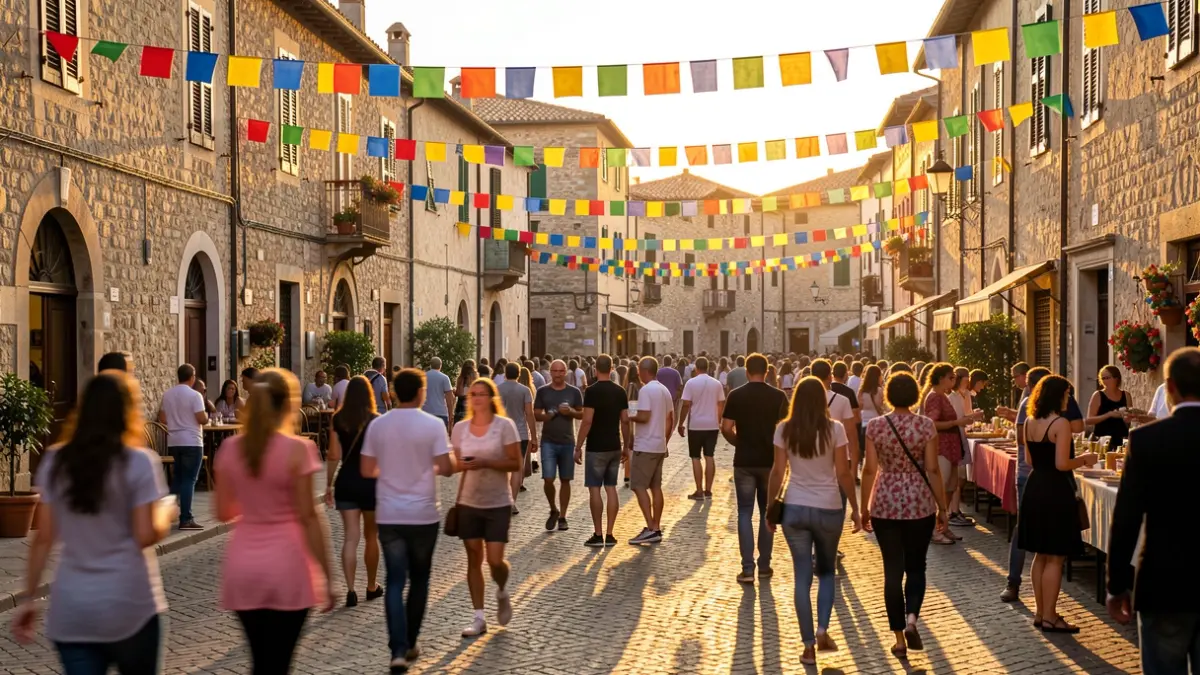
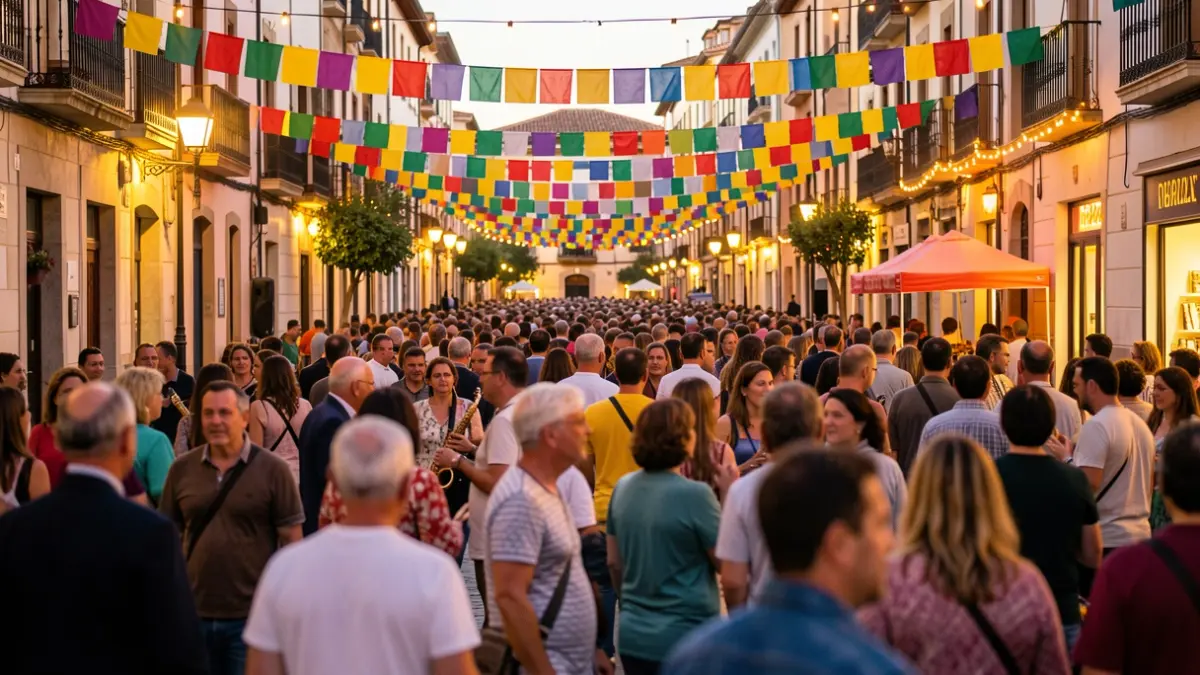
The controversy surrounding the location of the Barraques festival also featured in the debate. En Comú Podem and ERC argued that the event should remain at the passeig de les Palmeres. Representatives of Barraques attended the session and voiced their protest. In response, Mayor Viñuales and the Councilor for Culture, Sandra Ramos, stated that alternative locations have been offered, such as the area in front of the Recinte Palau Firal i de Congressos.
Finally, the plenary debated and unanimously approved a motion by ERC to reject large acoustic screens along Tarragona's coastline and to demand an inland freight railway route. In this regard, Mayor Viñuales called for "unity" to prevent such screens from being built.