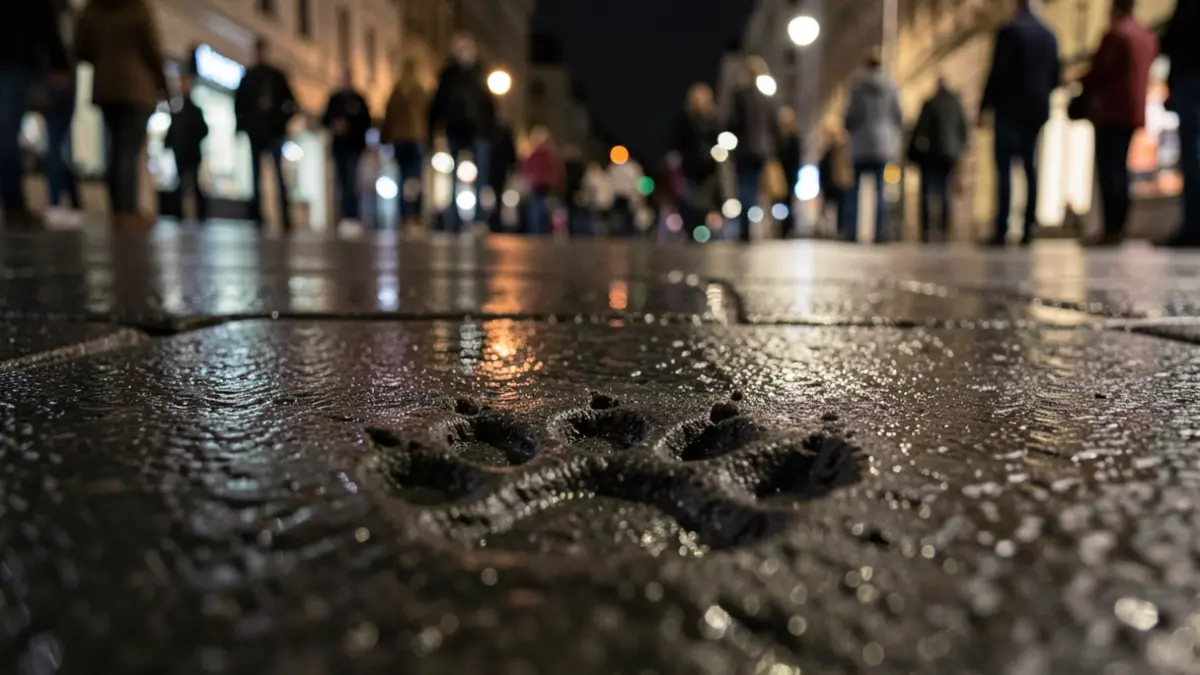
Since the end of September, three weekly sweeps have been conducted to collect dog excrement samples from the city's streets and neighborhoods. So far, 280 DNA samples have been collected, six of which have tested positive, meaning a genetic match has been found between the excrement and a dog registered in the municipal database.
The Councilor for Cleaning, Sonia Orts, highlighted the success of the campaign, launched in February of this year, and expressed confidence in reversing the problem through collective effort. The results achieved in these two months are considered "spectacular" and lend credibility to the initiative.
The sample collection follows strict technical protocols to ensure the validity of the analyses. Authorized personnel use sterile equipment to collect samples, which are identified with a unique code and documented to ensure traceability. Subsequently, they are transported to the laboratory under optimal conditions to preserve integrity and prevent contamination, adhering to international canine genetic identification standards.
These analyses allow for the determination of whether the excrement belongs to a registered dog or not, enabling the application of appropriate municipal measures for unregistered animals. Test results are typically available within approximately 15 to 30 days.