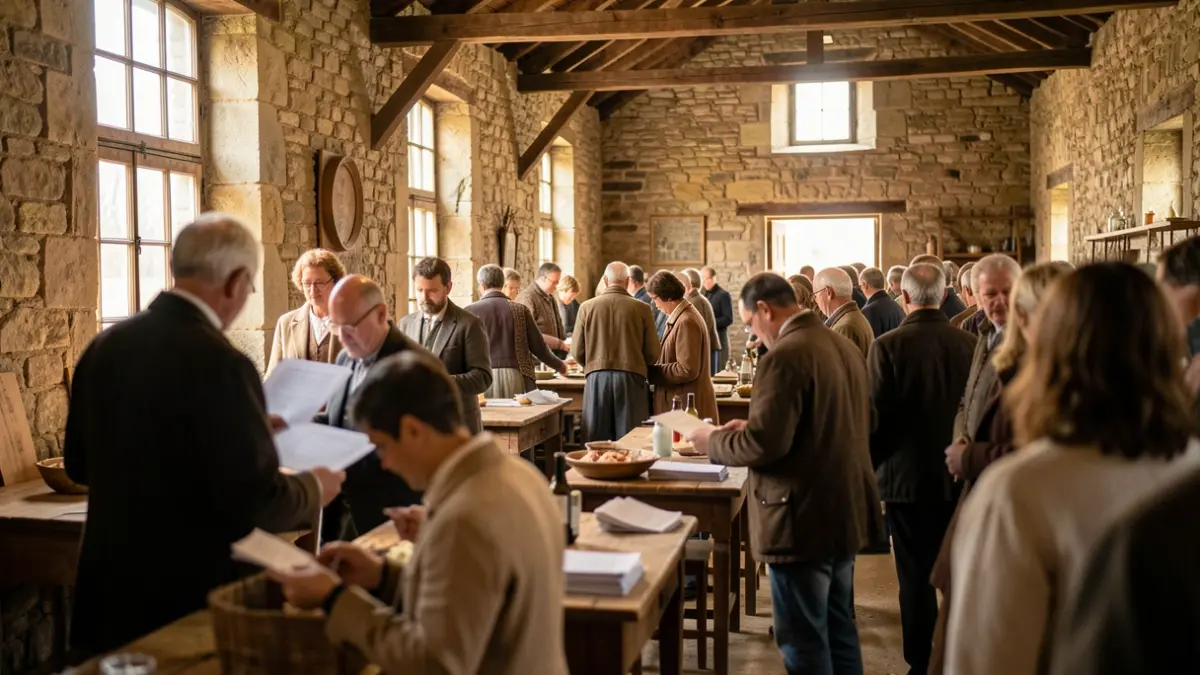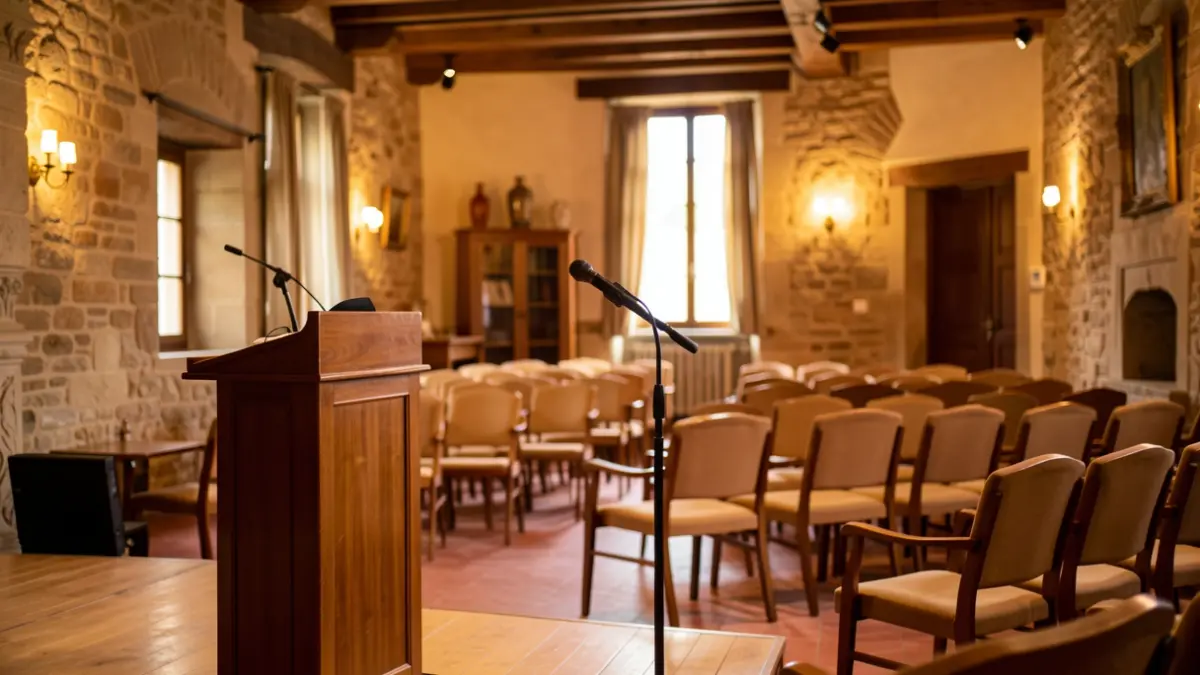
The Assembly Hall of the Diocesan Seminary of La Seu d’Urgell hosted the presentation of the FOESSA report on social exclusion, with the attendance of about seventy institutional representatives and social entities. The event included the participation of figures such as the councilor of the City Council of La Seu d’Urgell, Jordi Mas, the ombudswoman, Anna Martí, and the vice-president of the Comarcal Council, Mireia Tarrats.
Chaired by the president of Cáritas d’Urgell and Bishop of the diocese, Josep-Lluís Serrano Pentinat, the presentation emphasized the situation in the Diocese of Urgell, where Cáritas has supported 982 households and 2,060 people. In Catalonia, 1 in 3 people live in a precarious integration situation, while in the Bishopric of Urgell, almost 20% of people assisted by Cáritas work but cannot cover family expenses. The study estimates that 1,351,000 people (17% of the Catalan population) are in social exclusion.
The report highlights housing as the main factor of inequality. In Catalonia, 568,000 households suffer from housing precariousness. 13.3% of the population falls into extreme poverty after paying housing expenses, and 12.6% live in severe overcrowding. In the Diocese of Urgell, 65% of those needing support live in rented accommodation without being able to meet expenses, and 5% own a home with difficulties.
Job precariousness is another driver of social fracture, affecting 1.4 million people in Catalonia. The report indicates that "working no longer saves you from exclusion," as 55.4% of people in social exclusion live in households where the main earner works.
The study also warns of the increase in social isolation, which has quadrupled (from 4% to 16%), and the deterioration of physical and mental health. Women and migrant individuals are the most affected groups by exclusion, as are children and adolescents, with 1 in 3 in a state of exclusion.
Presenters Miriam Feu and Neus Puigsubirà concluded that "people don't fail, the system fails" and called for comprehensive policies, especially in housing, protection of children and youth, and the promotion of community ties.