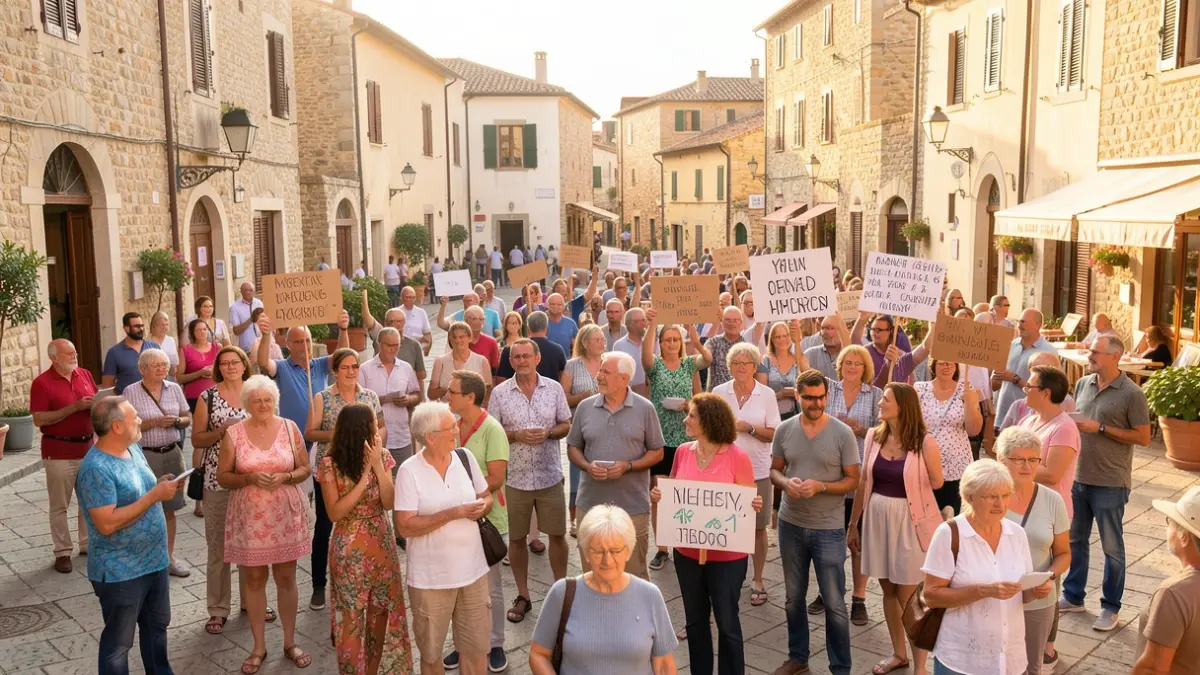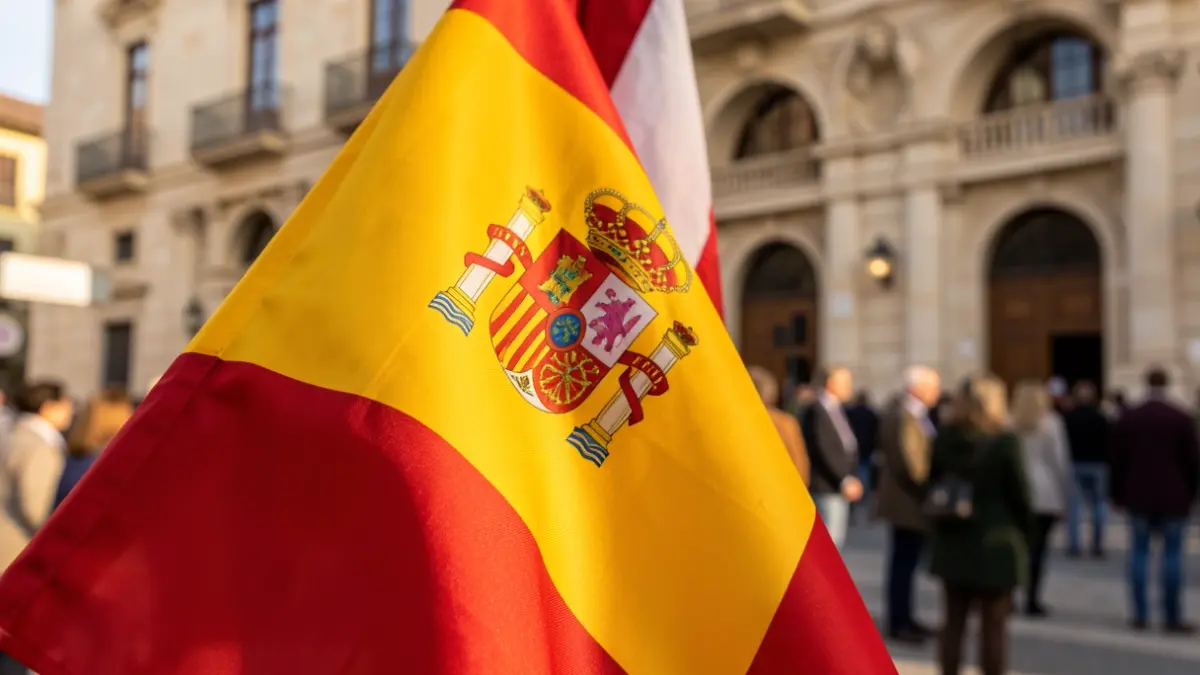
The demonstration, coinciding with Ceuta Day, aims to show support for the autonomous city, which has experienced growing tension since late July following the arrival of thousands of people. The PP's slogan is 'Todos con Ceuta' (All with Ceuta), while Vox uses 'No a la invasión; defiende Ceuta; defiende España' (No to invasion; defend Ceuta; defend Spain).
The spokesperson for the PP in Sabadell, Cuca Santos, stated that "Ceuta's residents are living through an extraordinarily serious situation" and that "the debate goes far beyond a migratory issue." She emphasized Spain's right and duty to protect its borders and ensure the law is enforced, including returns and expulsions.
The FEMP initiative, chaired by the mayor of Jerez de la Frontera, María José García-Pelayo (PP), has sparked controversy. Groups like the PSOE, IU, ERC, and Junts have accused the president of acting "unilaterally" and "in a partisan manner." García-Pelayo defended that it is not a protest "against anyone," but "in favor of Ceuta" and "of Spain's unity."
In addition to Sabadell, protests have been called in other cities such as Madrid, Barcelona, Valencia, Seville, Zaragoza, Bilbao, and Badalona (with institutional support from its City Council led by Xavier García Albiol). There are also calls in Melilla, Ceuta itself, and Brussels in front of the European Parliament.
The situation in Ceuta has worsened since July 30th, when between 70,000 and 80,000 people arrived. An estimated 150 died in the Mediterranean. Around 5,000 people, including 1,500 minors, remain in the city's streets. Protesters have set fire to the migrant camp and blocked Red Cross trucks. Authorities report a "limit" situation with "severely affected commerce" and "about twenty sexual assaults."
Interior Minister Fernando Grande-Marlaska reported that about a hundred migrants have been expelled for committing crimes in Ceuta. Prime Minister Pedro Sánchez will appear before Congress on September 4th to explain the crisis.