CST's strategic director, Cristina Roure, linked the conference objectives with the Strategic Plan 2025-2028, emphasizing the goal of preserving health throughout life and embedding patient safety across all strategic lines.
From primary care, Area Director Montse Ureña highlighted the relevance of patient safety, as it serves as the entry point to the system and is the closest care level to citizens, crucial for fostering a safety culture.
Elisabet González Lao, CST's Director of Quality and Patient Safety, stated that the organization strives to ensure quality across all its care lines (primary care, mental health, intermediate, hospital, and residential), noting the advantage of inter-line coordination.
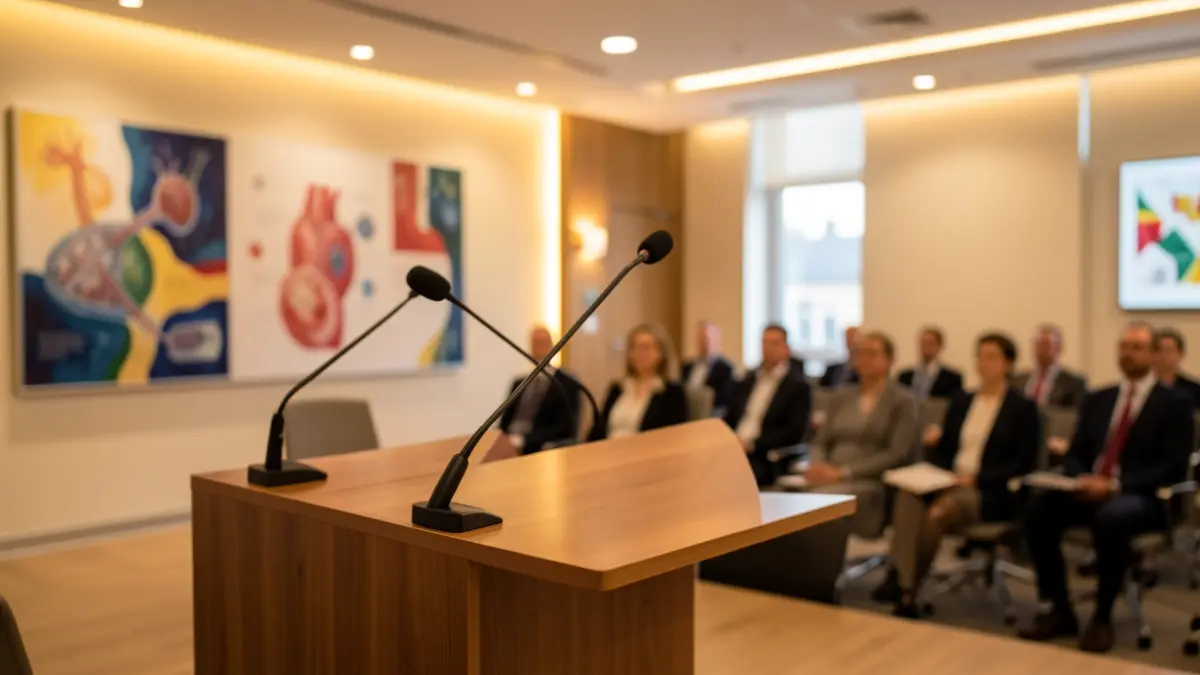
The conference featured two panel discussions. The first, moderated by Josep Tost, focused on the detection and prevention of cardiovascular and respiratory diseases, with contributions from doctors Cristóbal Navarro and Maria Dolores Silicio, and pharmacist Jordi Fernández Morato.
The second panel, presented by Beatriz Urrutia, addressed cancer and diabetes detection and prevention, with participation from Lidia Menchen (nurse), Paula Bernabeu and Gracia Natera (diabetes educator nurses), and Manolita de Juan (dentist).
In closing remarks, Beatriz Urrutia stressed the importance of patient communication, Josep Tost advocated for integrating patients into the care team and educating them, and Elisabet González Lao urged for proactivity and prioritizing prevention.
The conference aligns with World Patient Safety Day, an initiative by the World Health Organization (WHO), which this year focuses on safe care for non-communicable diseases under the slogan 'Safe care for all!'
The WHO highlights the risk of diagnostic or medication errors for patients undergoing long-term treatments and calls for strengthening primary care, professional coordination, and active patient involvement.