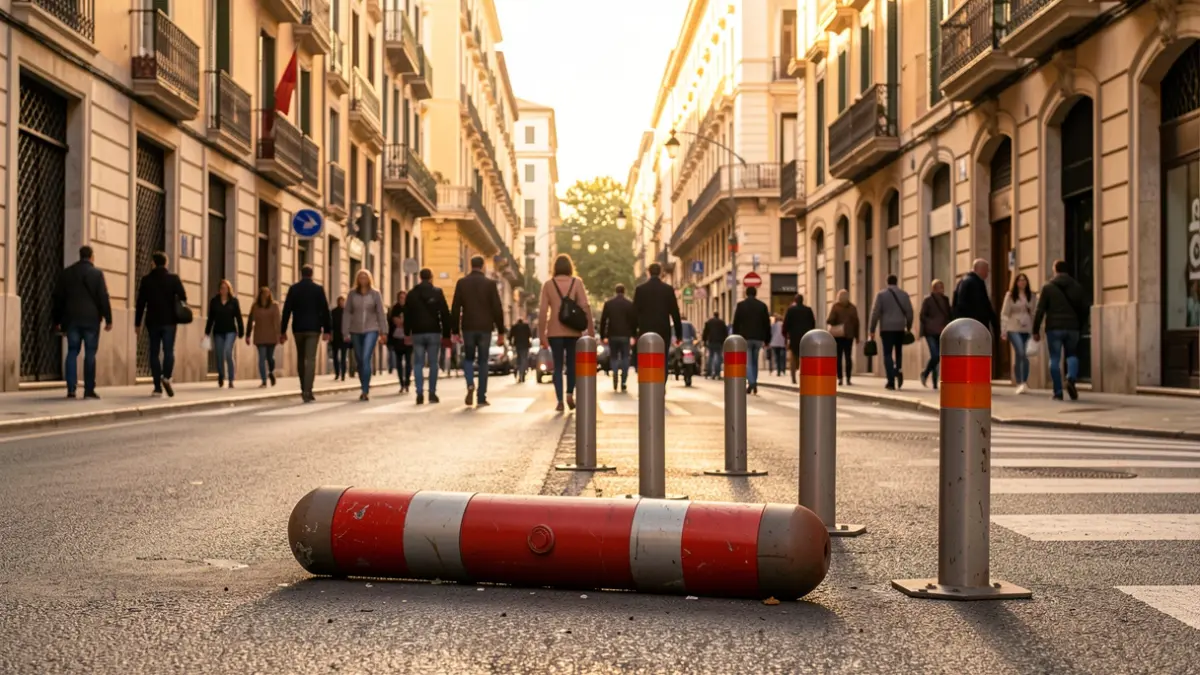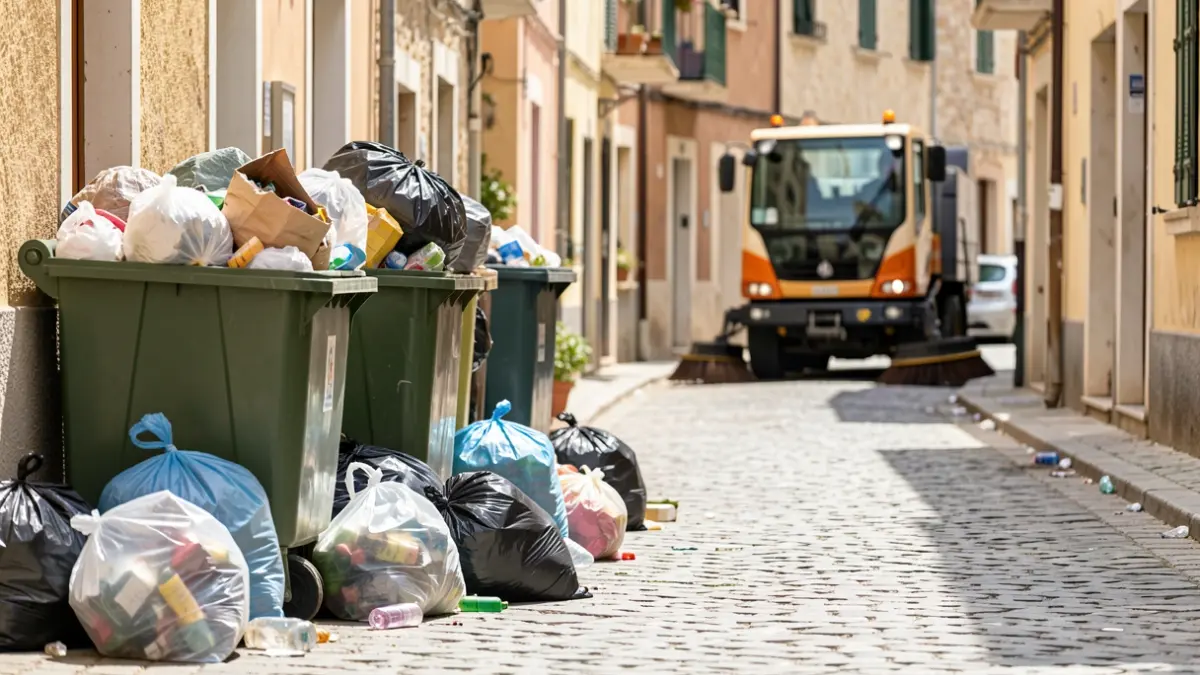
The initiatives, launched in July, have led to a notable improvement according to the Cuidem Terrassa application. Incidents related to bin areas and overflows have decreased by 64%, those concerning public bins by 56%, street cleaning complaints by 53%, sewage issues by 38%, and bin-related incidents by 35%.
The plan is structured in three phases: diagnosis, implementation of reinforcement measures, and final evaluation. Key actions include tripling collection services around bins, repairing damages, introducing new receptacles, and replacing twenty old bins. Street cleaning with high-pressure water has also been increased, and 18 new workers have been hired.
“"The improvement is being seen and is very effective. The perception is also improving."
Elena Garcia, Production Manager at Eco-Equip, confirms the visible and effective improvement, noting that public perception is also changing. However, pending actions remain before the final evaluation at the end of September. The plan, lasting three to four months, will analyze necessary structural changes, such as adding more bins or increasing collection frequencies.
The acting mayor and Councilor for Cleaning and Waste Collection, Xavier Cardona, urged citizen responsibility, stating that many problems could be avoided if waste were disposed of correctly. He emphasized the importance of keeping the city clean, especially during summer.
This plan is part of a broader strategy to adapt cleaning services to different neighborhoods, including side-loading collection in La Cogullada and La Maurina, which will extend to Can Aurell, and specific monitoring in Sant Llorenç.
Cardona highlighted that Terrassa's demographic growth (around 4,000 new residents annually) necessitates rethinking service organization, focusing on optimizing existing bins and adapting collection frequencies to each neighborhood's reality.