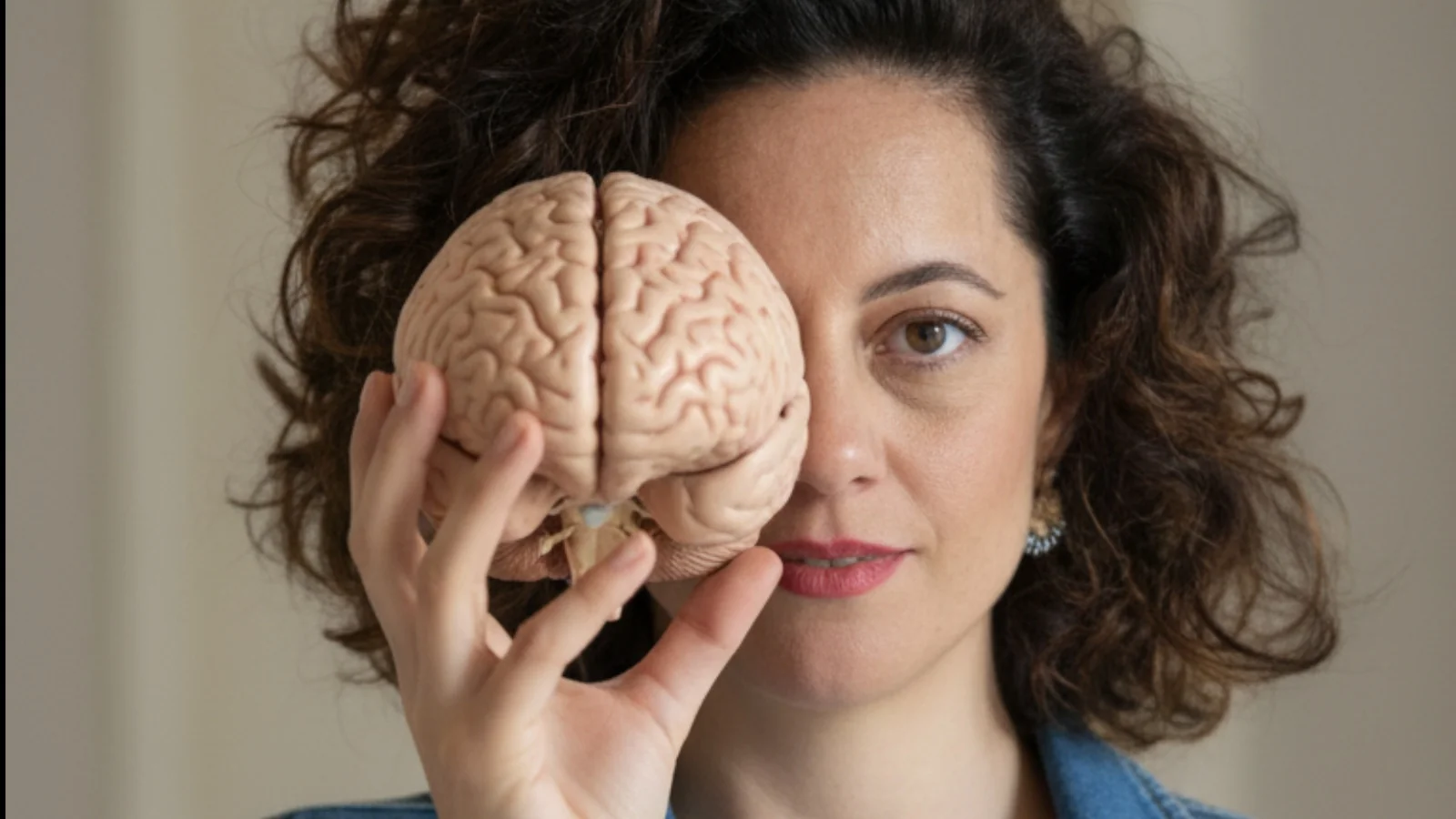
Neuroscientist Lisa Feldman Barrett, author of The Secret Life of the Brain, proposes an idea that changes how we understand emotions: they are not automatic reactions to what happens to us, but predictions that the brain constructs based on past experiences. When trauma occurs, these predictions become anchored in danger, and the brain continues to anticipate threat even when the actual situation is no longer dangerous.
This explains why many people feel anxiety, blockage, or repeat the same pattern over and over without finding a clear reason: it's not a lack of willpower, but a brain that continues to function with outdated predictions. Therefore, understanding the origin of these reactions is the first step to changing them, and that change doesn't always come just from talking about what happened.
If the brain learned danger through experience, it also needs a different experience to unlearn it, not just an explanation. At EmocionArt, in Terrassa, this understanding guides the support with various tools: IFS (Internal Family Systems), which helps to understand and heal conflicting internal parts; EMDR, which allows processing traumatic experiences through bilateral stimulation; and Somatic Experiencing, which works with trauma from the body, not just the mind. Each person needs something different, which is why the approach is adapted case by case instead of always applying the same formula.
It's not about reliving the past again and again, but about giving the brain new predictions to work with: sometimes through real experience, and other times by learning to predict what's coming in a different way. That is, in essence, the goal of any trauma support process: not to erase what was lived, but to stop anticipating it as if the danger were still present.