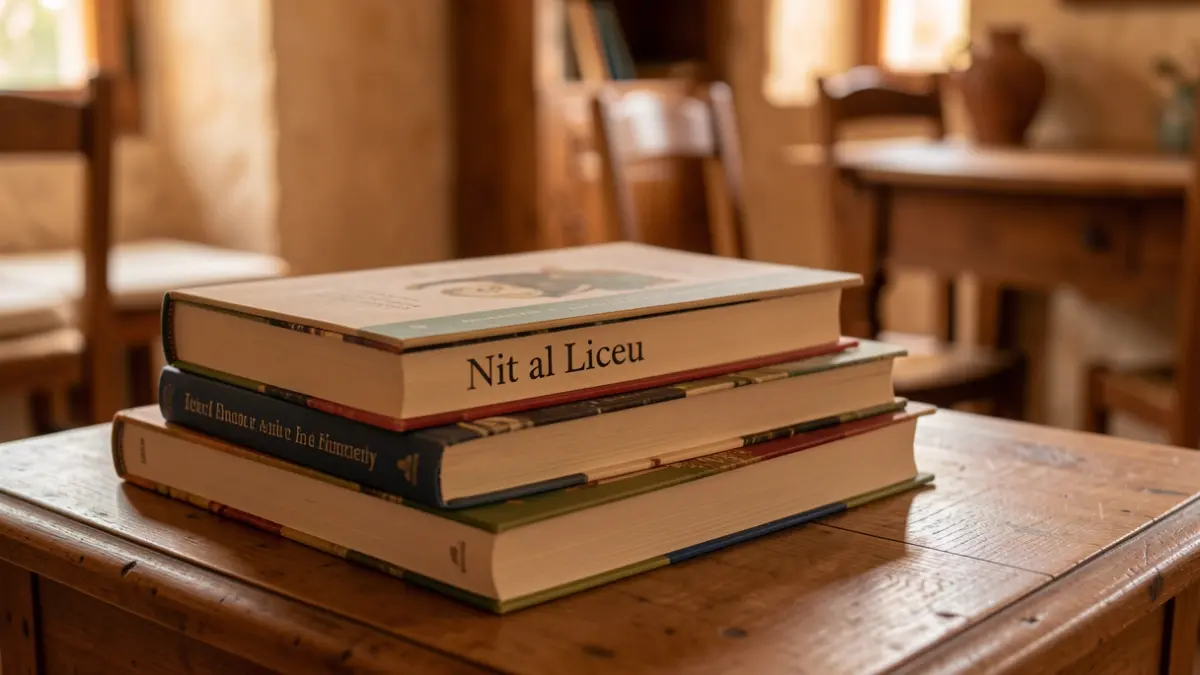
The work, which includes photographs by Martí Albesa, presents fourteen chronicle-portraits of farmers from various areas of Catalonia, showcasing different ways of understanding livestock farming and the shepherd's profession. The book aims to champion a farming model that currently goes against prevailing trends.
“"The true peasant revolt is not about wearing a badge or a t-shirt, nor is it a revolt of blocking roads or making a lot of noise, but rather a daily revolt."
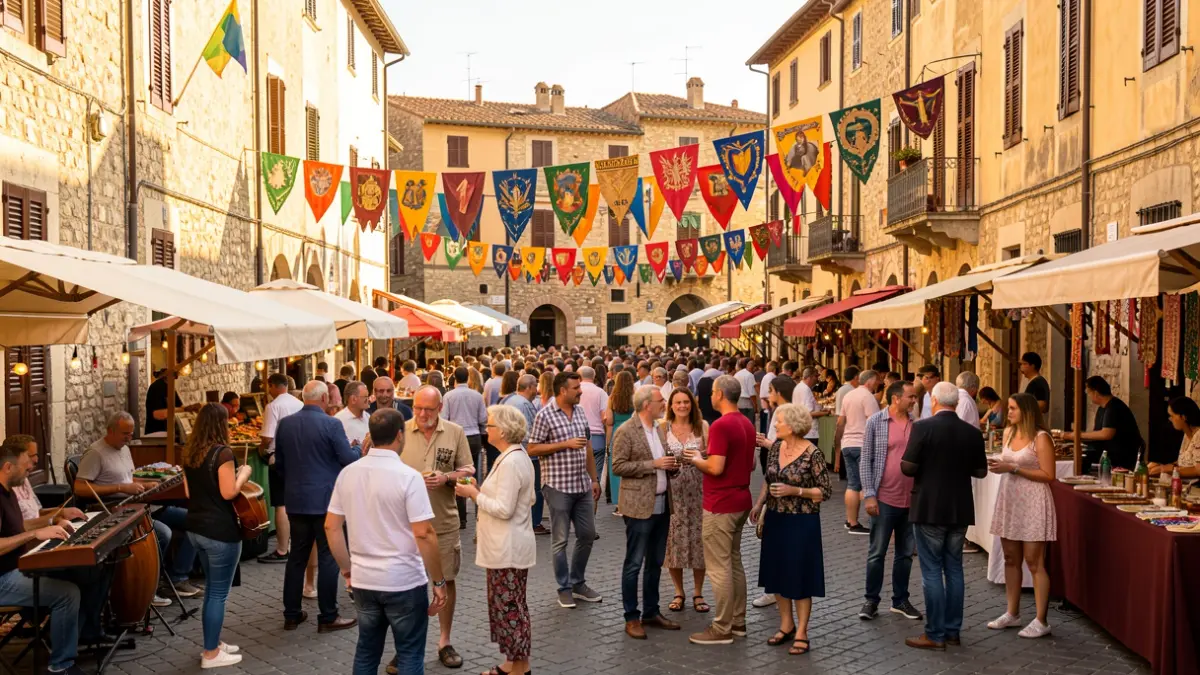
The book was presented on May 9 at the Transhumance Fair in Mollet de Peralada and will continue its presentation tour on May 23 in Olot, at the Espai Cràter, and on May 30 in Sant Andreu Salou, at the Local Social.
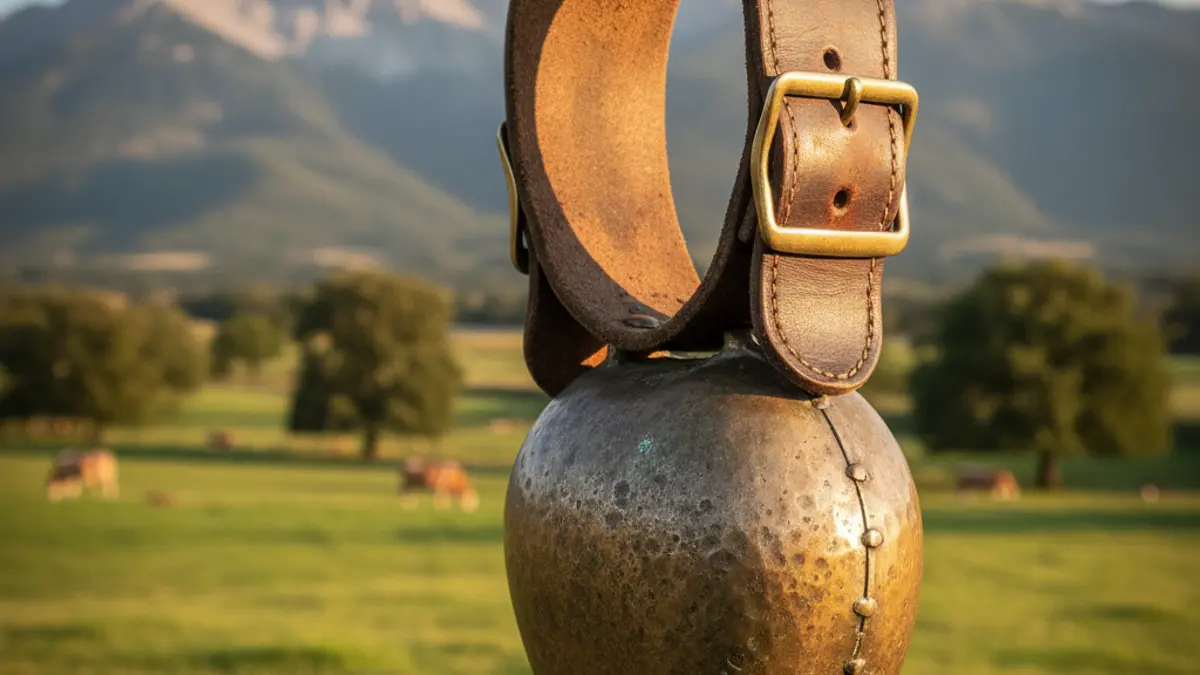
The author of the work emphasizes that the countryside is alive, and that the concept of 'esquella' (cowbell) symbolizes the continuity and persistence of an extensive livestock farming model that, despite being in danger, is essential to keep alive. This vision contrasts with the idea of 'emptied Catalonia,' arguing that more than empty places, there are 'empty voices' that have been silenced by an intensive model.
“"More than an emptied Catalonia, there are empty voices; they have wanted to empty them in favor of this intensive livestock and agriculture model that devours everything."
The book also addresses the perception of the word 'peasant,' defending that it is a profession that deserves the same respect as any other, and criticizes the tendency to romanticize rural life from the city, as well as the lack of transversal support from administrations towards small-scale farming.