It is a widespread habit among users, but technology experts warn that leaving the mobile phone connected to the charger all day or all night is counterproductive. The main recommendation is to charge the device only when necessary, either due to low battery or the need for power before leaving home.
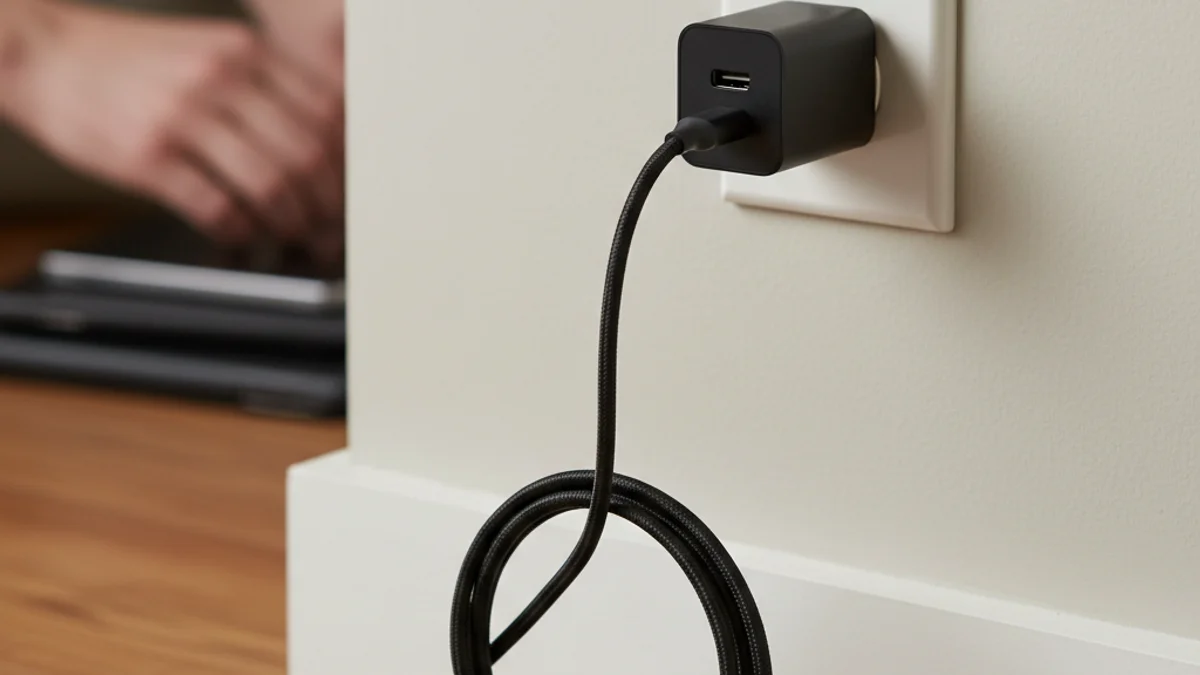
One of the main reasons to avoid prolonged charging is the so-called "phantom charge." Even if the phone is not connected to the charger, if the charger remains plugged into the wall, it continues to draw energy and stays in standby mode.
This silent consumption, similar to other resting appliances, directly translates into an increase in the price of the electricity bill. Therefore, unplugging the charger when not in use is an immediate energy-saving measure.
In addition to the economic impact, keeping the device exposed to electrical current for prolonged periods means its components are exposed longer, increasing the risk of failures. In some extreme cases, this practice can be a risk factor for short circuits.
Ultimately, to extend the useful life of the mobile phone and reduce electricity consumption, it is essential to charge the device only when needed and, most importantly, unplug the charger from the wall when it is not being used.