Alzheimer's is one of the most common neurodegenerative diseases. Until now, early detection required invasive and costly procedures such as magnetic resonance imaging or cerebrospinal fluid analysis, limiting access in non-specialized centers.
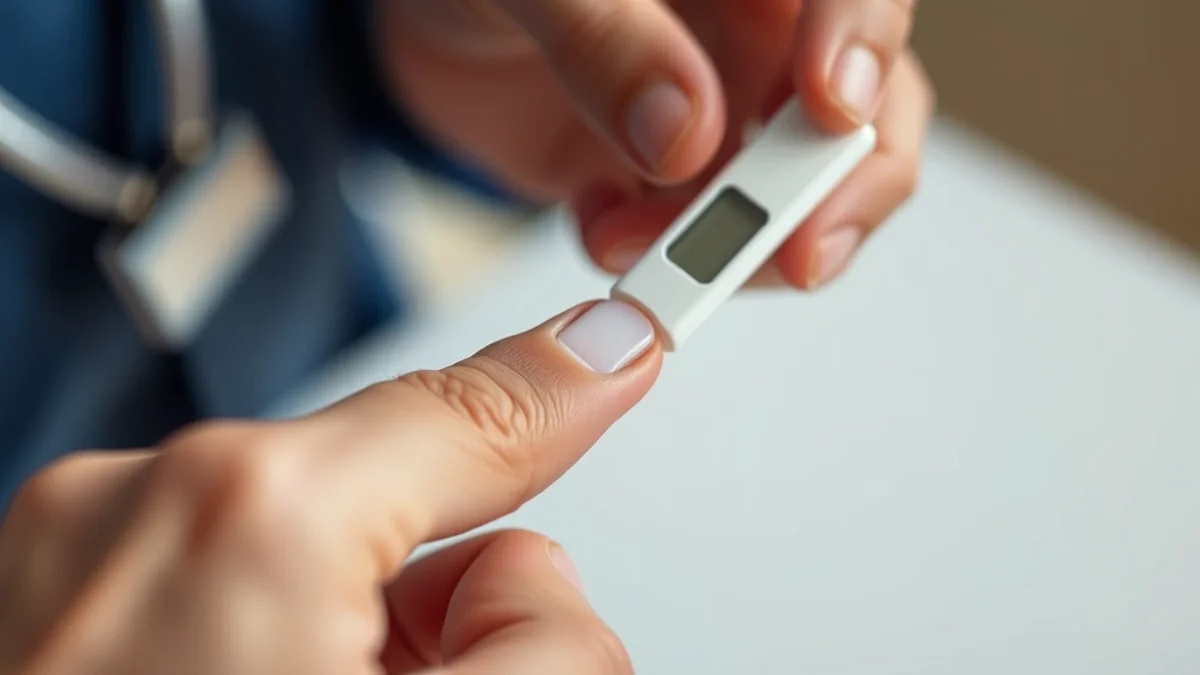
The new technique, similar to that used for glucose monitoring in diabetic patients, involves obtaining a few drops of capillary blood via a finger prick. The samples are dried on a special card and sent to the laboratory to analyze the presence of the p-tau217 biomarker.
“"This approach could facilitate and make the detection of Alzheimer's disease less invasive, and could help expand testing in places where traditional methods are difficult to access."
This experimental method was tested on 337 volunteers recruited across seven European research centers. The results, published in the journal Nature Medicine, confirmed that the p-tau217 levels detected are very similar to those obtained with conventional analyses, achieving 86% reliability.