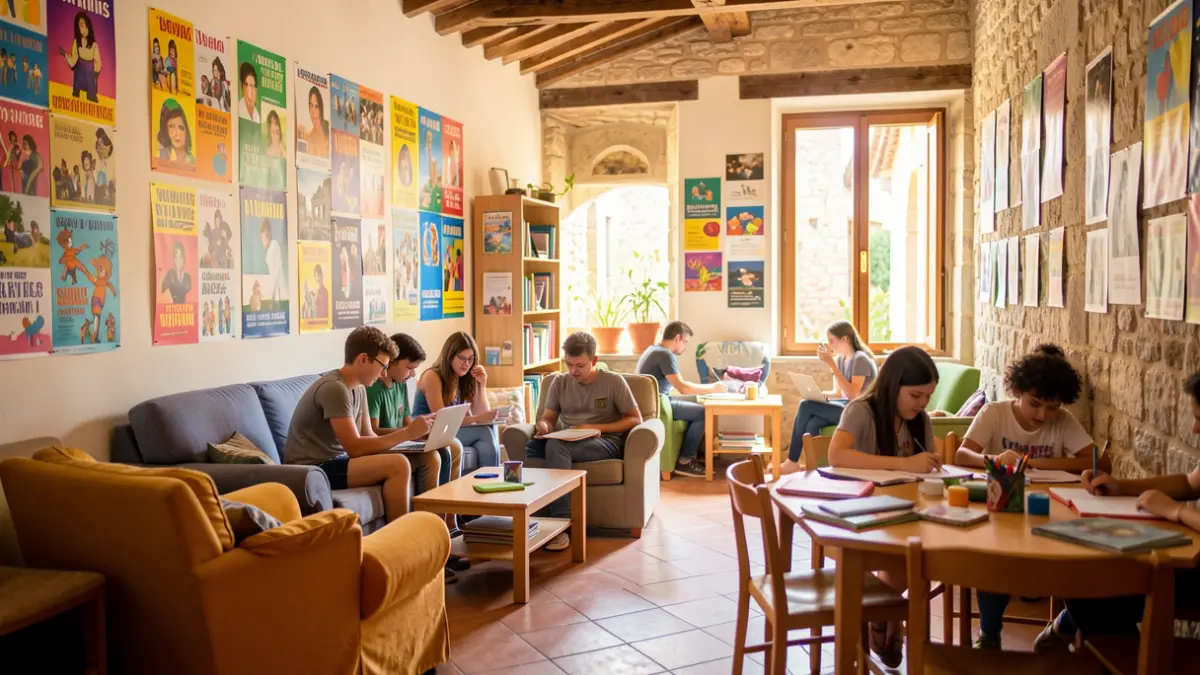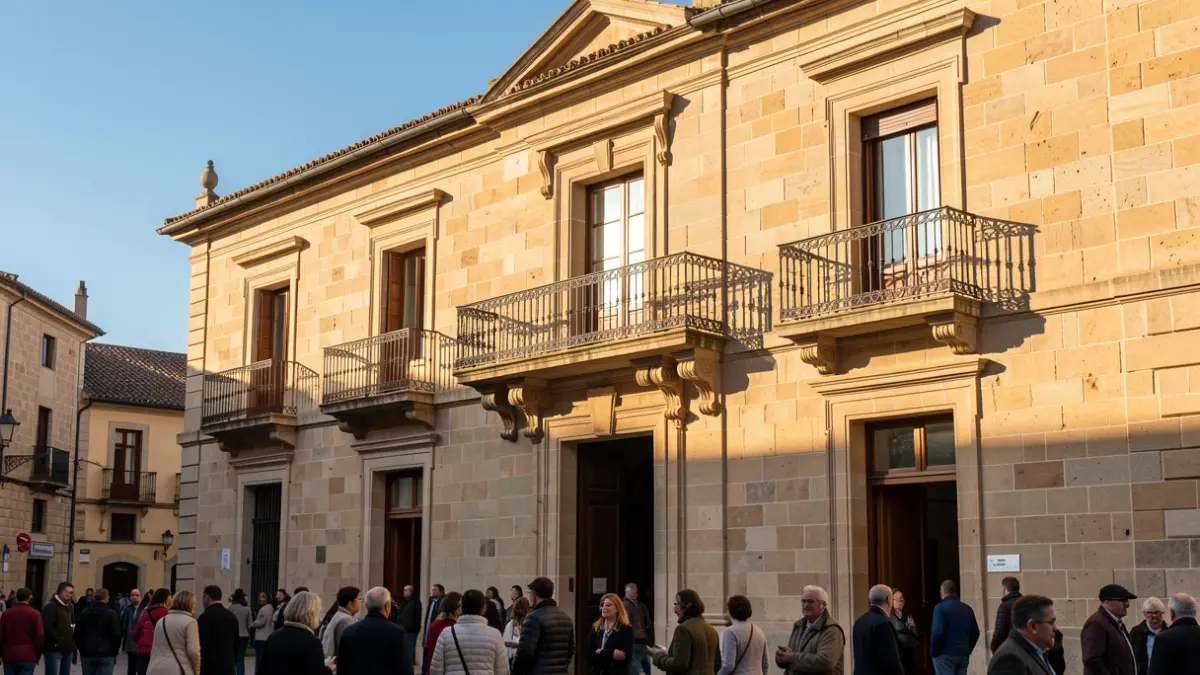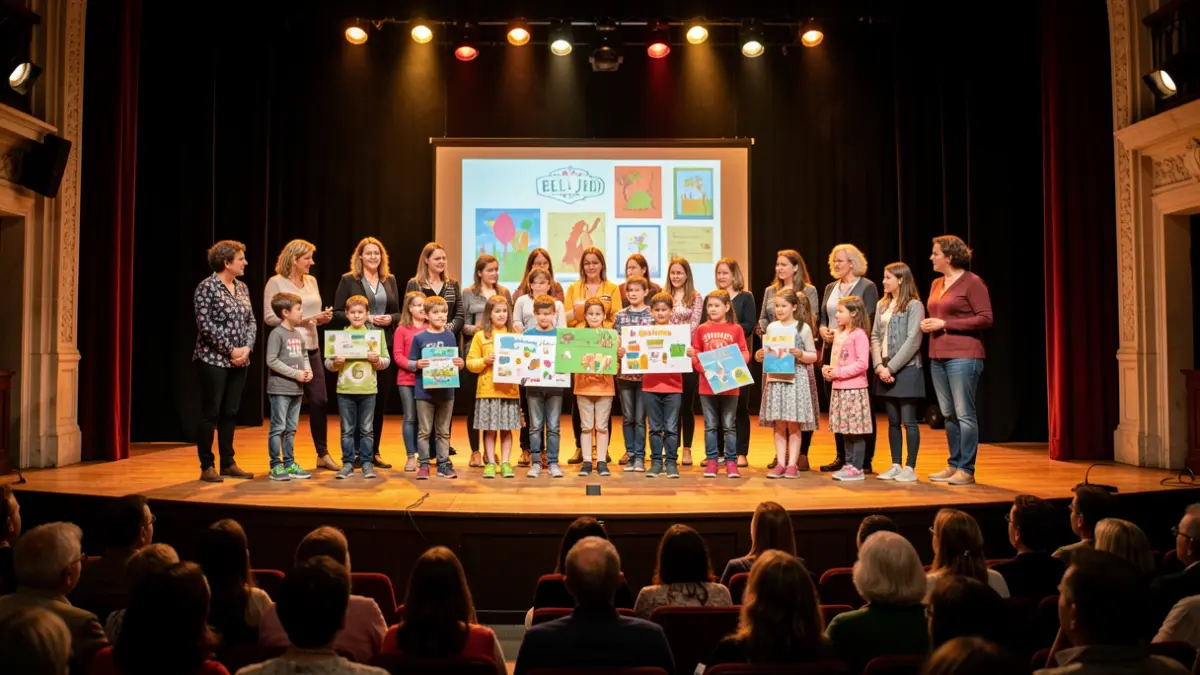
The educational communities of five rural schools in Alt Empordà (Cistella, Garrigàs, Palau de Santa Eulàlia, Pont de Molins, and Vilanant) have culminated their project ‘Origin. A journey into the skin of all that we are’ with a presentation at the Teatre El Jardí in Figueres. The project explored the region's origins, connecting with the ancient Greeks and the landing at Emporion around 2,500 years ago, as well as the deep relationship with the Mediterranean Sea.
The director of ZER Empordà, Maria Antònia Barceló, explains that the project arose from the need to delve into the region after previous work on refuges. The students have explored classical mythology, ancient philosophy, and the etymology of the name 'Empordà', understanding the area as a historical place of cultural exchange. The second phase focused on the sea, with scientific investigations at five key points along the coast of Albera Marítima and Cap de Creus: Platja Petita de Portbou, Arola in Port de la Selva, Farella del Mig and Canyelles in Llançà, and Sant Antoni in Portlligat.
The investigations included taking temperatures, measuring salinity, analyzing plankton, and determining the origin of the sand, with the aim of understanding the sea's health. The conclusions, presented in infographics and posters, were exhibited at rural school days in Cuenca and will be shared regionally in Moianès. Collaboration with the entity SOMMAR from Llançà has allowed exploration of how reconnecting with the sea impacts human health.
As a final outcome, a booklet titled Cinc racons de sal i vida (Five corners of salt and life) has been created, featuring the results, illustrations, and photographs from the coastal investigations. This material will be widely distributed for tourism and health purposes, thanks to a grant from the Girona Provincial Council. Additionally, sensory boxes with sound, visual, tactile, and olfactory references will be developed with the support of the Fundació Salut Empordà to bring the sea closer to those who cannot access it.
The presentation at the Teatre Municipal El Jardí in Figueres transformed the academic content into an artistic expression through verbal, musical, and corporal language. The production involved collaboration with the Campus Escola Festival Castell de Peralada. The event concluded with the singing of ‘L’Empordà’ and the participation of the giants from Roses, the mermaid Demètria, and the shepherd Quimet, symbolizing the region's founding legend.
During the event, a banner of support was displayed for the Les Curculles school in Palau de Santa Eulàlia, ahead of its imminent closure. A manifesto was read, emphasizing the importance of the center, which reopened in 2021 after 50 years. Despite opposition from families, the Rural School Secretariat, and the management team, the Department of Education cites decisions by the municipal government and accumulated deficit, with only two resident students in the village.