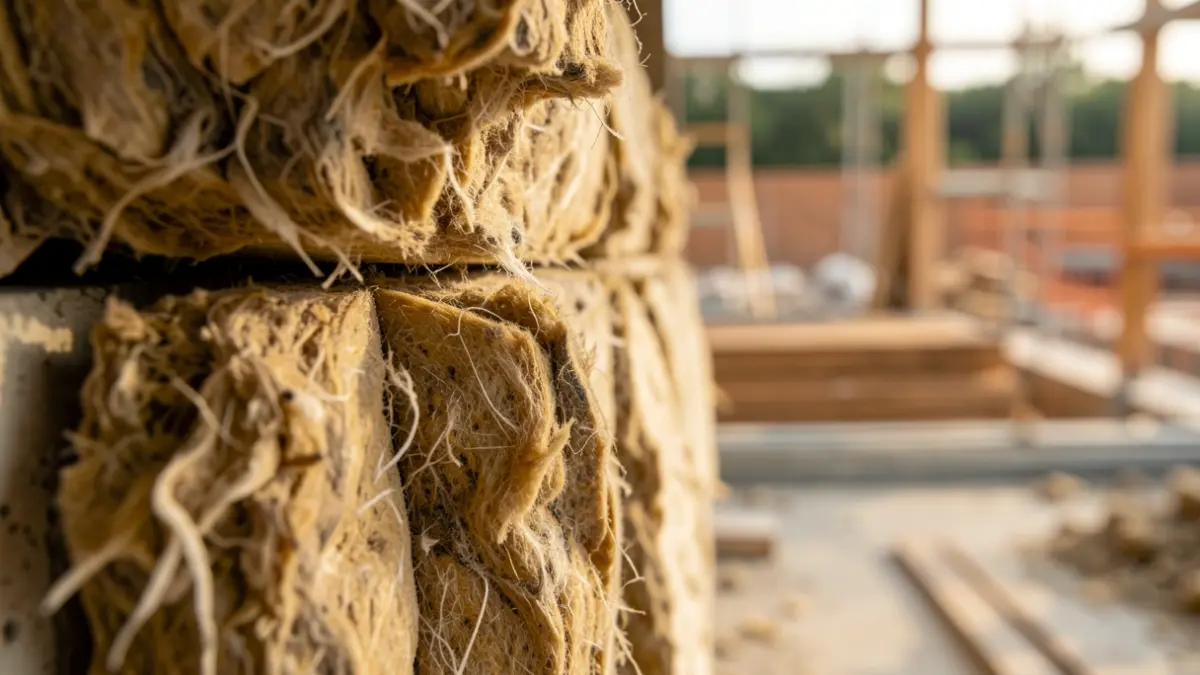
The Catalan chamber has greenlit legislation aimed at ending the presence of this carcinogenic material, described as a "silent pandemic" by specialists like Dr. Josep Tarrés. The law integrates victim compensation, prevention of new cases, and the progressive elimination of asbestos, a substance linked to over 100,000 annual deaths worldwide according to the WHO.
The legislative initiative, which began during the presidency of Pere Aragonès, includes the creation of a Catalan asbestos registry and imposes fines of up to 100,000 euros on property owners who fail to comply with removal orders. The bill passed its final reading in March 2025 without any amendments seeking its return.
“"To drive this law forward, significant economic resources will be needed"
The Federation of Neighborhood Associations of Barcelona, one of the driving entities, calls for a decisive investment to remove the approximately three million tons of asbestos spread throughout Catalonia. Joan Maria Soler, spokesperson for the anti-asbestos commission, emphasizes the need for resources to ensure removal is carried out "under safe conditions".
The deterioration of asbestos makes the population increasingly exposed. Dr. Tarrés warns that "the entire population is exposed" and that the contaminating asbestos is now pervasive, not just in "localized hotspots." Many older buildings still contain this material past its useful life, releasing dangerous particles into the environment.
Former workers from the Macosa-Alstom plant in Barcelona were pioneers in collective complaints. Around forty of them have died from inhaling asbestos, which was used as "masks" in the factory. Despite the WHO declaring it a carcinogen in 1977, it wasn't banned in Spain until 2002. In 2017, they gathered over 10,000 signatures, which have now culminated in this law, though they lament the "terribly high" price paid in human lives.