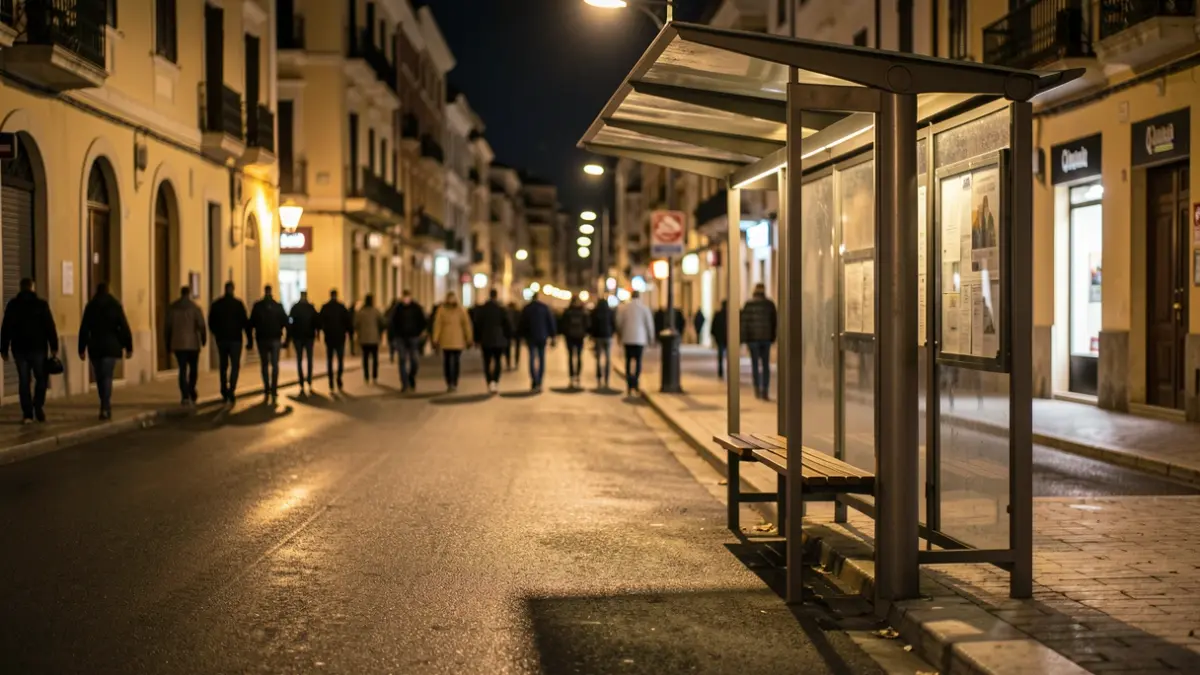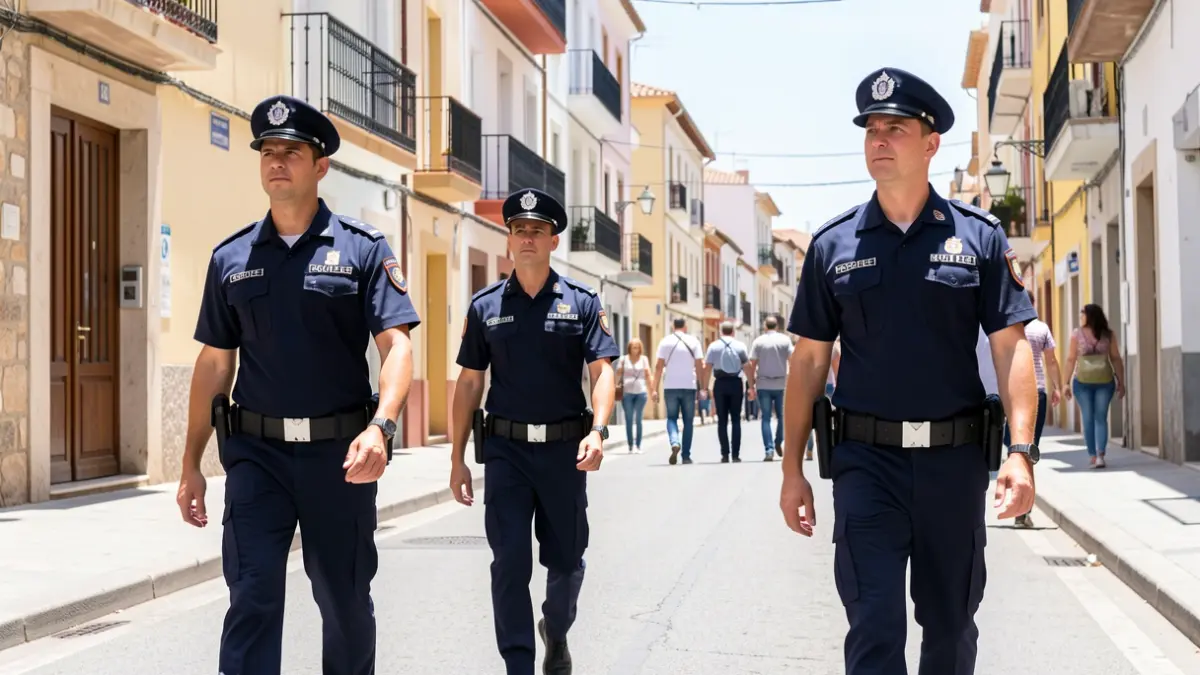
With the aim of guaranteeing safety and preventing crime in public spaces, the Mossos d'Esquadra have initiated their comprehensive summer plan. This initiative seeks to bolster citizen protection in response to increased mobility, tourist activity, and the staging of large-scale events throughout Catalonia. The addition of 1,300 new officers, who will soon complete their training, will strengthen the citizen security units patrolling the streets.
From August onwards, the Mossos will have 13,201 officers dedicated to citizen security, a substantial increase from the 11,826 officers in this specialty in May 2026. This enhanced capacity is intended to improve prevention and response times to emergencies. Furthermore, trainees aiming for promotion to sergeant and corporal will be assigned to the 93 Catalan police stations, and officers trained in public order will support territorial units. This reinforcement model is already in place in tourist hotspots such as Salou, Lloret de Mar, Blanes, and Barcelona.
The summer plan includes the redeployment of 82 officers to coastal police stations, where the population significantly increases during the summer months. These assignments cover la Bisbal, Sant Feliu de Guíxols, Roses, Blanes, Pineda, Sitges, Castelldefels, and Salou-Vila-seca. Additionally, €800,000 has been allocated for overtime to manage specific workload peaks.
The Minister of the Interior, Núria Parlon, and the Director General of the Police, Josep Lluís Trapero, have unveiled the 'Helios' plan, which will enhance security until September in coastal, inland, and mountain areas. The plan encompasses specific actions in locations with high summer population density, including combating persistent crime, detecting weapons, ensuring maritime safety, preventing sexual violence, road safety, and protecting natural spaces. Controls in nightlife venues and local festivals will also be intensified.
Parlon emphasized that the plan aims to solidify the positive trend in security indicators throughout the summer, promoting a model based on prevention, community policing, and territorial presence. She noted the decrease in property crime and repeat offenses, stressing the importance of maintaining this effort despite the summer increase in population and activity. Currently, the Mossos have approximately 21,000 officers, moving towards the goal of 25,000 by 2030.
Trapero outlined the plan's four pillars: citizen security, reinforcement of command centers, increased traffic personnel, and more officers for prison transfers. These measures are designed to better combat repeat offending, weapon detection, and sexual violence.
The plan also incorporates anti-terrorism measures for mass events and transport infrastructure, involving uniformed and plainclothes patrols, and coordination with local police forces. For the first time, the 'Kanpai Pista' Plan will be deployed to prevent crimes on highways and service areas, focusing on distraction thefts and truck hijackings. Crimes on Catalan highways and motorways saw a 50.5% reduction in the first half of 2026 compared to the previous year.
Preventive checks for reckless driving will be conducted, particularly on the AP-7 motorway, by traffic officers, aiming to reduce risky behaviors for both motorcyclists and other drivers.