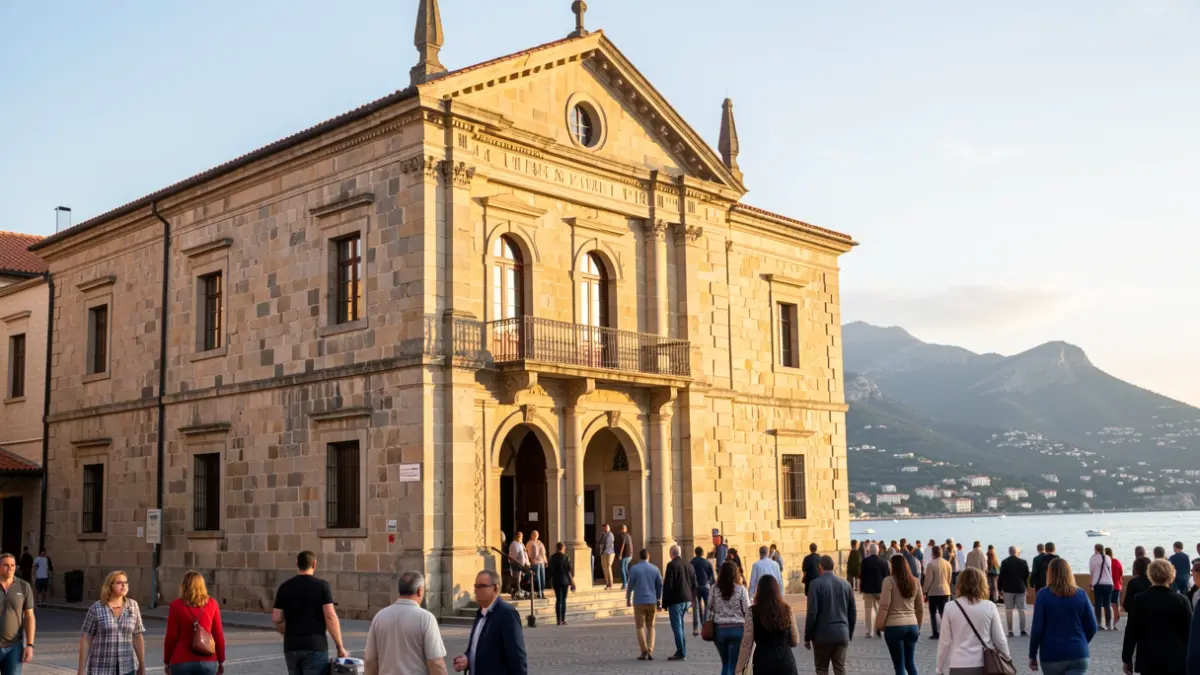
The municipality of Portbou has secured funding for the new Walter Benjamin Memorial Space, a cultural facility dedicated to the historical memory, exile, and legacy of the German philosopher Walter Benjamin, who died in the town in 1940 while fleeing the Nazi regime.
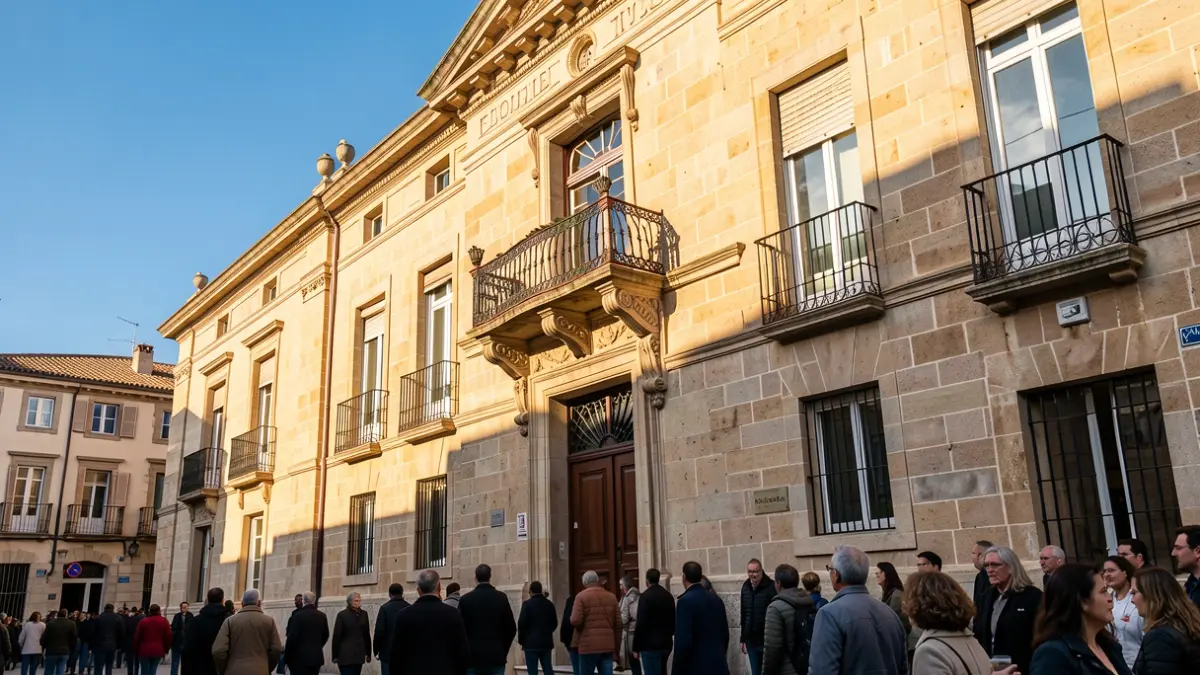
The center will be located in the former municipal building and old schools, spaces that have been disused since the 1980s. The renovation and expansion of these facilities will involve an investment of 4.25 million euros, a budget allocation included in the Generalitat de Catalunya's accounts approved last July. This figure represents the largest allocation to a town council in these budgets, framed within measures for cooperation with the local sphere.
According to the mayor of Portbou, Gael Rodríguez Garrido, the project will transform the space into a three-story facility. It will include a specialized library and the so-called "Alberg de la Memòria" (Memory Hostel), designed to host students and researchers interested in applying Benjamin's theory to the current context. The mayor highlighted the project's relevance amid the rise of totalitarianism and the erosion of rights in various nations.
“"We don't just want a museum or a library, but a living place to harness Benjamin's legacy and build a more dignified world."
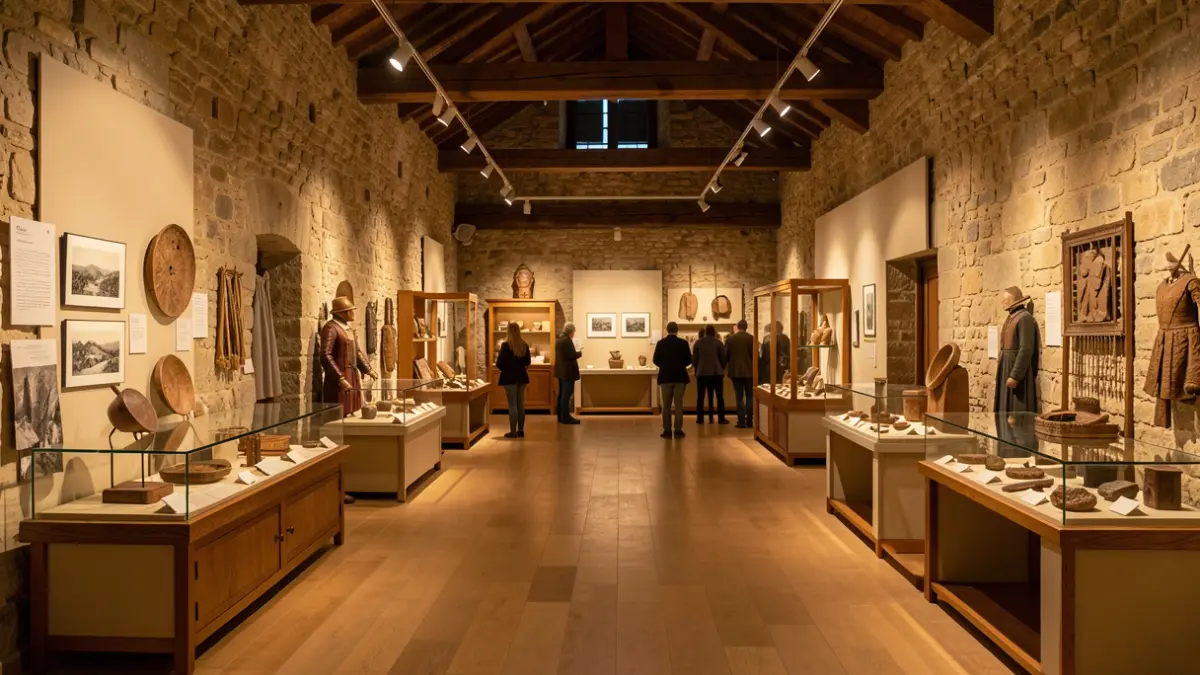
The ground floor of the facility will house a museum delving into Benjamin's life, Portbou's historical role as a border crossing, and the various exiles that have shaped European and Catalan history. It will also feature information about the Memorial Passatges, by artist Dani Karavan, and aim to recover the collective memory of all those who crossed the border in both directions.
Rodríguez Garrido recalled that Benjamin is a symbol, but just one example among many who ended up in Portbou during dark times in the 20th century. He mentioned other notable figures who passed through the Alt Empordà region, such as Antonio Machado, Clara Campoamor, and Hannah Arendt, as well as many anonymous individuals who deserve to be honored to prevent suffering from recurring.
For Maximiliano Fuentes, director of the Walter Benjamin Chair, Memory and Exile at the Universitat de Girona, the project's value lies in its ability to apply Benjamin's legacy to interpret contemporary issues.
“"He reflected on absolutely central themes today, such as violence, memory, the media... or what we do with traumatic pasts, victims, and their role."
Fuentes indicated that the center's work lines will address issues such as historical memory, disinformation, artificial intelligence, hate speech, and the rise of radical right-wing movements. He believes this approach is crucial for understanding not only events like the Holocaust or 20th-century dictatorships but also current migratory movements and the often hostile reception faced by refugees.