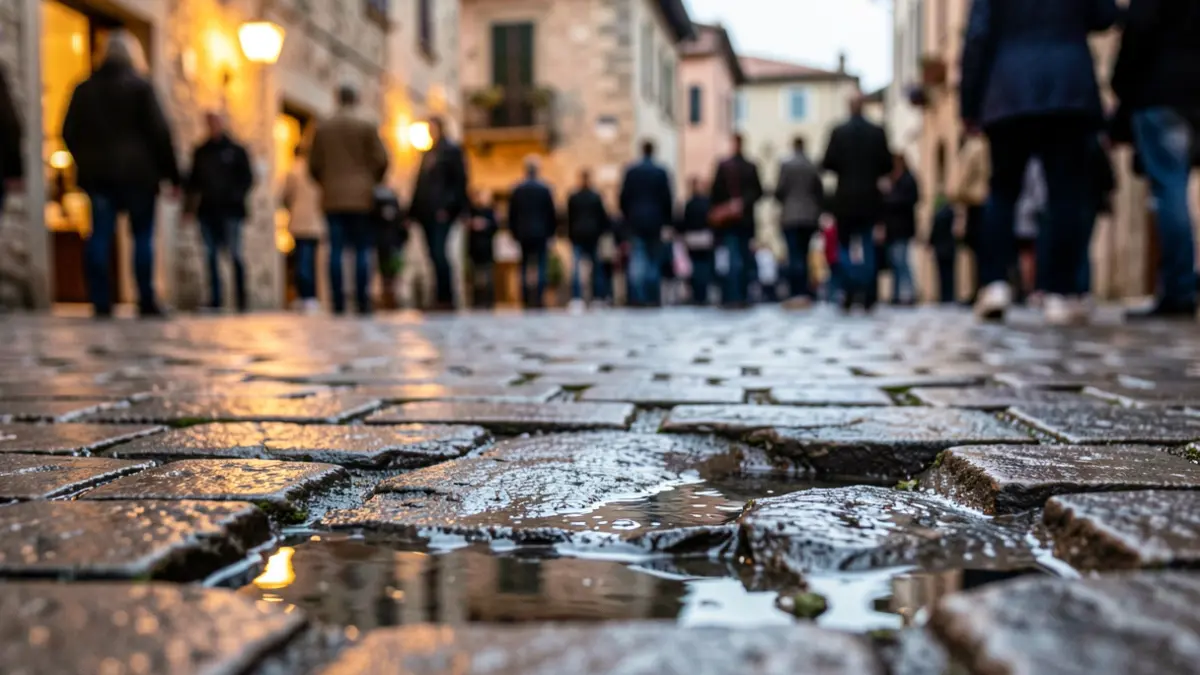
The neighborhood outcry over the poor condition of Perpinyà Avenue in Figueres remains strong. Residents and regular users of this key city artery report the constant presence of potholes and uneven surfaces, lamenting that the repairs carried out so far are temporary and do not address the root problem.
The Urban Maintenance area of the City Council has carried out specific actions to mitigate the most evident damage, but the deterioration of the pavement, especially the cobblestones, is a problem that has persisted for years. Councilor Carme Martínez explained that they are working in three phases: a first to fill immediate holes, a second for minor maintenance contracts in specific areas, and a third, already with municipal technicians, to design a definitive solution that improves the pavement while respecting the street's historical significance.
Residents like Marcel Martín point out that the neighborhood has been waiting "more than 15 years" for real investment, describing the situation as "absolute abandonment." They demand continuous intervention from the Motel to Fruites Hurtós to prevent the stretch from being "impassable" and causing vehicle damage. Similarly, Anna Rodríguez warns that repairs "only last a few days" and urges consideration of the traffic volume on this vital route for city mobility, including access to the Hospital.
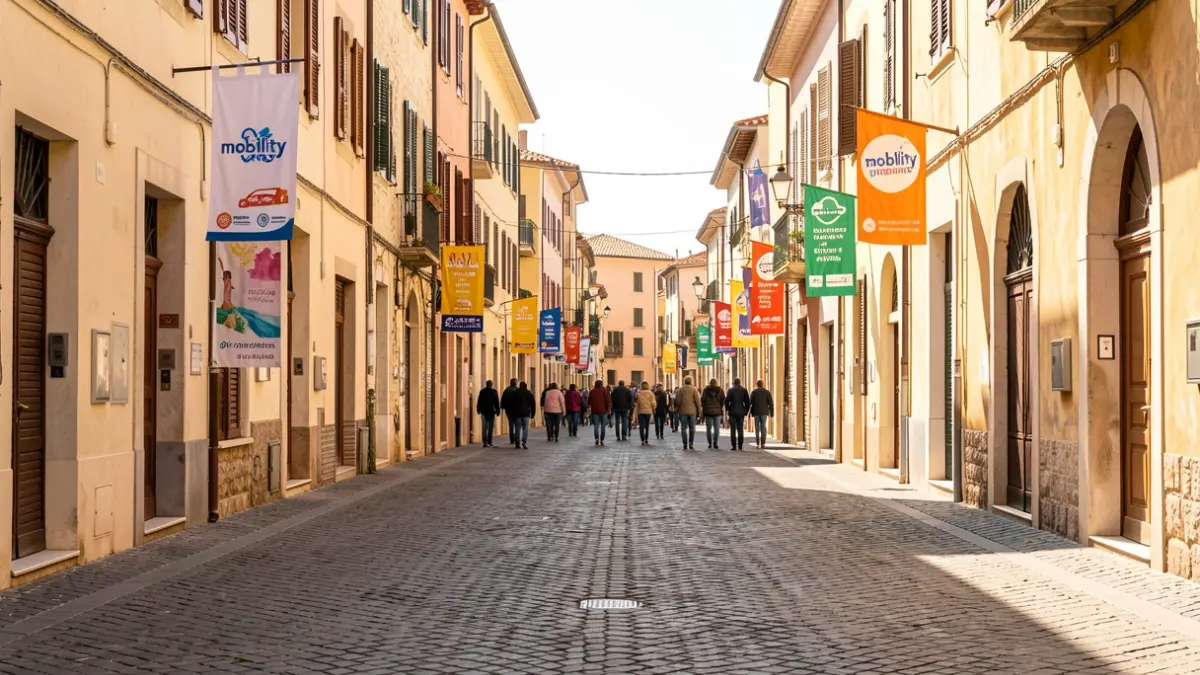
The residents' demand also highlights a perceived inequality in municipal investments, contrasting improvements in central areas with the lack of a structural response on Perpinyà Avenue. This avenue, which handles heavy traffic including tourist buses and vehicles heading to the Garrigal parking lot, has cobblestones that are particularly worn. It is recalled that the City Council has demonstrated the ability to quickly replace cobblestones elsewhere, such as at the intersection of La Rambla and the climb to El Castell.
The complexity of the cobblestones, described by Carme Martínez as a "great puzzle" where moving one piece affects others, complicates repairs on such a large surface. This situation opens a debate about the future of the pavement, which combines heritage, urban planning, and mobility criteria, and is part of the city's traditional image since the era of the main road.
Residents are asking that the debate on preserving the cobblestones as a historical element does not delay the necessary comprehensive investment to end recurring damage and adapt the avenue to its actual use. The demand is for the avenue to stop functioning "patch by patch" and receive an intervention that ensures safety and accessibility.