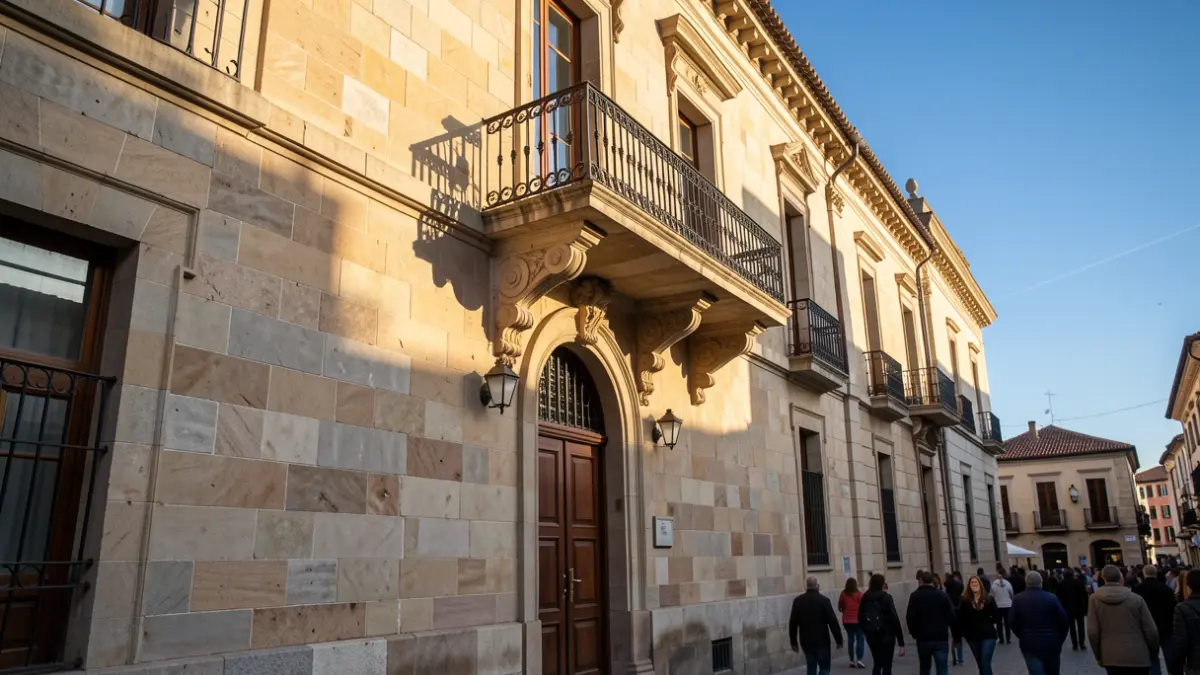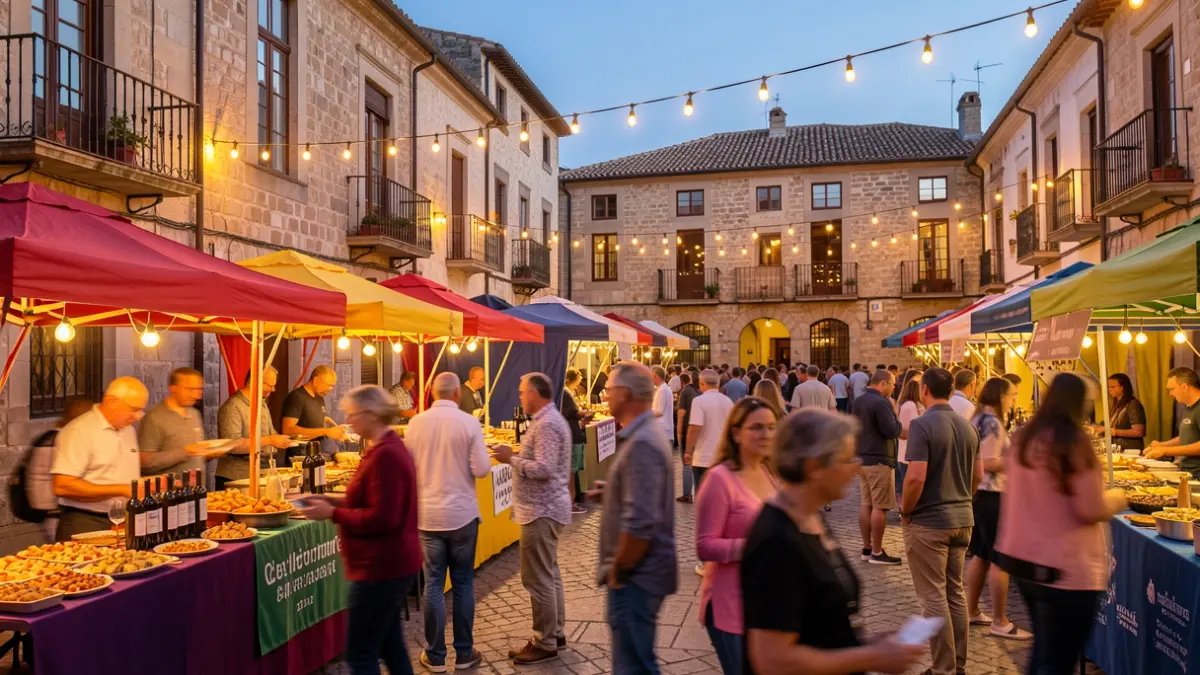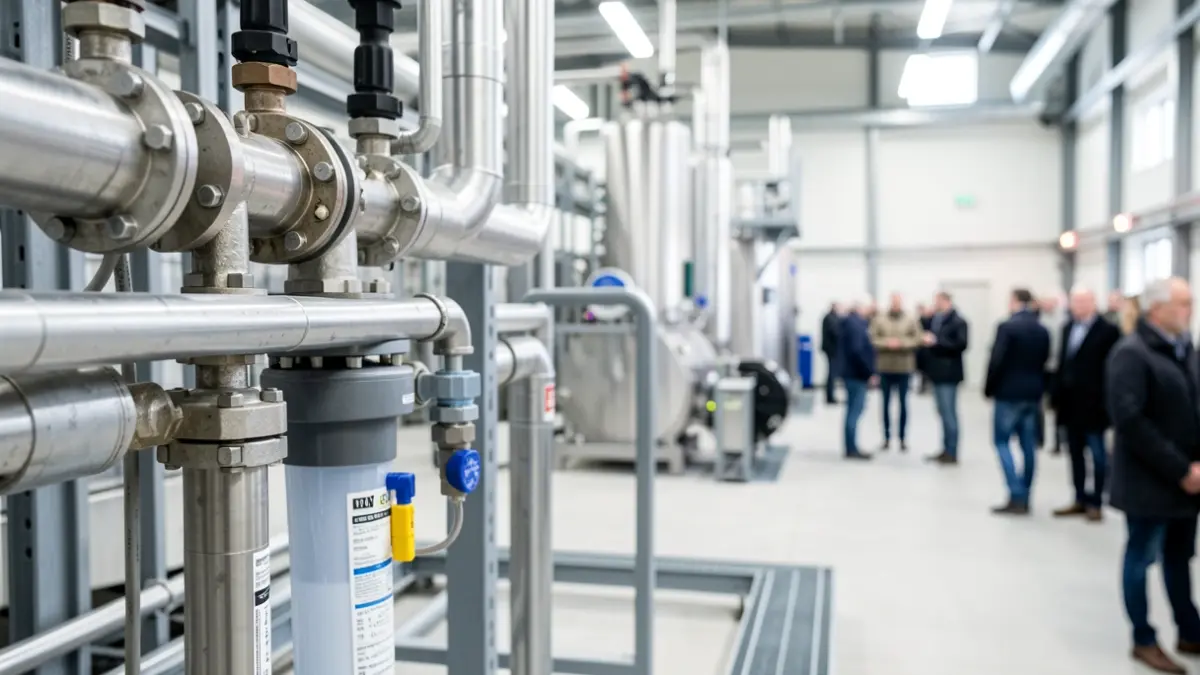
The city of Granollers hosted in late May the second participatory meeting of the Local Circular Water Program (PLAC). This initiative is part of the European project TARGET – Territorial Strategy for Water Scarcity. The session, held at Can Jonch, brought together about twenty participants, including representatives from municipal technical services, the Consorci Besòs Tordera, the ACA, and the Barcelona Provincial Council, among others.
The main objective of the workshop was to debate and validate the strategic lines, specific actions, and execution calendar of the PLAC. The meeting was attended by managers and technicians from municipal and supramunicipal administrations, as well as universities and companies specializing in the water cycle.
The PLAC is being developed with the aim of shaping one of the key objectives of the TARGET project: the creation of a shared territorial strategy to address water scarcity management in southwestern Europe. The resulting document defines the work pathways to promote the use of so-called non-conventional waters in Granollers, such as regenerated and phreatic water, under the concept of "Circular Water," a term that emerged from the participatory process itself.
The PLAC development process began with a first workshop of the TARGET project on March 20, also at Can Jonch, where the strategic foundations and initial actions of the program were established.
Among the planned actions within the PLAC are the improvement of the Water Regeneration Station (ERA) at Can Cabanyes, which will include the expansion of the filtration system, and the extension of the regenerated water network throughout the urban area. The latter will be used to irrigate the green areas of the Connecta Congost Natura 2025 project and for the renovation of Avinguda Sant Esteve.