The meeting of the council of mayors of Alt Urgell, held yesterday, marked the starting point for unifying drinking water management in the region. The primary goal is to improve the efficiency and economic viability of the service, which currently shows significant heterogeneity among the 19 municipalities that make up the area.
A study conducted by the Environment department of the regional body revealed that only four municipalities in Alt Urgell have an economically sustainable water management model. The remaining fifteen municipalities require a review of their current system. Of these, fifteen manage the service directly, three through a concession to a private company, and one uses a mixed model.
Regarding billing, the study details that six municipalities apply a fixed annual fee ranging from 21 to 110 euros. Nine municipalities charge based on actual consumption, with four of them having a single price and five with differentiated tiers. Surprisingly, three municipalities in Alt Urgell still do not charge their residents for drinking water consumption.
“"We see that it is very difficult to go from 0 to 100, considering that we start from a very unequal situation."
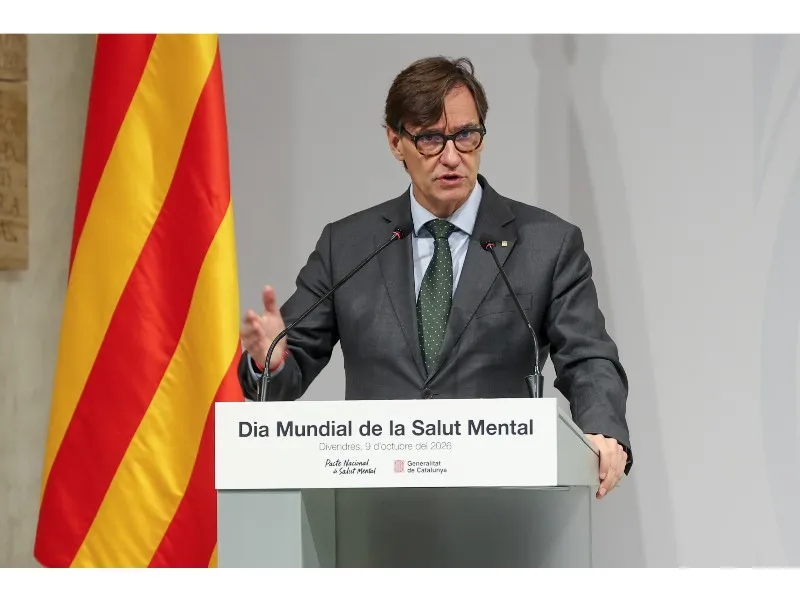
The president of the Alt Urgell Regional Council, Josefina Lladós, emphasized the difficulty of rapidly implementing a supra-municipal model due to existing "disparity." She advocated for the "professionalization" of management to achieve greater efficiency. More than half of the municipalities are in favor of full joint management, while the rest prefer partial collaboration. As a first step, it is proposed that the regional body take charge of monitoring analyses and purchasing chlorine.
During the same session, the director of the Municipalist Foundation for Territorial Impulse (FMIT) of the Catalan Association of Municipalities, Agustí Serra, presented a new advisory service for urban planning and territorial organization initiatives. This proposal, in collaboration with the Diputació, will offer weekly sessions with architects and urban planners from the FMIT for technicians and mayors. The deficit in sanitation was also addressed, with an agreement to resume talks with the Catalan Water Agency (ACA) to plan actions until 2033.